

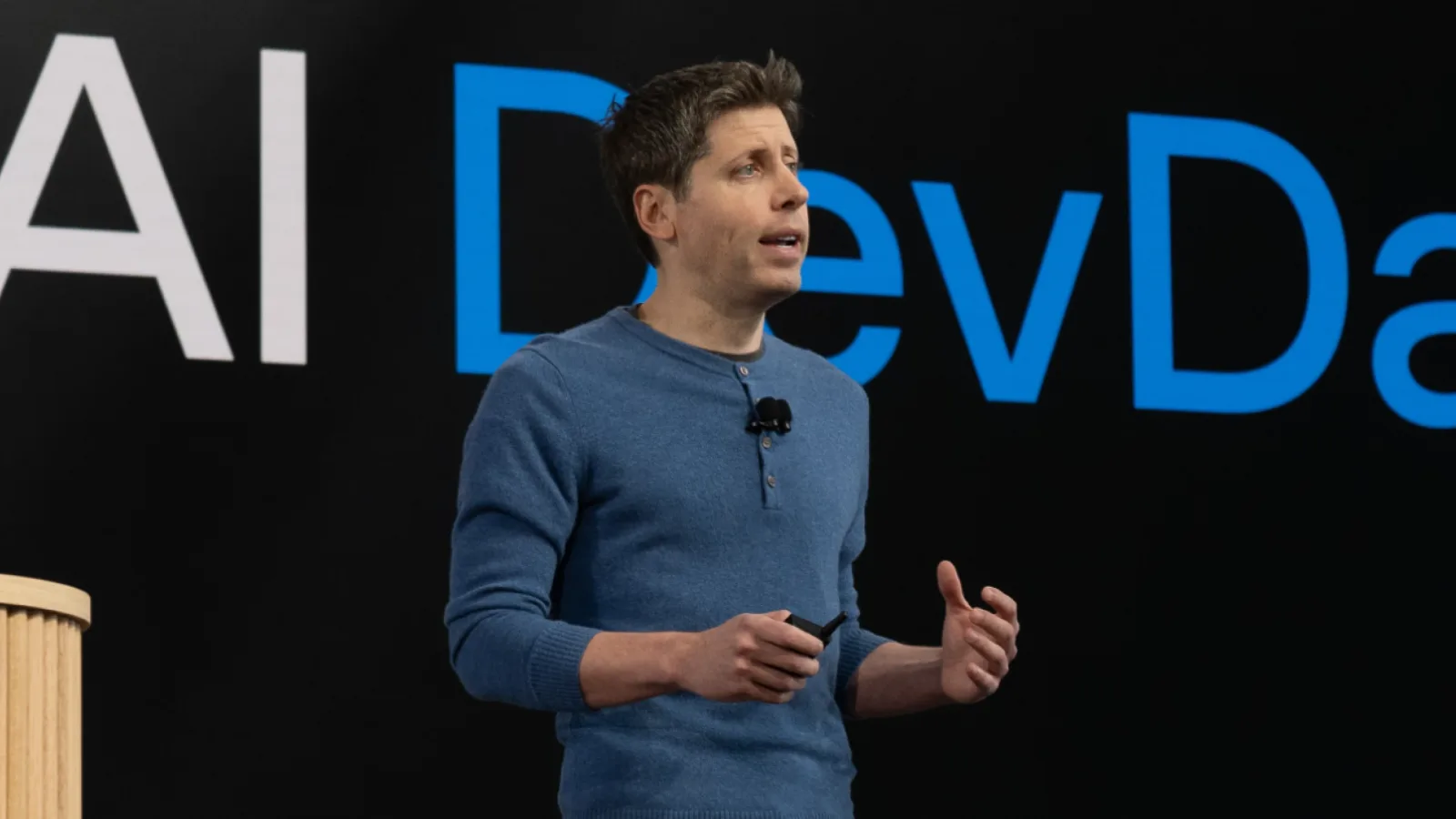
Sam Altman, CEO of OpenAI, has proposed the establishment of a US-led international forum that would develop and enforce global safety standards for artificial intelligence. He argues that no single nation should dominate AI development and called for a collaborative approach involving governments, technical experts, and other stakeholders to oversee the technology’s growth.
In an opinion piece published in the Financial Times, Altman outlined a vision for this forum to function as a neutral governance entity, tasked with providing expert evaluation of AI capabilities and risks while promoting responsible access for countries and companies adhering to its rules. Drawing parallels with established international bodies such as the International Atomic Energy Agency (IAEA) and aviation safety regulators, he emphasized that shared oversight has successfully managed other high-risk technologies despite geopolitical rivalry.

Altman’s proposal also addresses the equitable distribution of AI benefits, stressing that everyone globally should have the opportunity to benefit from and guide AI usage. This call follows discussions at a recent Group of Seven summit where OpenAI, Anthropic, and Google DeepMind executives met with world leaders to explore common AI standards, a concept credited to Altman during those talks.
However, enforcing such standards poses significant challenges. Unlike nuclear plants or aircraft, AI models are developed inside data centers lacking external transparency, complicating verification efforts. This opacity raises concerns about whether organizations might secretly rush AI development, bypassing agreements.
Altman is part of a broader push within the AI community for oversight. Alongside OpenAI, Anthropic has also supported international monitoring. Anthropic’s CEO, Dario Amodei, advocates for regulatory frameworks resembling those of the Federal Aviation Administration, which uses more prescriptive regulations than Altman’s proposed standards-oriented forum.
The impetus for these calls arrives amid stricter governmental controls over AI technology. OpenAI plans to release its forthcoming GPT-5.6 model first to a cohort approved by the US government, while Anthropic briefly withdrew some AI models after export restrictions, later reinstating them.
The success of Altman’s proposal may hinge less on AI companies and more on government willpower. Analysts from the Brookings Institution have suggested that the Group of Seven nations should embrace industry collaboration on AI standards — provided those agreements include enforceable measures to ensure compliance.