

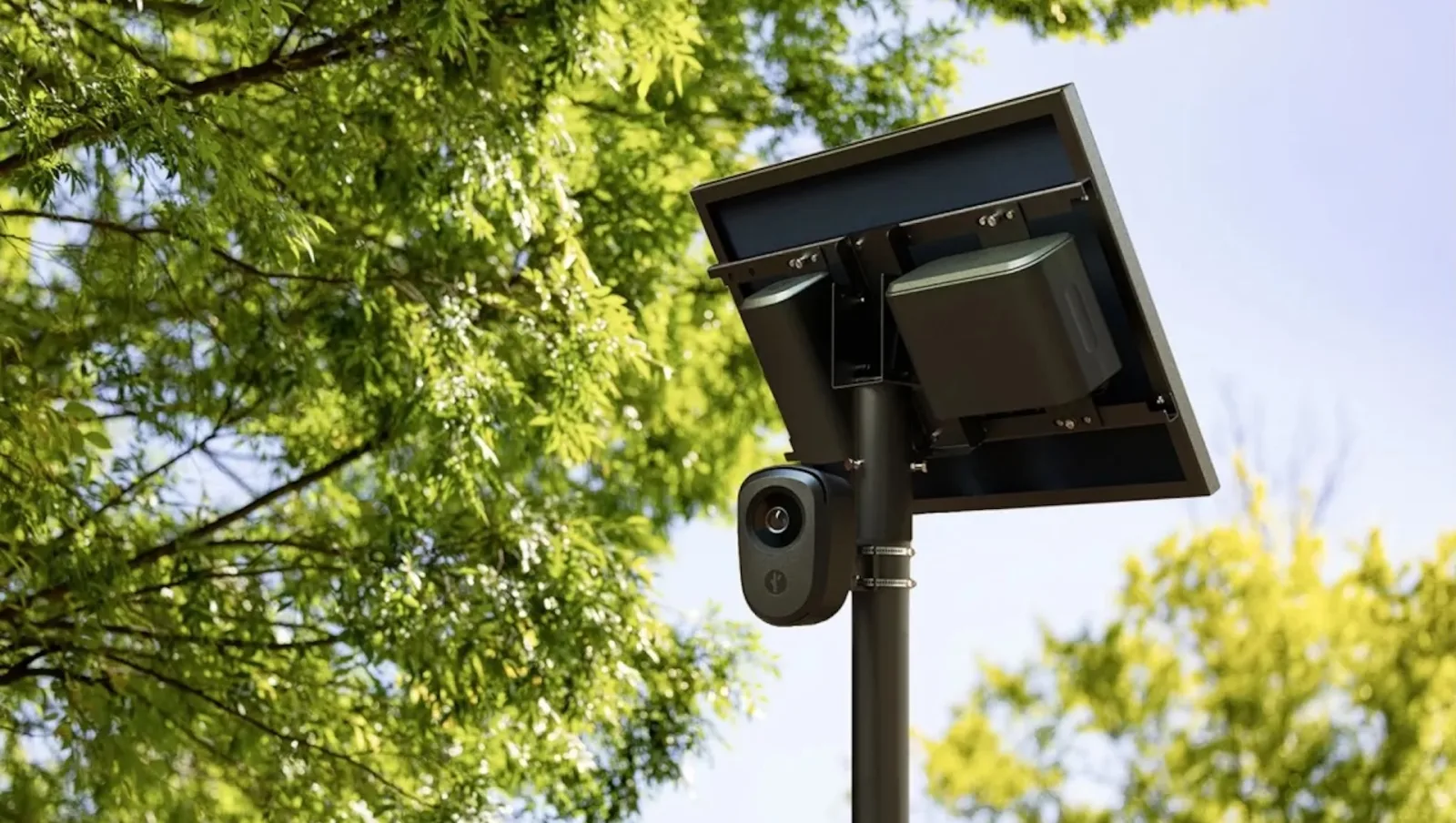
Authorities in Massachusetts have launched an investigation after a Flock traffic-surveillance camera, installed to monitor vehicle activity, was vandalized. The incident drew attention not only because of the damage but also due to growing concerns about the use of artificial intelligence in policing applications.
The disabled camera, which was expected to capture real-time data on passing cars for public safety purposes, instead became a focal point of community controversy. Residents and local advocates have expressed unease over AI-based surveillance, voicing worries about privacy, data security, and transparency.

The Flock camera system employs automated technologies to scan license plates and analyze traffic patterns, tools increasingly adopted by municipalities aiming to enhance law enforcement capabilities. However, critics argue these devices can lead to disproportionate monitoring and lack sufficient oversight.
In response to the damage, police officials confirmed that a formal inquiry is underway to identify those responsible for vandalizing the camera. The investigation also aims to clarify the extent of the damage and how the disruption might affect local traffic monitoring efforts.
This episode comes amid broader debates statewide and nationwide regarding the deployment of AI-powered surveillance across public spaces. Some civil rights groups advocate for stricter regulations or moratoriums on such technologies, citing potential misuse and erosion of civil liberties.
As communities grapple with the balance between public safety and individual rights, the vandalized device in Massachusetts has become a tangible example of the tensions driving policy discussions about AI in policing.