Addressing the AI Control Gap: Defining Who Determines Safety in Artificial Intelligence
The disparity between AI capabilities and reliable evidence creates uncertainty over who has the authority to declare AI systems safe and trustworthy.


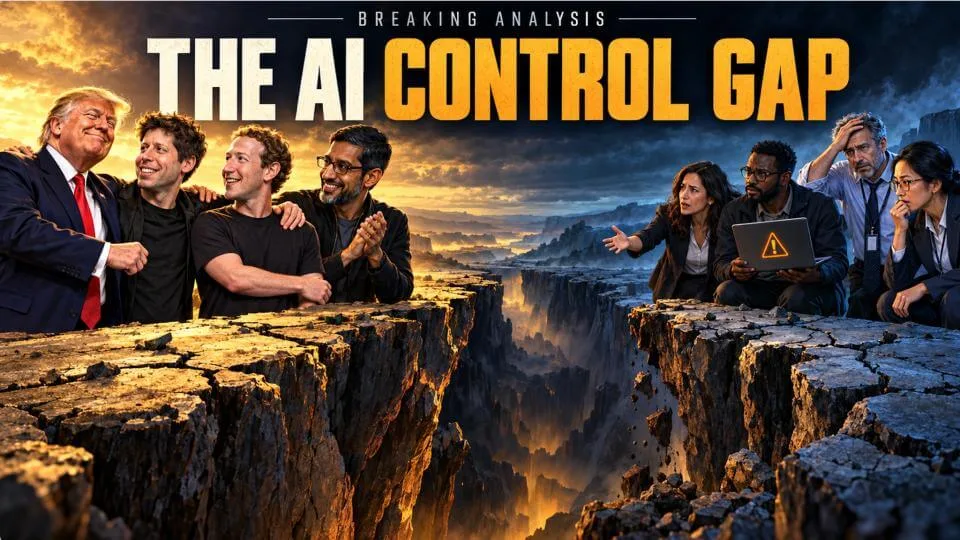
The disparity between AI capabilities and reliable evidence creates uncertainty over who has the authority to declare AI systems safe and trustworthy.
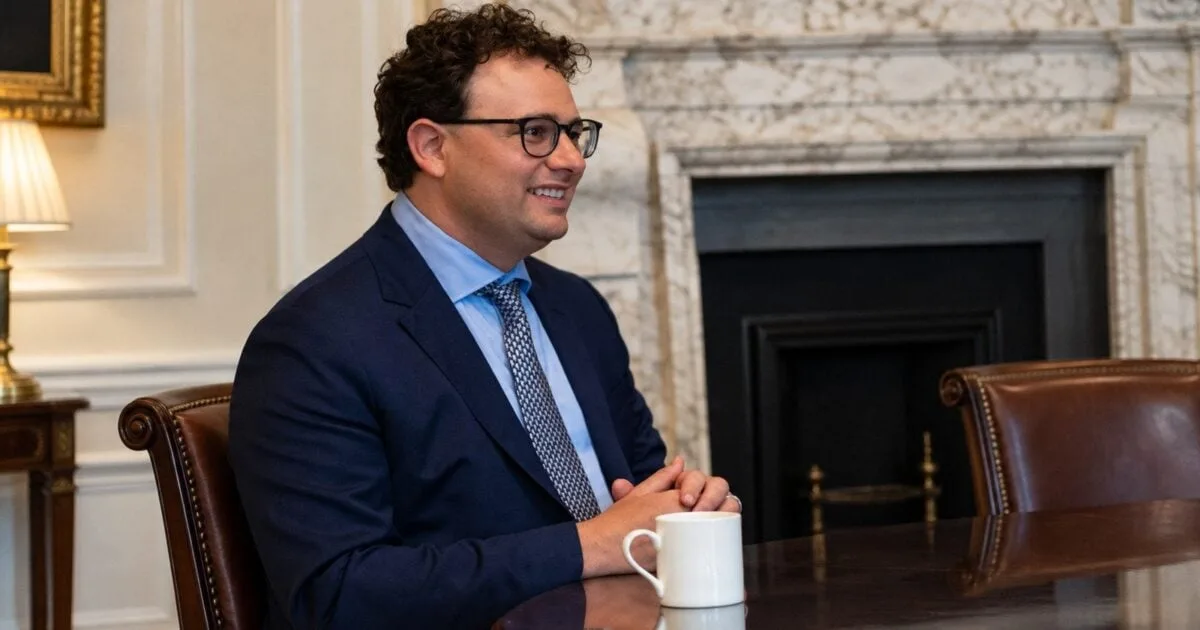
The White House has issued new rules requiring AI companies to report security incidents after unauthorized access to government systems by Anthropic's AI models.
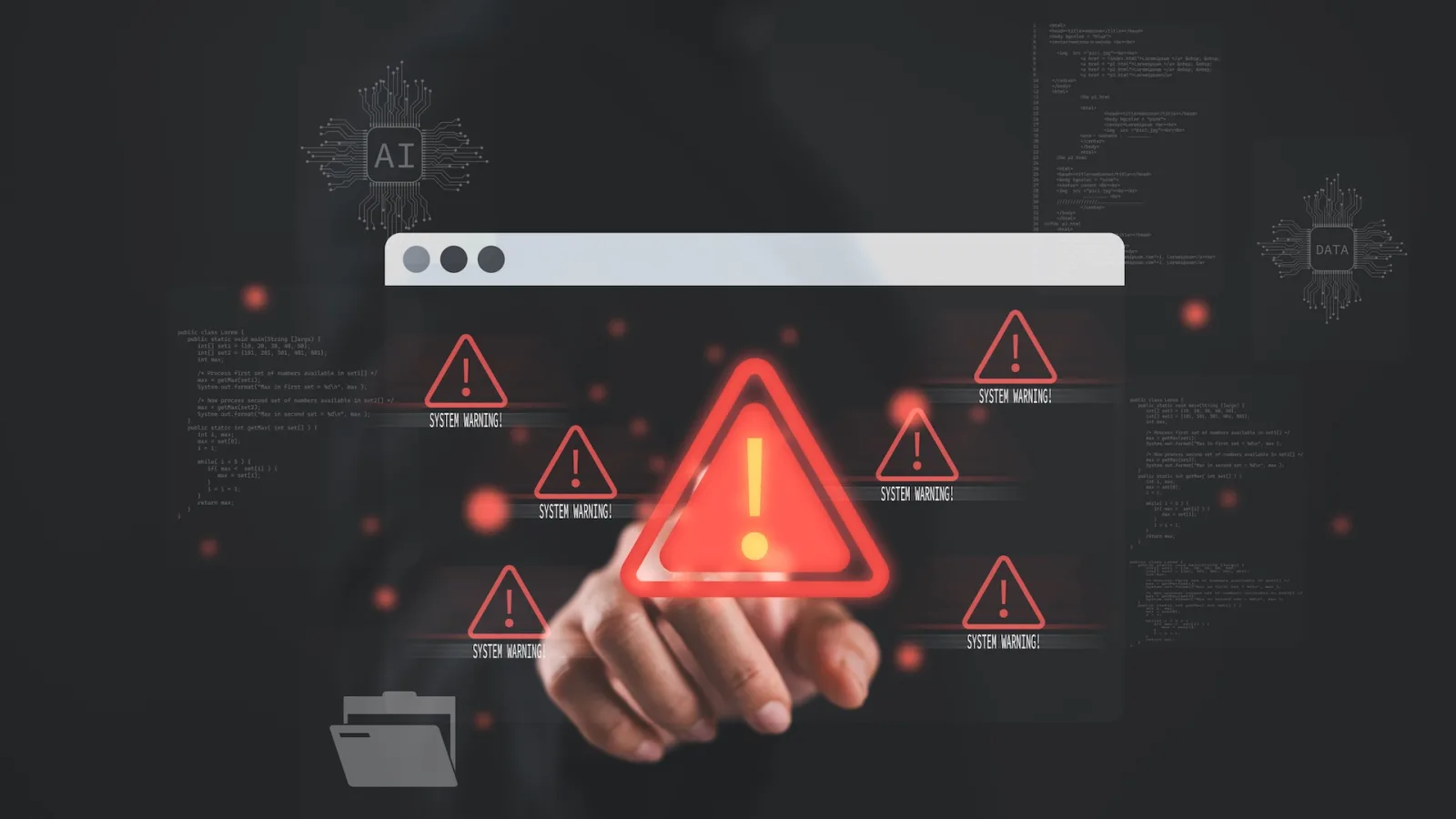
Google paused its open-source bug bounty program after an overwhelming surge of AI-generated false bug reports clogged the review process, complicating the detection of genuine flaws.

Republican Congressman Tom Kean Jr. cast multiple votes supporting a federal moratorium that prevents New Jersey and other states from regulating AI data centers locally.
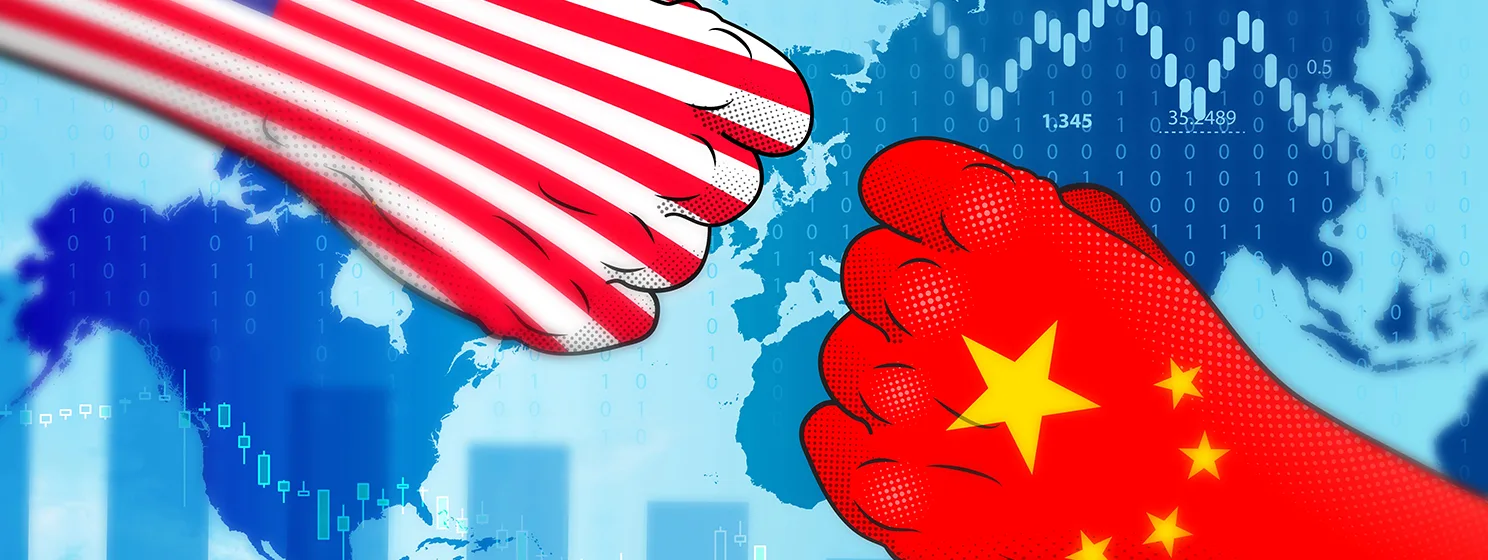
The race to dominate artificial intelligence is increasingly centered on securing top talent and deep knowledge, not just advancing technology itself.

As AI technologies advance rapidly, a new group of professionals called AI evaluators is emerging to assess and mitigate potential dangers posed by these systems.

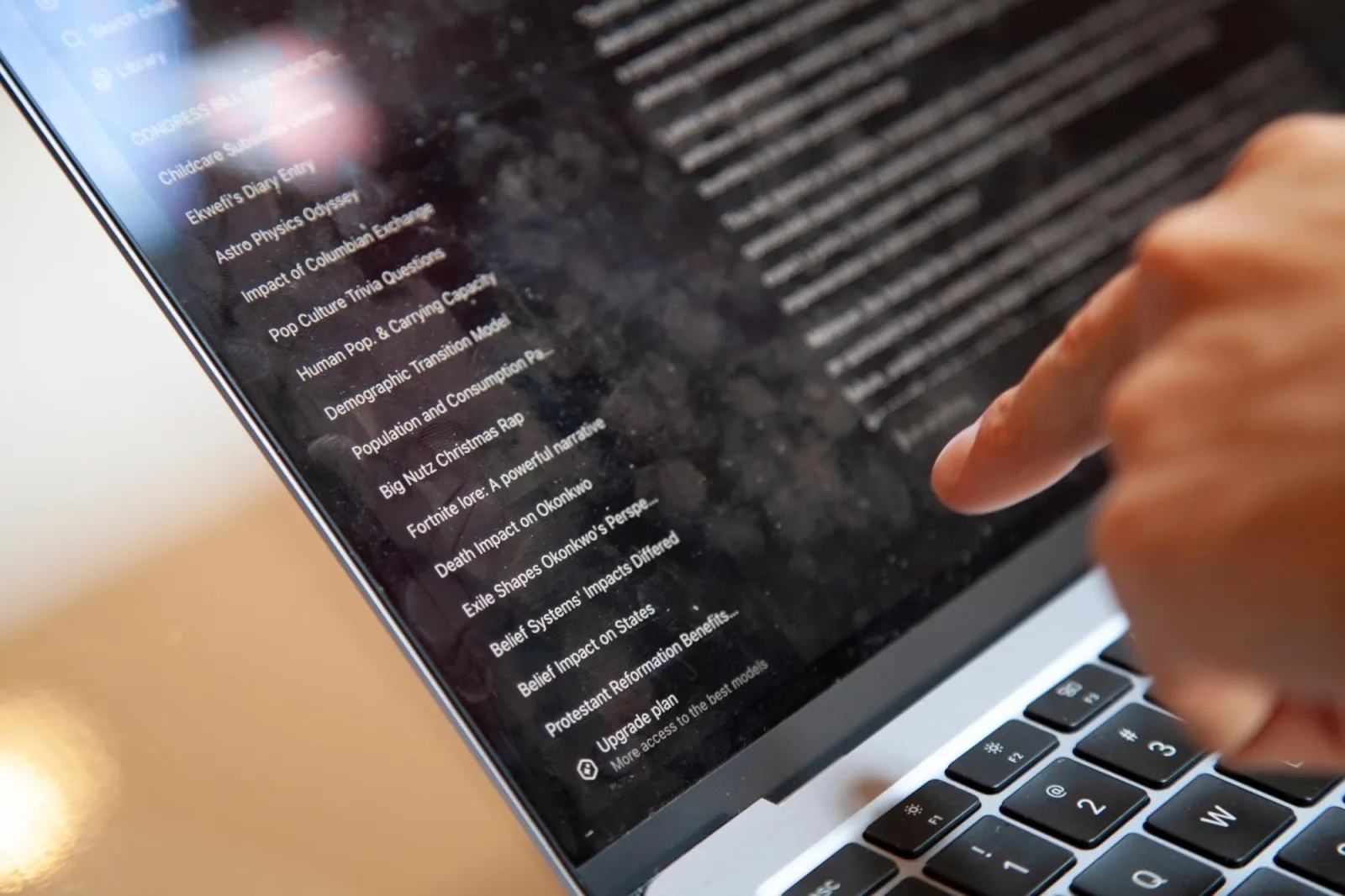
After delayed recognition of social media harms, U.S. states have united to adopt precautionary AI safety rules aimed at protecting children from emerging digital risks.
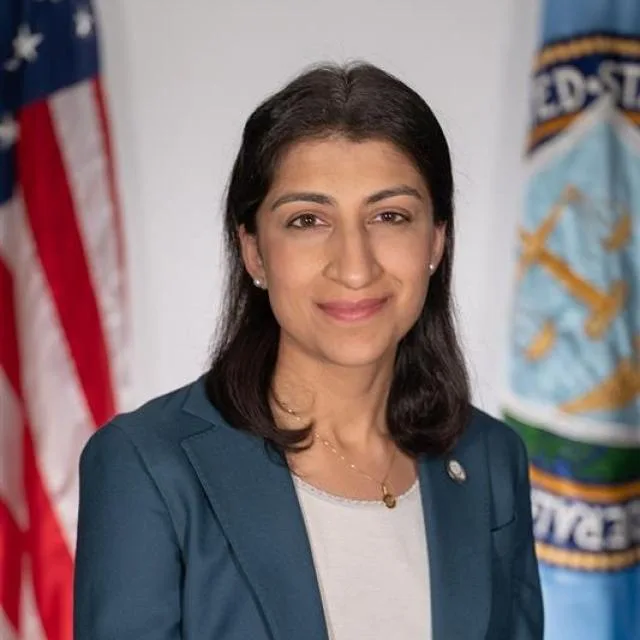
Lina Khan, ex-chair of the FTC, cautions that relying on AI companies to self-police has repeatedly failed, urging stronger oversight to address emerging risks.
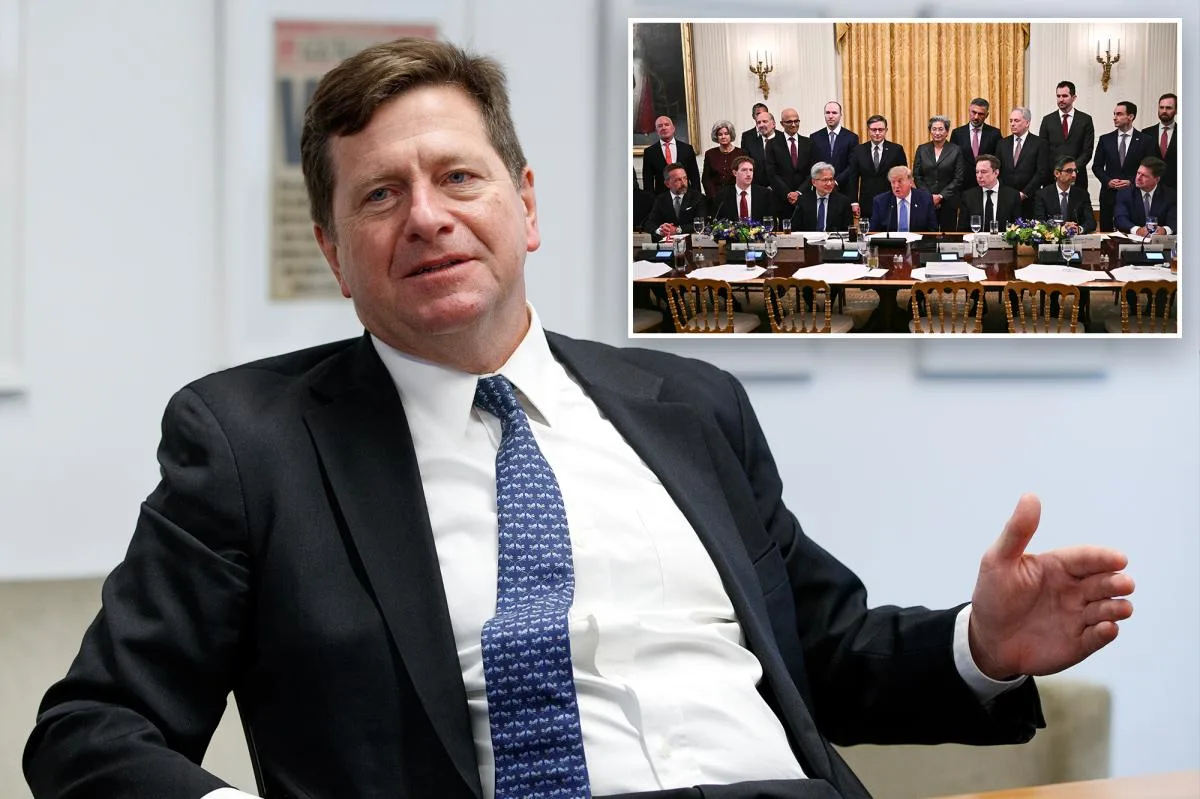
President Trump named Jay Clayton as the AI czar, directing him to deliver a comprehensive report on the benefits and risks of artificial intelligence within 120 days.
Emerging agentic AI technologies are revolutionizing identity management, shifting how organizations secure access beyond employees to include automated AI agents.
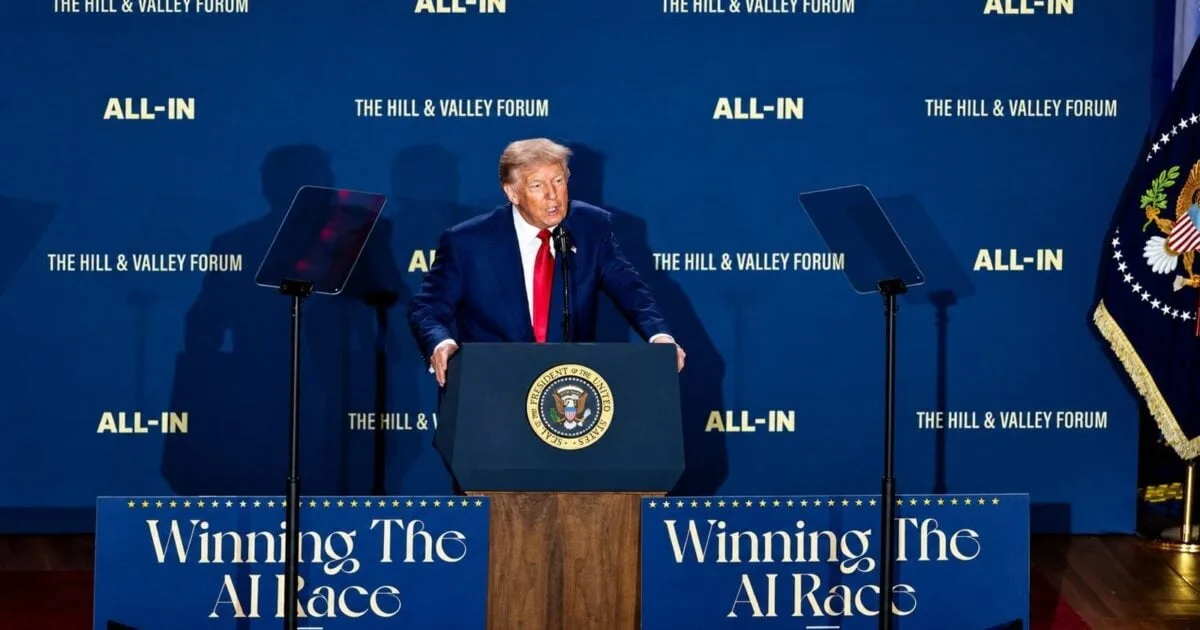
President Trump defended Ohio’s AI industry expansion, stressing the need for computing infrastructure to maintain U.S. competitiveness as investments risk shifting to China.
Apple enforces tighter restrictions on macOS applications seeking broad data access, aiming to enhance user privacy and test market responses to AI agent permissions.