

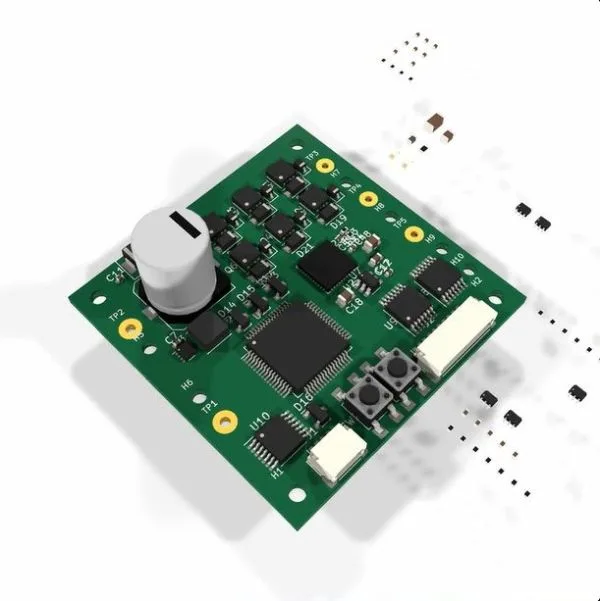
OpenAI’s newest GPT-6 Astra iteration demonstrates a remarkable step in electronic design automation by creating fully realized printed circuit board (PCB) layouts within KiCad software, starting from user-provided schematics. This development highlights the potential for artificial intelligence to move beyond code or text generation into the realm of hardware design, streamlining a traditionally complex process.
The model interprets schematic diagrams supplied by users and generates accompanying PCB layouts that conform to design rules, component placement norms, and electrical connectivity. This contrasts with prior AI implementations that only assisted with partial design tasks or conceptual suggestions. Automating these steps can drastically reduce manual workload, minimize human error, and accelerate the prototyping phase for engineers and hobbyists alike.

While the technology currently requires user input and validation, the integration of GPT-6 Astra with KiCad introduces opportunities to refine and optimize circuit board designs faster than conventional methods. This capability may reshape electronics development workflows, lowering barriers to entry for newcomers and supporting complex projects that demand rapid iteration. As the system evolves, broader adoption could drive innovation across consumer electronics, robotics, and custom hardware sectors.