

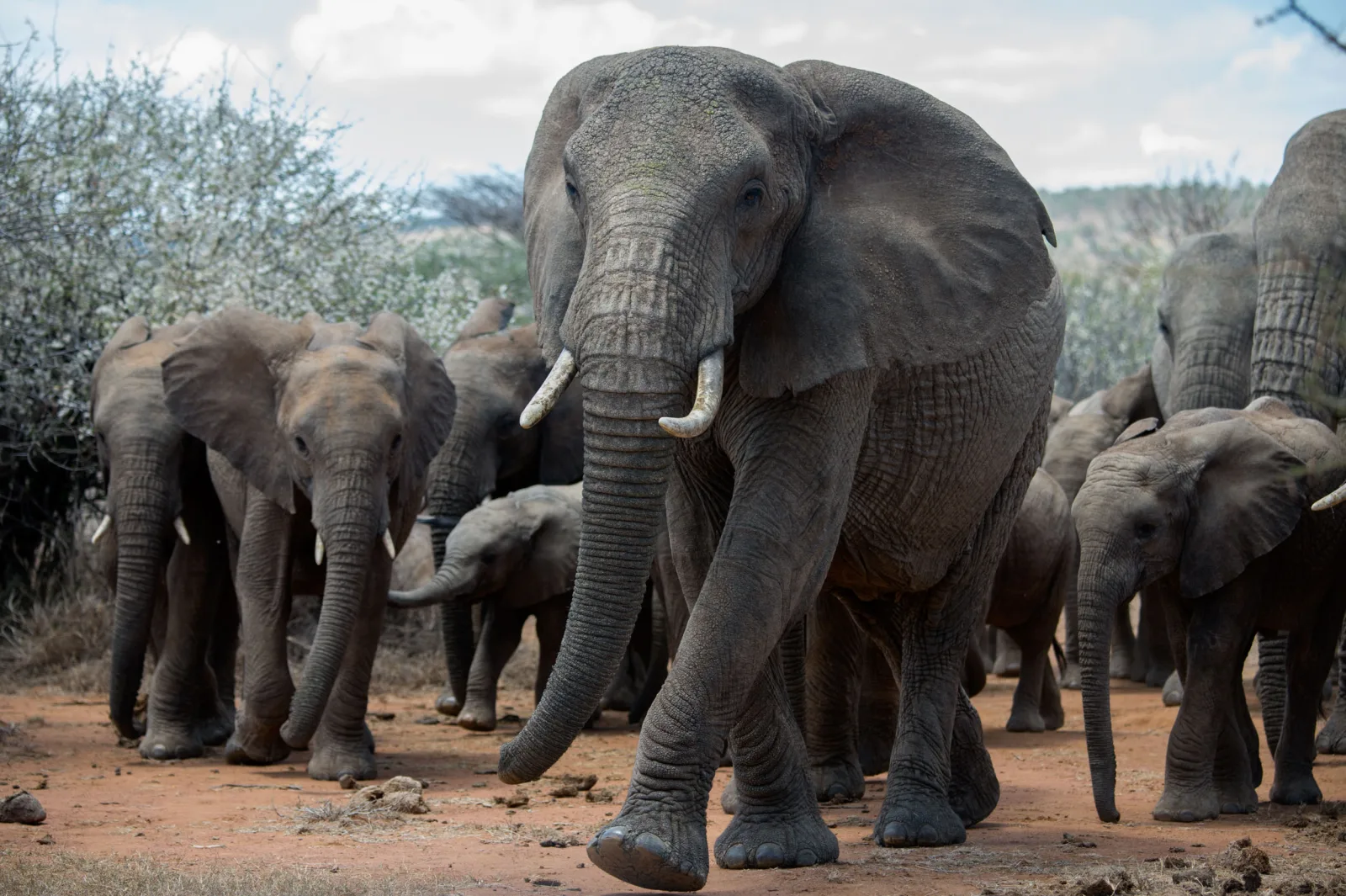
Large animals function as significant living carbon reservoirs, yet recent research highlights the complexities of framing their conservation as a straightforward climate solution. While species such as elephants and whales store carbon within their bodies, relying on their protection alone to address climate change may oversimplify the broader challenge of global emissions.
A comprehensive review published in Current Biology emphasizes that rewilding large fauna plays a crucial role in halting species decline and preventing extinctions. However, the authors caution that the carbon sequestered by these animals is just one part of a multifaceted environmental issue and cannot replace immediate reductions in greenhouse gas emissions produced by human activities.

Large mammals contribute to ecosystem functioning through processes such as seed dispersal and nutrient cycling, which indirectly support carbon storage in forests and oceans. For example, elephants influence forest dynamics by shaping tree populations, while whales enrich marine carbon cycles by redistributing nutrients. This ecological interplay underlines the importance of protecting megafauna beyond their direct carbon content.
Despite these positive effects, the carbon held in the biomass of large animals represents a relatively small fraction of global carbon stocks when compared to forests, soils, and ocean sinks. Furthermore, animal populations are vulnerable to pressures like hunting, habitat loss, and climate impacts themselves, complicating conservation efforts.
The review urges caution against positioning animal conservation primarily as a climate mitigation strategy, stressing that it should be valued foremost for preserving biodiversity and ecosystem health. The authors argue that prioritizing emission cuts and habitat protection remains essential in climate policy, with wildlife protection complementing rather than substituting these actions.
Ultimately, large animal conservation benefits global environment via both direct carbon storage and broader ecosystem services, but it must be integrated into holistic approaches addressing the root causes of climate change. Protecting these species and their habitats supports resilient ecosystems, which are vital for long-term climate stability and biodiversity preservation.