

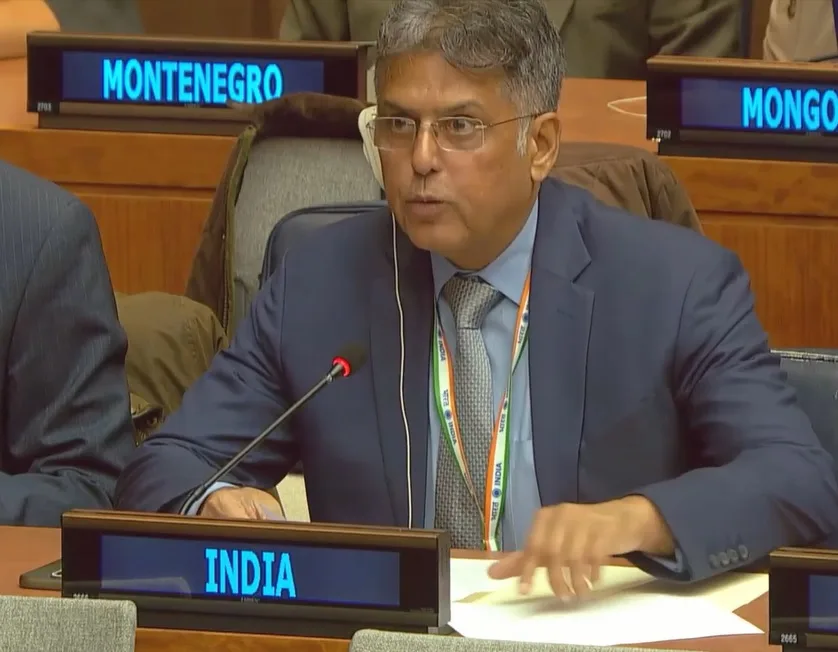
India has reiterated its longstanding pledge to refrain from initiating the use of nuclear weapons in any conflict and to never deploy them against states without nuclear arsenals. Importantly, it has proposed converting this commitment into a multilateral legally binding treaty, signaling a push to formalize strategic restraint on the global stage.
The offer aims to strengthen international nuclear arms control by embedding India’s no-first-use (NFU) stance into a broader legal framework among multiple countries. This move reflects India’s attempt to promote nuclear stability and reduce the risk of preemptive nuclear conflict amid global security tensions.

By advocating that the NFU commitment be enshrined in an international agreement, India seeks to set a precedent that could influence other nuclear powers. It underscores its position as a responsible nuclear state willing to abide by strict doctrines that limit the role of nuclear weapons in military strategy.
This proposal also highlights India's refusal to use nuclear weapons against non-nuclear-armed countries, reinforcing norms that protect such states from nuclear coercion or attack. Formalizing these principles into a binding pact could contribute to more predictable deterrence dynamics and reduce nuclear escalation risks worldwide.