

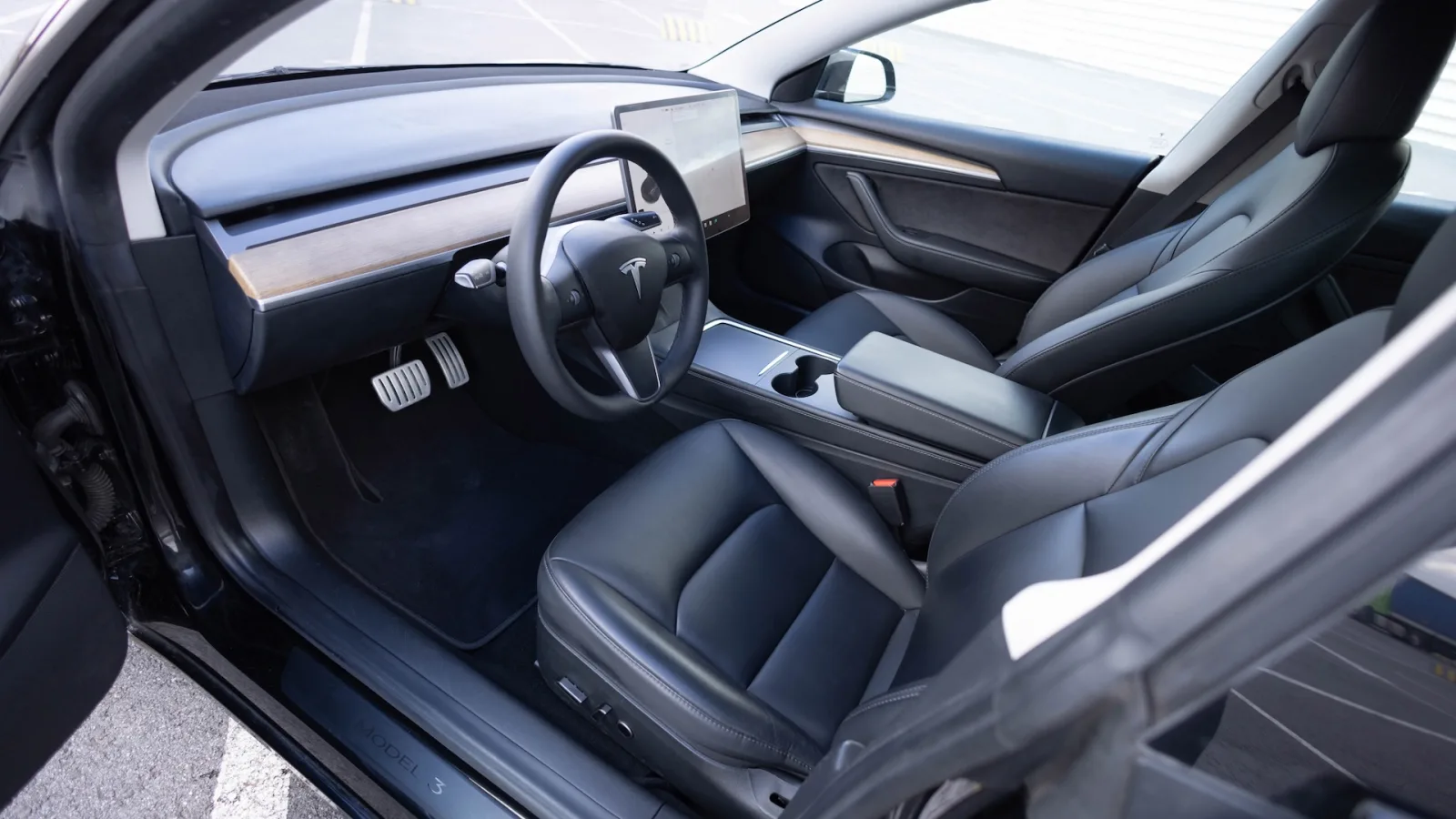
A top executive from Li Auto, a prominent Chinese electric vehicle manufacturer, recently praised Tesla’s Full Self-Driving (FSD) system as the only autonomous driving solution genuinely belonging to the industry’s first tier. This endorsement came during a Beijing event where Zhen Kun, head of foundation models at Li Auto, shared insights after personally testing Tesla’s latest FSD software in California for two weeks.
Kun emphasized Tesla’s “technical depth” and acknowledged the pressure of competing directly against what he described as the strongest rival globally. His comments stood out because they came from a competitor in China’s fiercely competitive EV market, where companies like BYD, XPeng, Nio, and Li Auto have heavily invested in developing driver-assistance technologies and the supporting semiconductor infrastructure.

This acknowledgment highlights the importance of software performance in the evolving electric vehicle landscape. Tesla’s FSD remains a key differentiator amid a crowded market, especially as Tesla’s sales have faced challenges recently. Enhanced driver-assistance systems can improve safety, lane-centering, highway navigation, and overall convenience—benefits that are driving competition and innovation across the industry.
The rivalry could ultimately serve consumers by accelerating advancements in features and expanding affordable autonomous capabilities to a wider range of vehicles. Public recognition of Tesla’s lead also underscores the high stakes in software development, where real-world data collection and AI integration are critical. Notably, some observers compare Tesla’s position to Apple’s iPhone dominance, with Chinese EV makers likened to Android platforms—rapidly closing the gap but unlikely to dethrone the market leader soon.
Chinese audiences have responded with mixed views: some admire Tesla’s technological edge, while others highlight the swift progress of China’s own self-driving taxi initiatives and question how quickly local companies can catch up given Tesla’s years of accumulated driving data. This dialogue reflects the broader global competition sharpening focus on autonomous vehicle technology’s role in the future of clean transportation.