

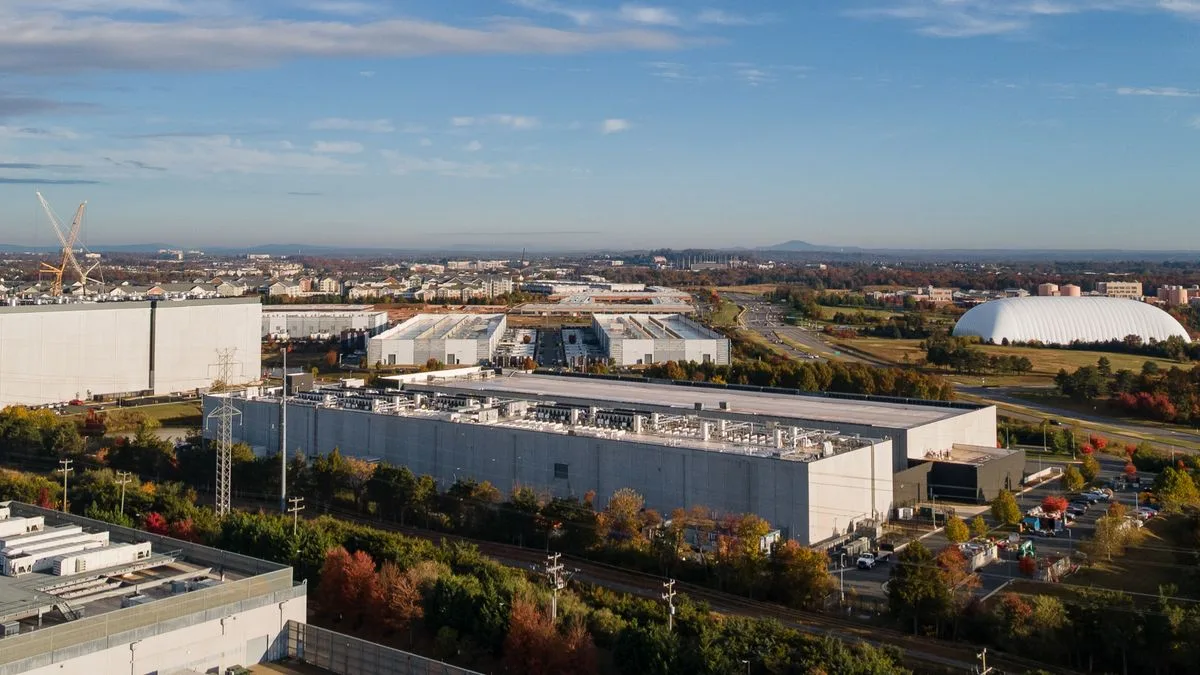
Meta is preparing to launch a new cloud initiative, internally named Meta Compute, to rent out its surplus AI computing resources. This move would mark the company’s entry into the competitive cloud infrastructure market, putting it alongside major providers such as Amazon Web Services (AWS), Google Cloud, and Microsoft Azure.
The company is reportedly considering two primary service models. One involves giving developers access to AI models hosted on Meta’s infrastructure, including its proprietary Muse Spark model, similar to AWS’s Bedrock platform. The alternative model focuses on selling raw computing power directly to customers, echoing strategies used by emerging cloud providers like CoreWeave.

This strategic shift reflects Meta’s extensive investment in AI hardware and infrastructure. Meta’s computing demands have outpaced its internal build, leading the company to secure massive external GPU contracts totaling around $48 billion with firms such as CoreWeave and Nebius. However, by offering its own spare capacity, Meta could reduce its reliance on these neocloud providers, potentially disrupting their business models.
Market reaction to the announcement illustrates this competitive tension. Meta’s stock surged sharply following the news, despite a previous year of decline, while shares of CoreWeave and Nebius fell significantly. Analysts suggest Meta’s cloud push poses a greater threat to neocloud providers that depend heavily on Meta’s contracts than it does to established hyperscalers.
Meta’s cloud aspirations were foreshadowed by CEO Mark Zuckerberg, who confirmed at the company’s recent shareholder meeting that entering the cloud services sphere was under serious consideration. He also revealed frequent interest from external companies seeking access to Meta’s AI models and idle computing resources.
Backing this expansion is Meta’s aggressive capital expenditure plan, which includes nearly $125 to $145 billion forecasted for 2026. This budget supports a vast infrastructure buildup comprising large-scale data centers and tech partnerships. Meta has inked a major agreement with AMD for a 6-gigawatt capacity and maintains GPU deals with both AMD and Nvidia worth over $100 billion combined. Its Prometheus and Hyperion data centers are engineered to scale from 1 gigawatt up to 5 gigawatts of power, underscoring the company’s commitment to vast AI processing capabilities.
These developments coincide with organizational changes at Meta, including thousands of job cuts tied to infrastructure budget realignments. The company’s evolving cloud strategy underscores its intent to leverage existing AI investments more efficiently by opening its capacity to external customers, a move that could reshape competitive dynamics within the cloud computing industry.