

Microsoft’s latest Surface Pro 12-inch and Surface Laptop 13-inch models stand out not for major hardware upgrades but for a notable reduction in memory. Both devices now come with 8GB of RAM, a shift largely attributed to ongoing global component shortages affecting the PC industry.
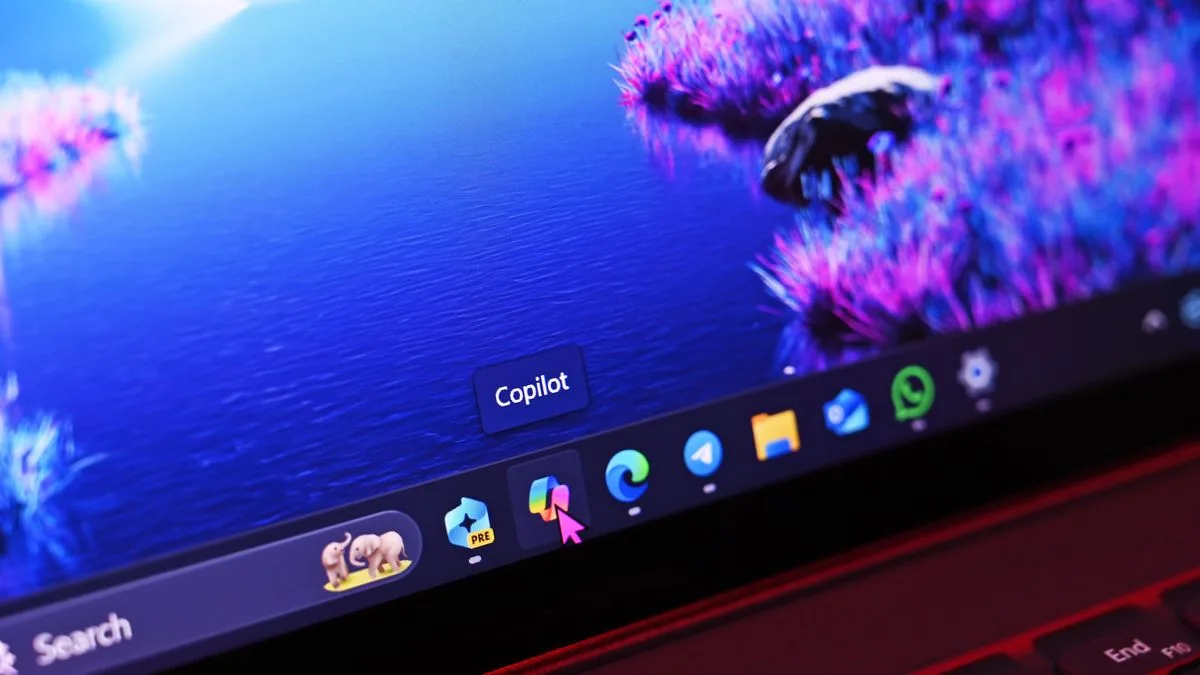
This reduction in RAM means the new Surface models do not meet the minimum requirements for Windows’ Copilot+ experience, which demands at least 16GB. As a result, these computers will not support AI-driven tools integrated in Copilot+, such as Recall, Click To Do, and Windows Studio Effects, features designed to streamline productivity but that also consume considerable system resources.

By excluding these AI-enhanced capabilities, Microsoft may have unintentionally produced a cleaner, more resource-efficient Windows 11 experience on Surface devices. Although some users appreciate Copilot+ tools, others find them unnecessary or cumbersome. The new models avoid the extra software load and preserve system performance within the constraints of 8GB RAM.
The shift toward 8GB RAM in Windows 11 laptops is part of a broader industry trend responding to chip shortages, prompting multiple manufacturers to offer budget-friendly devices with less memory. Previous skepticism about 8GB’s viability for modern Windows 11 use has softened. Testing has shown that for everyday tasks—such as browsing, media consumption, and office work—8GB remains sufficient for many users, though it limits high-end gaming and demanding creative applications.
Microsoft’s decision reflects a balancing act between cost, supply constraints, and software capabilities. While the Copilot+ PC certification aims to highlight machines optimized for AI integrations, these new Surface devices suggest that some users might prefer a more streamlined system without those features. This could influence how PC makers approach AI support against hardware availability in the coming months.