

NVIDIA introduced Halos for Robotics, a full-stack safety architecture designed to advance the deployment of autonomous robots in dynamic, human-centric workplaces such as factories, warehouses, and logistics centers. This platform combines AI computing power, sensor networks, and software layers to ensure safer robot operation alongside human workers.
The system draws from NVIDIA’s extensive experience in autonomous vehicle safety, condensing over 18,600 engineering years into a standardized robotic safety framework. It includes the NVIDIA IGX Thor and Holoscan Sensor Bridge hardware, delivering industrial-grade AI processing and real-time sensor integration. On the software side, Halos OS and Halos Core provide critical safety operating functions alongside applications built on the open-source Halos Outside-In Safety Blueprint, which enhances robot perception using external cameras and AI agents to dynamically adjust robot behavior.

A key feature of Halos is its end-to-end approach, spanning from AI compute to sensor data management and system inspection. NVIDIA’s Halos AI Systems Inspection Lab, accredited by the ANSI National Accreditation Board, supports physical AI and safety validation and helps partners prepare for certifications from organizations such as TÜV Rheinland, UL Solutions, TÜV SÜD, exida, SGS, and CertX.
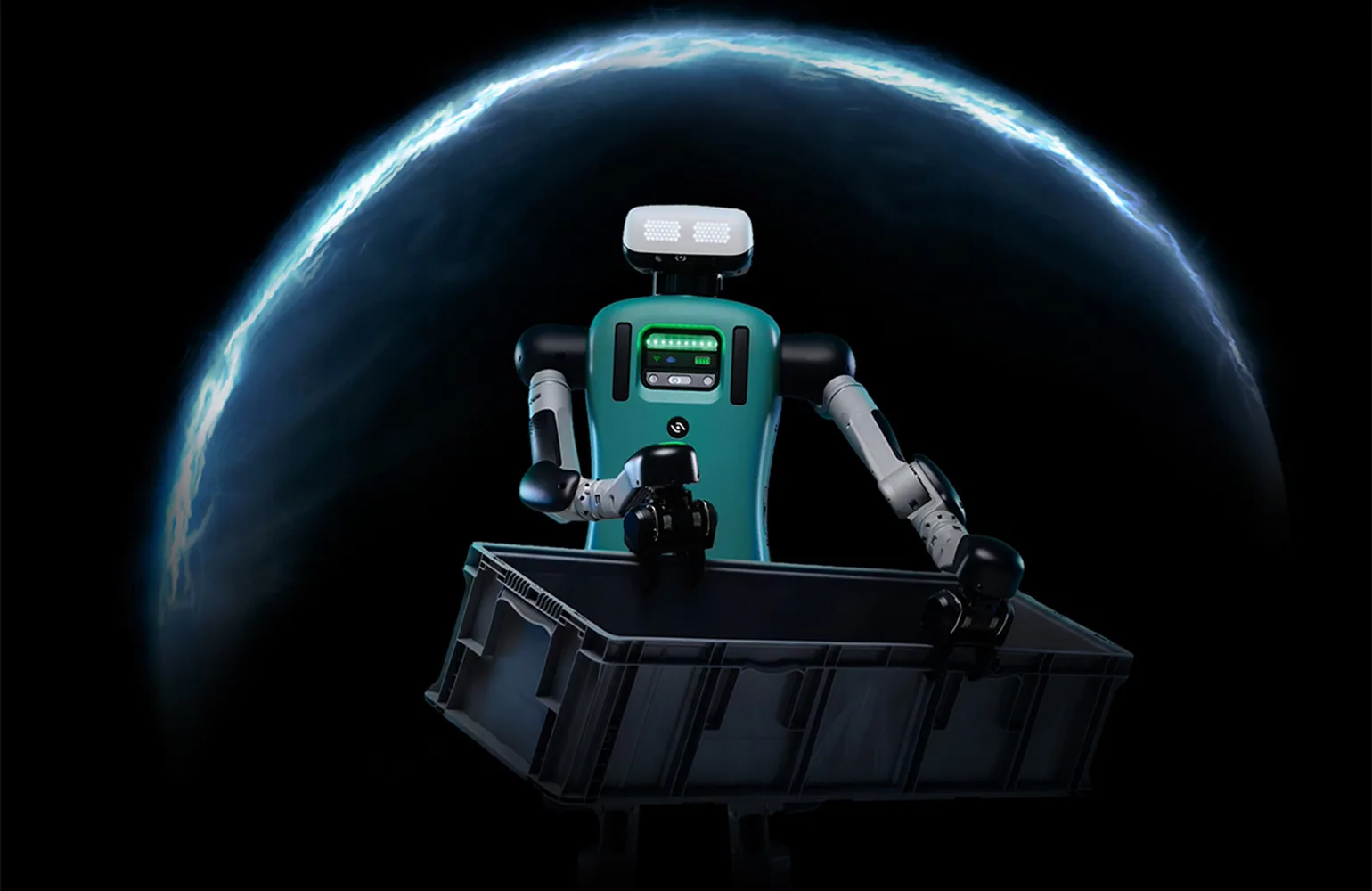
Agility Robotics stands as the first adopter of NVIDIA Halos, implementing the system to improve safety in humanoid robots operating for clients in sectors ranging from retail logistics to automotive manufacturing, including companies like Amazon and Toyota Motor Manufacturing Canada.
Halos is currently available in early access for registered developers. The core platform supports Linux and Linux combined with QNX, while the Halos Outside-In Safety Blueprint is accessible open source via GitHub. This availability empowers robotics developers and system integrators to accelerate the creation of safer autonomous machines capable of operating alongside humans in complex industrial settings.