

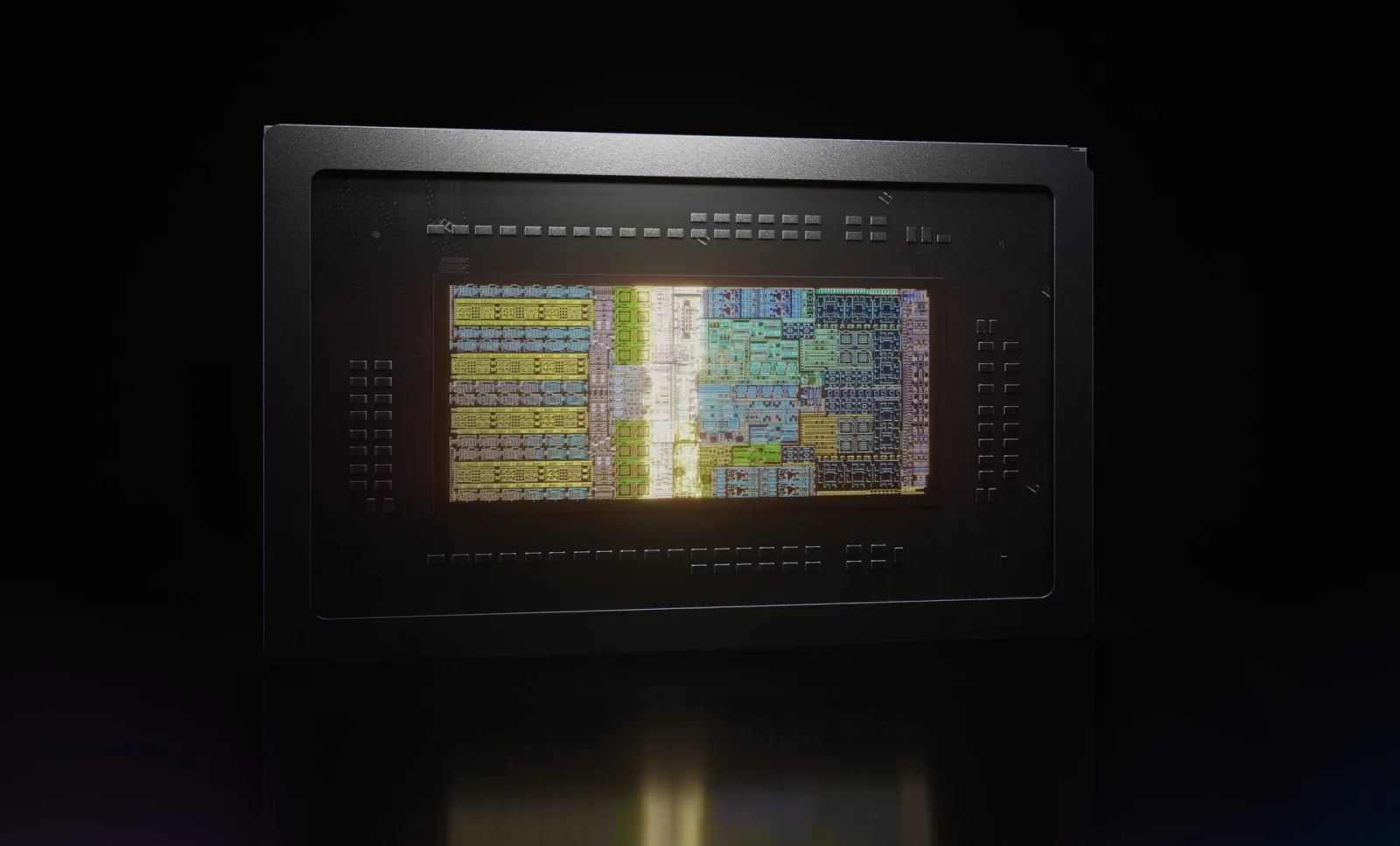
NVIDIA’s next-generation Rosa CPU marks a significant leap in the company’s processor roadmap, focused on powering advanced AI workloads. Unveiled at GTC 2026, Rosa will launch alongside NVIDIA’s Feynman GPU lineup, targeting the increasing demands of agentic AI applications that require enhanced per-core compute capabilities.
The standout feature of Rosa lies in its new core architecture, named Rigel, which builds upon the Arm v9.2 CPU core design. This fresh core aims to surpass the performance of Vera’s Olympus cores by delivering even higher single-threaded execution while maintaining the same silicon footprint. Key improvements include a larger L2 cache, more efficient memory handling, and improved instruction delivery that collectively elevate per-core performance.

Compared to its predecessors, Rosa advances NVIDIA's continuous effort to push CPU efficiency and speed in data center environments. Vera’s 88 Olympus cores already offered a substantial jump from the previous Grace CPU’s 72 cores and doubled the cache per core. Although details about Rosa’s total core count remain undisclosed, its architecture promises further gains without expanding chip size, an important factor for energy and thermal management at scale.
NVIDIA highlights that Rosa will support new memory technologies, likely including LPDDR6 or LPDDR6X, promising improvements in bandwidth and capacity over the existing LPDDR5X memory used in Vera. This could translate to better data handling for AI inference and training operations. While Rosa’s exact memory specs and bandwidth figures have yet to be announced, expectations are high for efficiency and throughput improvements aligned with NVIDIA’s AI-centric design goals.
This development underscores NVIDIA’s aggressive push towards specialized CPU designs tailored for AI workloads, complementing their GPU technologies. Rosa’s anticipated release alongside Feynman GPUs signals an integrated approach to next-generation computing platforms focused on agentic AI demands.