

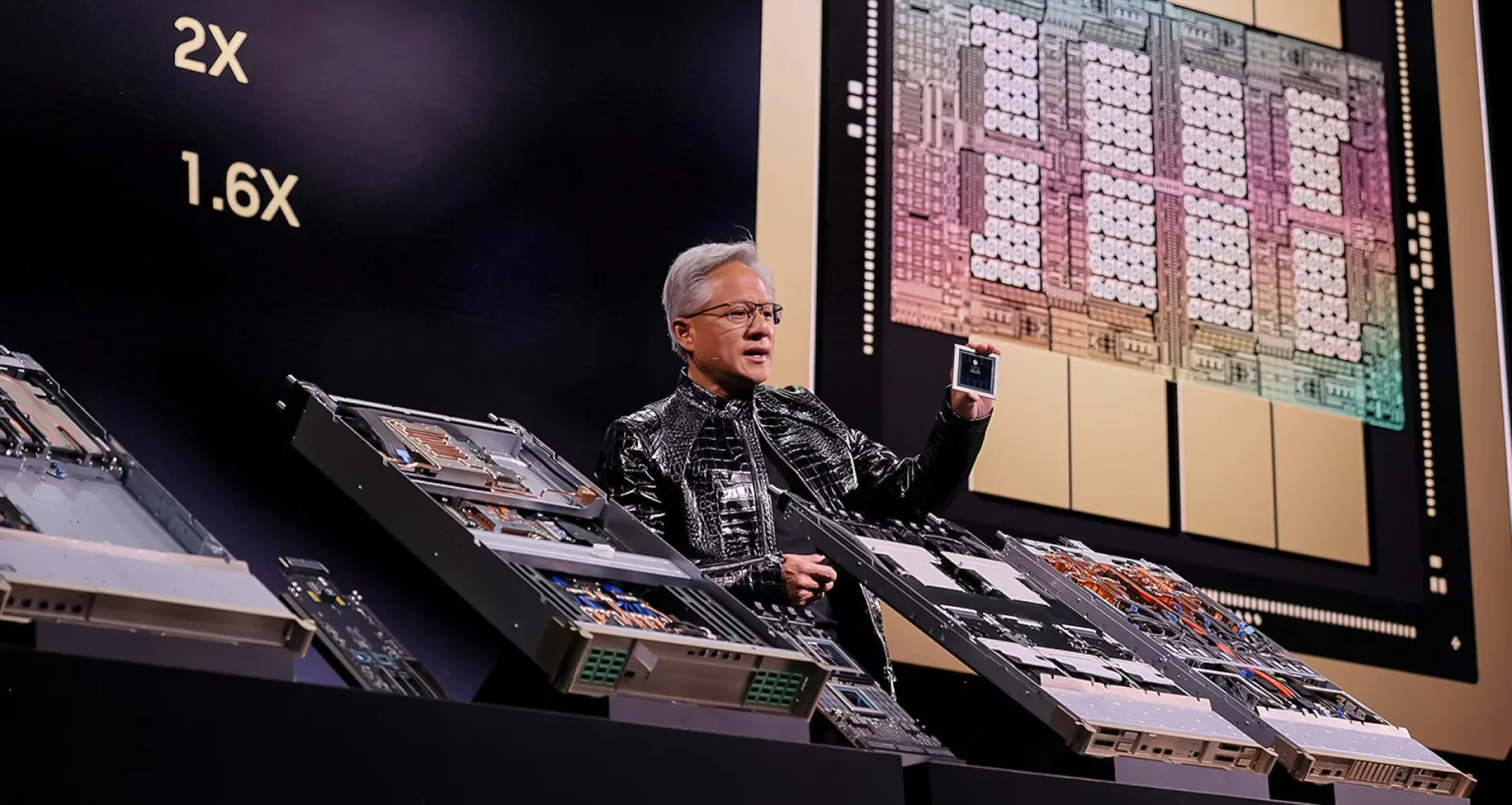
NVIDIA’s next-generation Vera Rubin AI data centers represent a significant leap forward in computational power but come with substantial financial and energy demands. According to Foxconn’s chairman Young Liu, developing a one-gigawatt AI data center based on the Vera Rubin architecture could cost up to $47 billion, with annual electricity costs reaching $1.3 billion.
Each Vera Rubin facility is expected to house approximately 3,557 server racks, each valued at around $9.1 million, highlighting the considerable capital expenses involved. Beyond power consumption, hardware depreciation will outpace electricity costs by six times, underscoring the expensive nature of maintaining such advanced infrastructure.

The rapid expansion of AI applications has driven a surge in global data center demand. Projections indicate that by 2030, the data center market will reach $1.6 trillion, consuming 174 gigawatts of power—more than double 2024 levels. This growth implies that energy infrastructure must expand by about 18 gigawatts annually through 2030 just to keep pace with AI’s rising needs.
Key consumers of this compute power include AI model developers, cloud service providers (CSPs), governments, and enterprises. Many are transitioning toward AI-native operations, where artificial intelligence automates core workflows, requiring human oversight primarily for goal setting and monitoring.
In response to these challenges, Foxconn is exploring the creation of “Taiwan-style” science and technology parks within the United States, particularly in Arizona and Texas. These hubs aim to support the construction and operation of large-scale AI data centers, with plans advancing toward realization by the end of the year.
The Vera Rubin platform signals a pivotal moment in agentic AI development, delivering computing capabilities previously unattainable. However, the financial and energy costs involved mark a bold new frontier, requiring massive investment and infrastructure upgrades worldwide.