

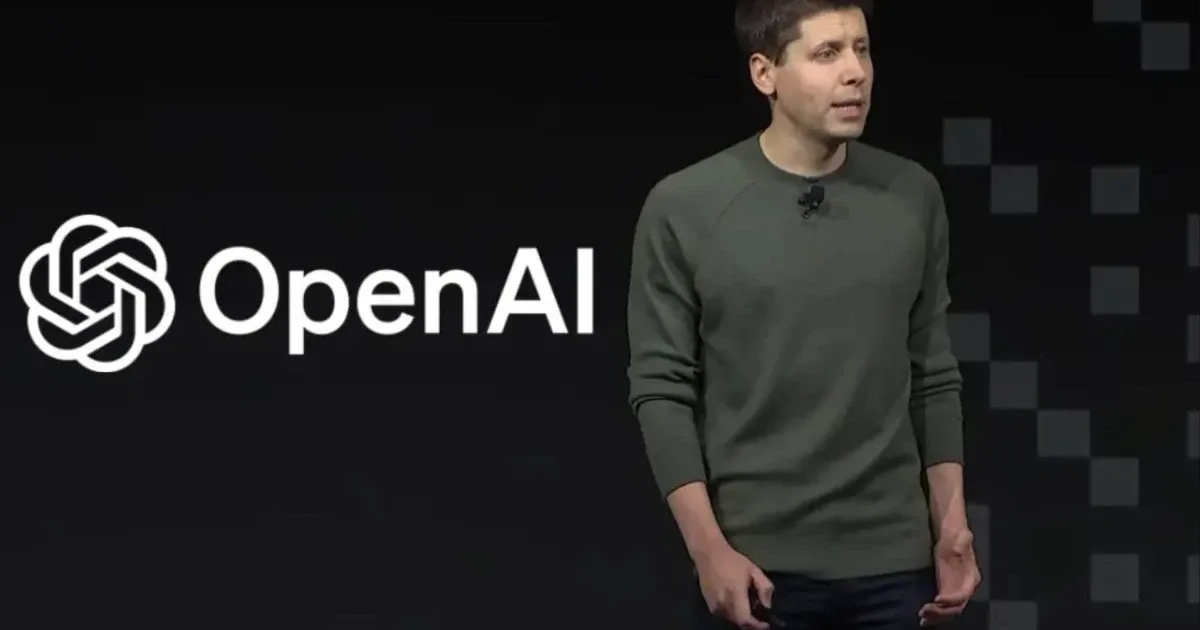
Sam Altman, CEO of OpenAI, has proposed assigning 5% of the company’s equity to a United States sovereign wealth fund, a move that could fundamentally shift how AI industry profits benefit the public. This proposal aims to transform part of the financial gains from one of the world’s leading AI firms into a form of shared national capital, similar to revenues from natural resources like oil and minerals.
The idea reflects a broader conversation on the governance and regulation of frontier AI technologies. Altman’s plan suggests that some returns from AI investment should be redistributed to citizens through public mechanisms, positioning AI companies not merely as private enterprises but as strategic assets with responsibilities to public welfare. However, any formal implementation would require congressional approval and faces legal and political challenges, given its unprecedented nature in the tech sector.

This initiative surfaces amid an intensifying policy debate about the role of AI companies in the economy and society. Senator Bernie Sanders has introduced legislation proposing a one-time 50% tax on stock from major AI firms, funneling proceeds into a public wealth fund. His plan acknowledges the complexity of taxing diversified technology giants, who might circumvent such taxes by separating their AI operations from other businesses.
Altman’s proposal can also be read as a strategic gesture toward Washington, signaling openness to shared economic gains from AI’s explosive growth. It echoes earlier suggestions, including those by former President Trump, about allowing the public to become stakeholders in AI-driven wealth. This proposal parallels sovereign wealth funds established by resource-rich nations, which capture and distribute sizable profits generated by state-market collaborations.
Critically, frontier AI technologies produce wide-ranging societal effects—from boosting productivity and influencing labor markets to raising concerns about concentrated risks, regulatory complexities, and social disruptions. OpenAI has benefited from public infrastructure, government-funded research, and permissive market conditions. Altman’s proposition tests whether the public should also receive a direct financial stake in the benefits arising from these advantages.