

When an AI model vanishes from public platforms, it rarely means it has ceased to exist. Instead, AI systems commonly undergo staged phases before being fully retired, with many lingering in less visible roles or even resurfacing by popular demand. This evolving process, informally dubbed "refurbished AI," reflects how developers manage the lifecycle of AI models.
Major AI providers follow a similar phase-based framework for their models. Initially, models are fully supported and labeled as active. Over time, they transition to legacy status as updates stop, then move to deprecated when a future shutdown date is announced. Finally, a model enters the retired stage, at which point external requests to it fail. These transitions usually happen gradually and away from user eyes, with models disappearing from apps only after months of winding down.

One common outcome is that models pulled from consumer-facing apps remain accessible via APIs for developers. For example, when OpenAI removed several versions of GPT-4 from its ChatGPT app, these models stayed available in APIs, allowing third-party applications to continue using them. This separation means users often lose sight of models still powering tools behind the scenes.
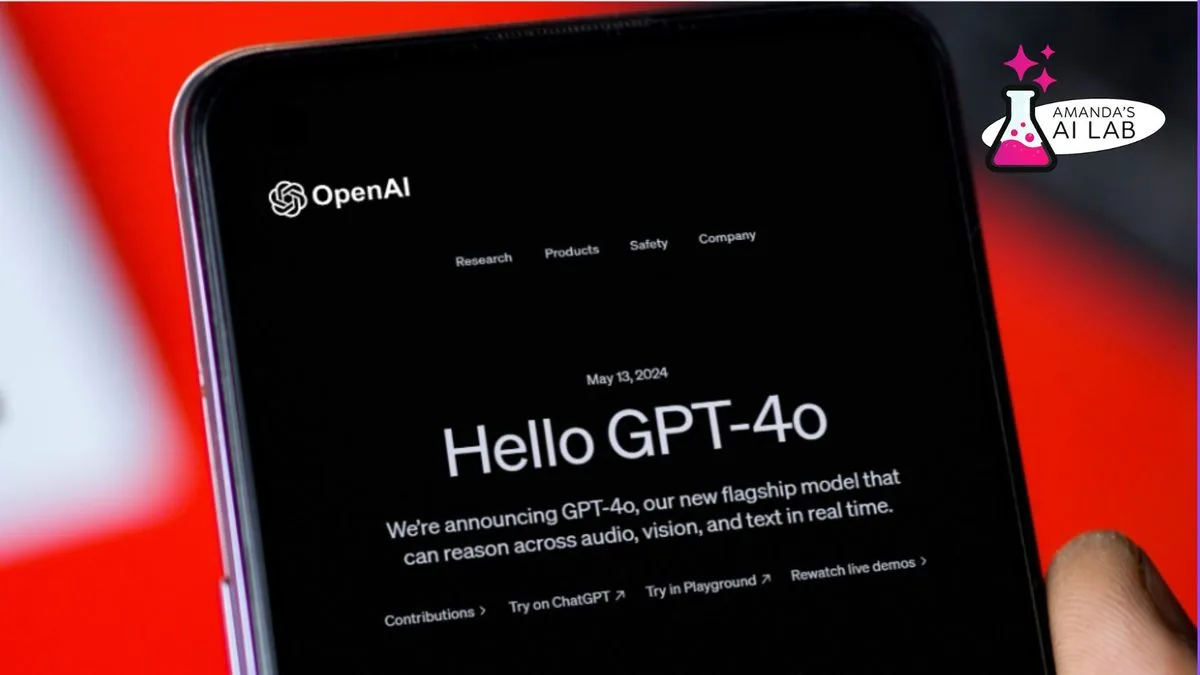
In some cases, user feedback can bring a model back into wider usage. After complaints from certain ChatGPT user groups who favored GPT-4o’s style for creative tasks, OpenAI temporarily reinstated it for a subset of premium users despite initial plans to retire it. This demonstrates how AI providers may "refurbish" models to meet ongoing demand, adapting rather than discarding their creations entirely.
The lifecycle stages—active, legacy, deprecated, and retired—provide a framework for managing AI assets. Yet the practical afterlife of a model can include continued API availability and occasional revival, challenging the notion of AI “death.” This layered strategy benefits developers aiming to balance innovation and stability, while users experience a rotating menu of AI options aligned with evolving needs and preferences.