Nvidia’s DLSS 5 Faces Early Criticism Amid Unfinished Leak, But Potential Remains
An unfinished version of Nvidia’s DLSS 5 leaked online, sparking criticism from gamers despite the AI rendering tech’s promising capabilities still being refined.



An unfinished version of Nvidia’s DLSS 5 leaked online, sparking criticism from gamers despite the AI rendering tech’s promising capabilities still being refined.

Meta researchers created EvoHarness-RL, a new reinforcement learning framework that improves AI agents’ efficiency in complex workflows, rivaling top models at lower costs.

Google invites users to suggest the most desired feature for its upcoming AI Mode in Search, aiming to tailor the tool directly to user needs.

Apple introduces the latest Mac Studio models featuring M5 Max and M5 Ultra chips designed to boost on-device AI capabilities for professionals and creatives.

IBM revealed new dual-ISA processors for Z and LinuxONE systems, featuring advanced AI inference acceleration designed to boost enterprise workloads at Hot Chips 2026.

Nvidia introduces a linear mapping technique that transfers memory between AI models, reducing compute costs and latency in multi-model AI systems without recomputing conversations.

Google updates its Account avatar indicator with a blue gradient ring for AI subscribers, reflecting new paid tiers across Android and web platforms.
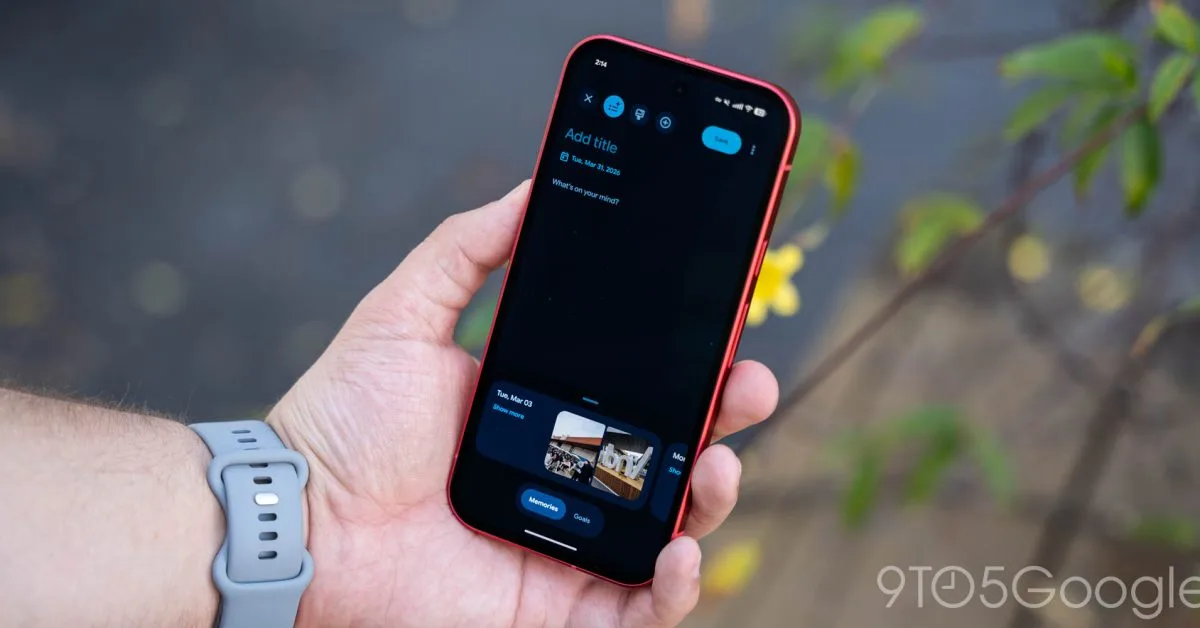
Google enhances its Pixel Journal app with cloud-based Private AI Compute, revamped media layout options, scheduled reminders, and improved dark mode visuals.
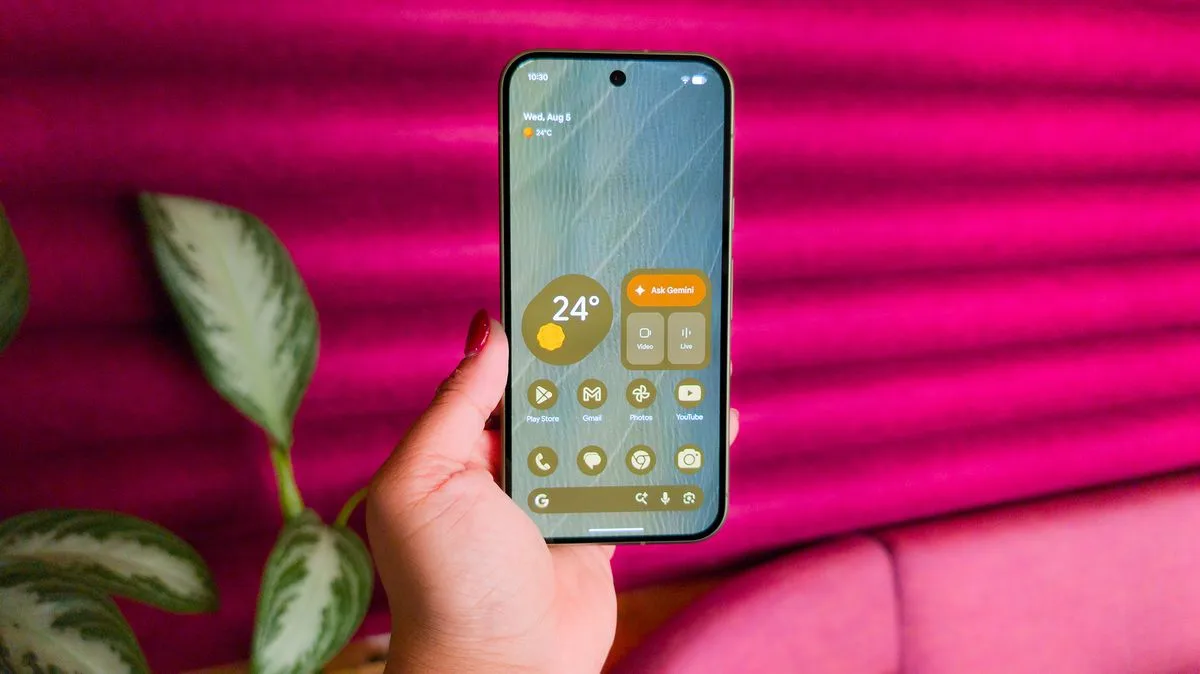
Google is reportedly evaluating silicon-carbon battery technology to enhance future Pixel devices with greater capacity and faster charging despite concerns about battery longevity.
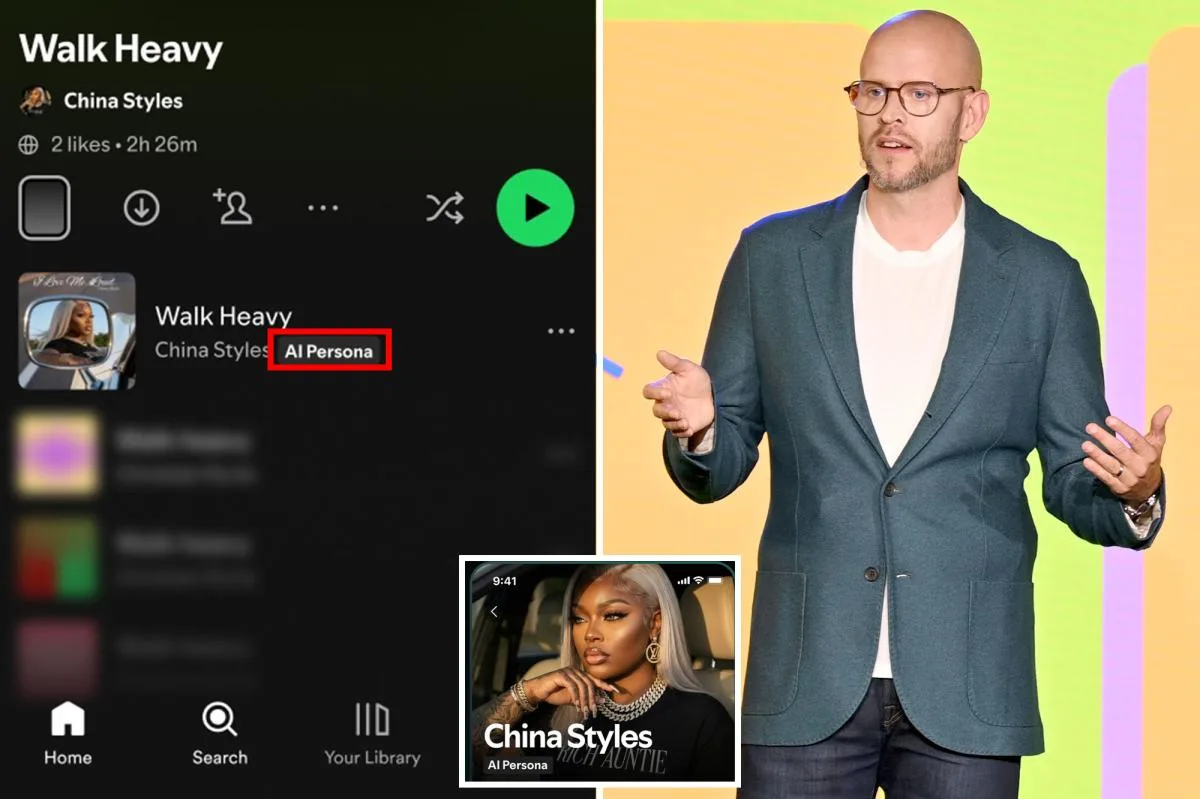
Spotify will mark profiles producing AI-generated music with an “AI Persona” badge and exclude them from algorithmic recommendations to ensure transparency for listeners.
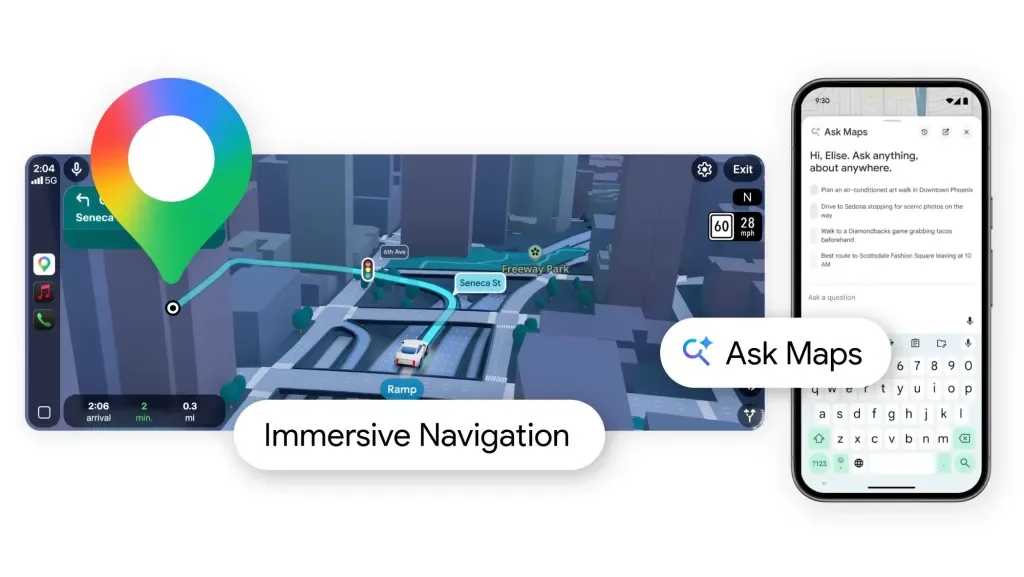
Google Maps now features an AI-driven hotel search that interprets natural language requests for specific preferences, integrating pricing and availability within the app.
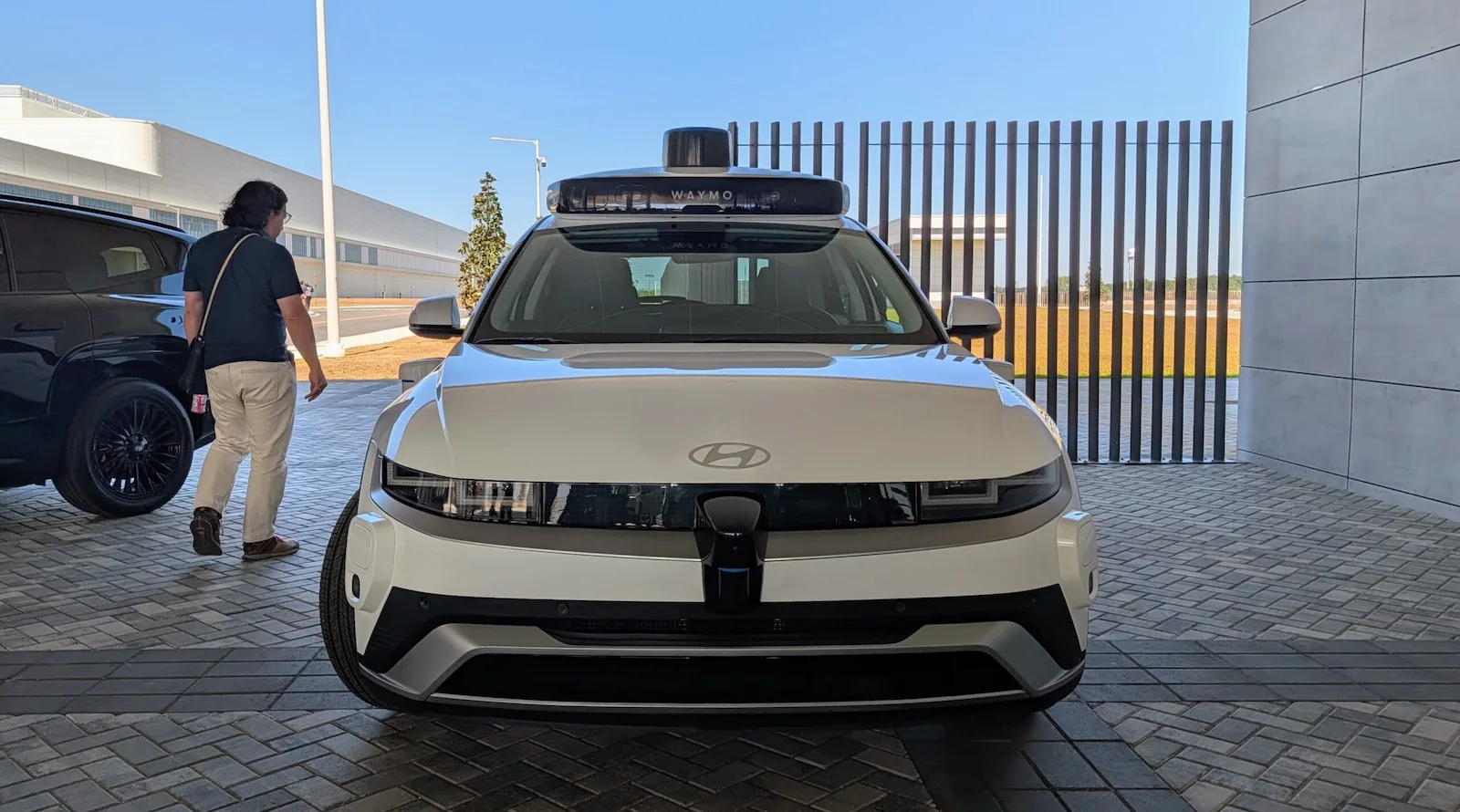
Waymo’s co-CEO advises companies in physical AI to prioritize safe deployment over rapid experimentation, highlighting the irreversible risks involved.