NVIDIA and Adobe Explore Collaboration to Improve AI Adoption Among Creatives
NVIDIA and Adobe aim to reshape how creative professionals perceive and use AI technology by addressing common concerns and integrating smarter tools.


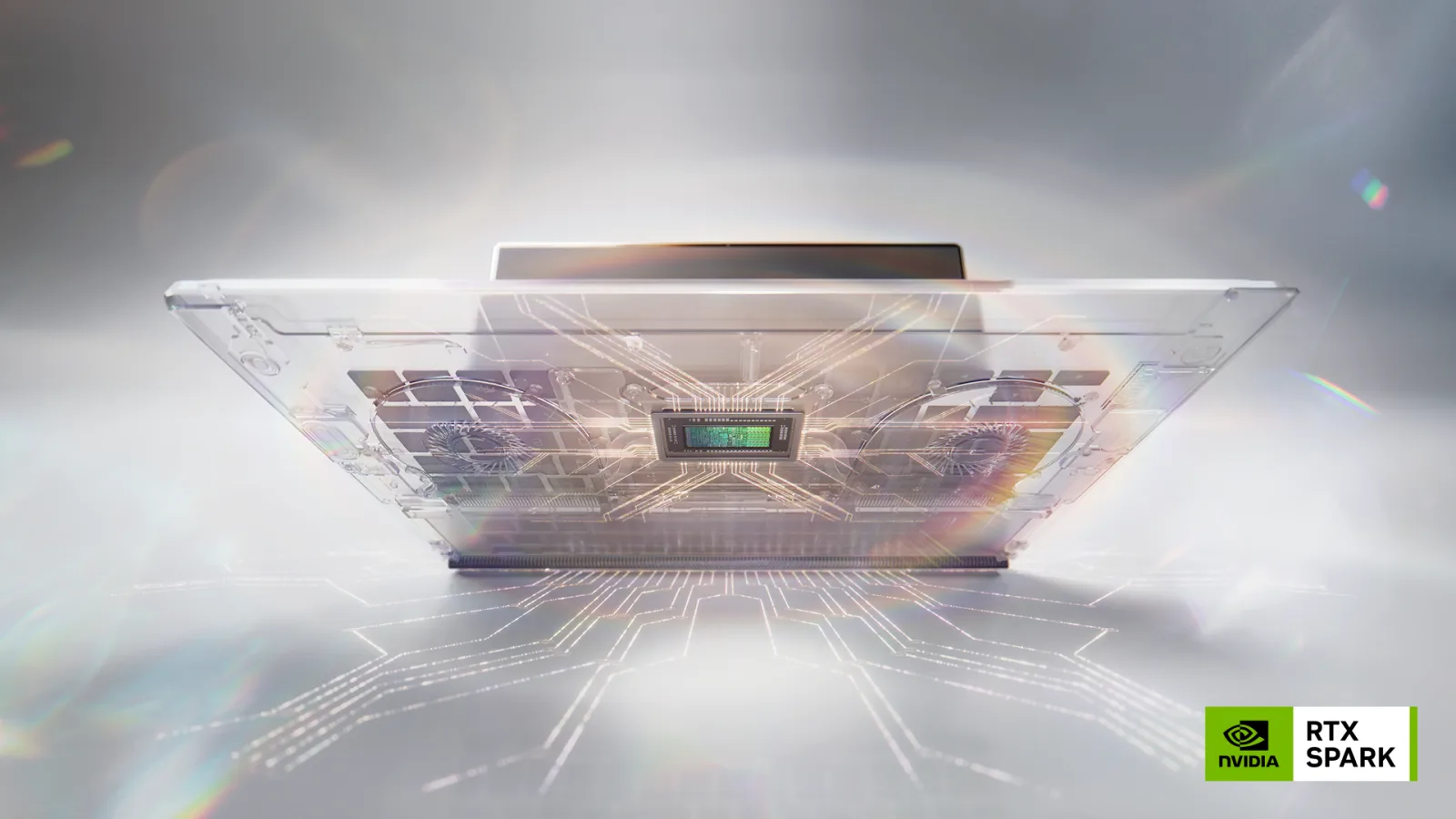
NVIDIA and Adobe aim to reshape how creative professionals perceive and use AI technology by addressing common concerns and integrating smarter tools.

Elon Musk relies heavily on a select group of AI technology companies essential to advancing his ventures in artificial intelligence and related industries.
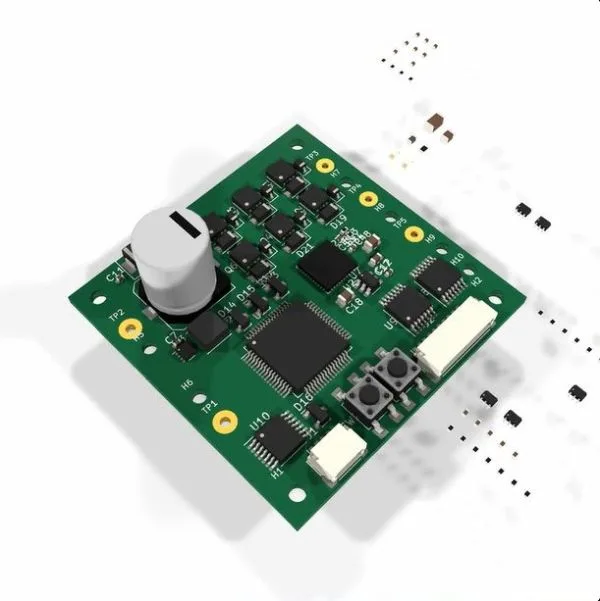
OpenAI’s latest GPT-6 Astra model extends AI capabilities to generate complete PCB layouts in KiCad from schematics, pushing automation in electronics design.

Moulik Budhiraja is pioneering AI technology that anticipates user actions to offer proactive suggestions without waiting for prompts.

John Ternus steps into Apple’s top role facing the task of bolstering its AI capabilities to compete more effectively with industry rivals.

OpenAI has halted developer access to its AI models on Cursor, the coding assistant recently acquired by SpaceX, intensifying competition between Sam Altman’s and Elon Musk’s tech ventures.

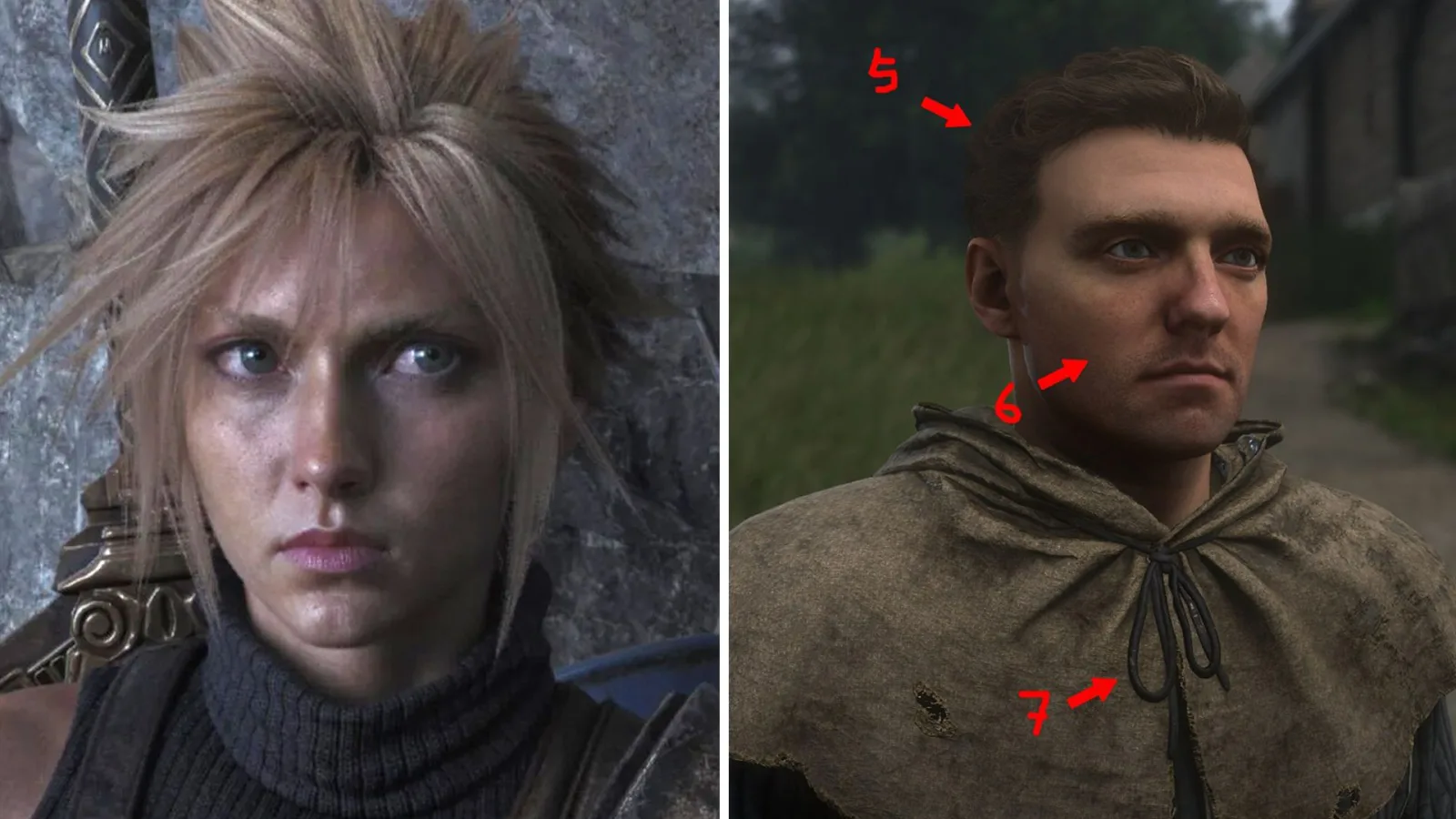
An unfinished version of Nvidia’s DLSS 5 leaked online, sparking criticism from gamers despite the AI rendering tech’s promising capabilities still being refined.

Meta researchers created EvoHarness-RL, a new reinforcement learning framework that improves AI agents’ efficiency in complex workflows, rivaling top models at lower costs.

Google invites users to suggest the most desired feature for its upcoming AI Mode in Search, aiming to tailor the tool directly to user needs.
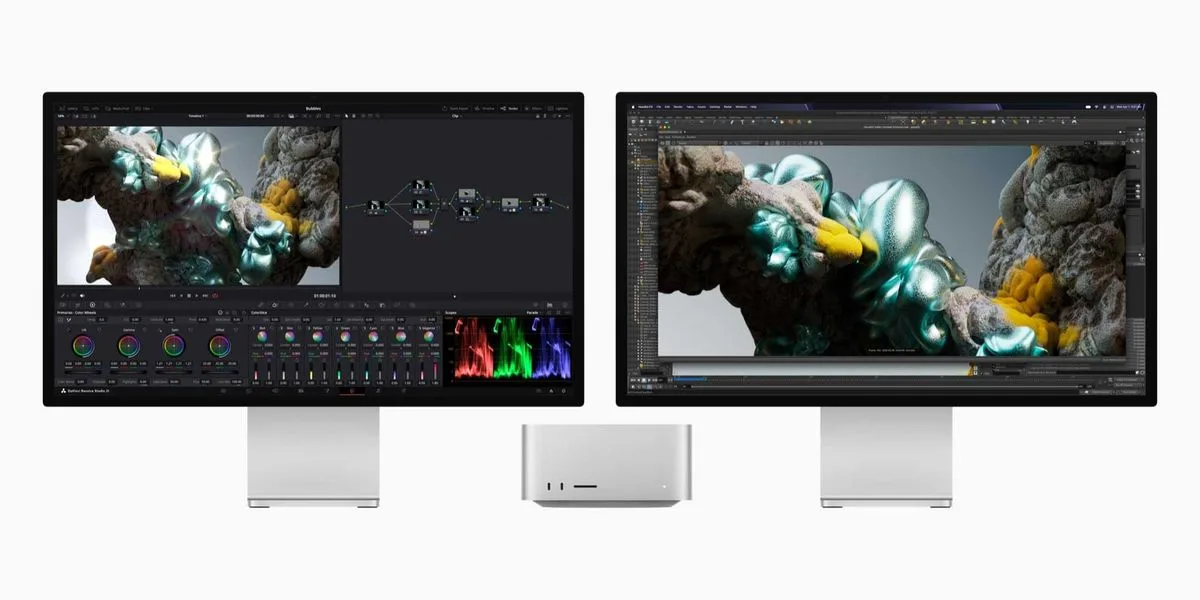
Apple introduces the latest Mac Studio models featuring M5 Max and M5 Ultra chips designed to boost on-device AI capabilities for professionals and creatives.
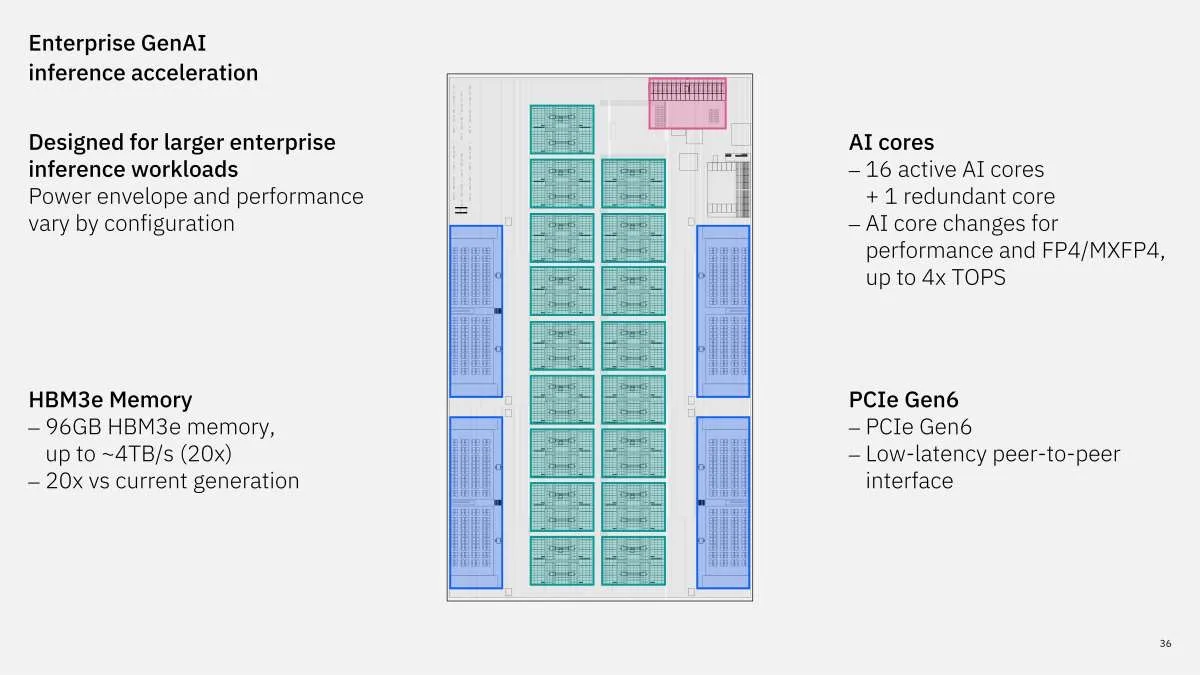
IBM revealed new dual-ISA processors for Z and LinuxONE systems, featuring advanced AI inference acceleration designed to boost enterprise workloads at Hot Chips 2026.

Nvidia introduces a linear mapping technique that transfers memory between AI models, reducing compute costs and latency in multi-model AI systems without recomputing conversations.