Asian equities gained ground on Monday as investors weighed ongoing Middle East developments against signs of diplomatic progress, while crude oil prices remained relatively anchored. The Japanese yen surged, dropping the dollar to as low as 155.7 yen before a partial recovery, fueling speculation about possible intervention from Tokyo authorities. Currency traders have remained vigilant following recent Japanese action aimed at supporting the yen.
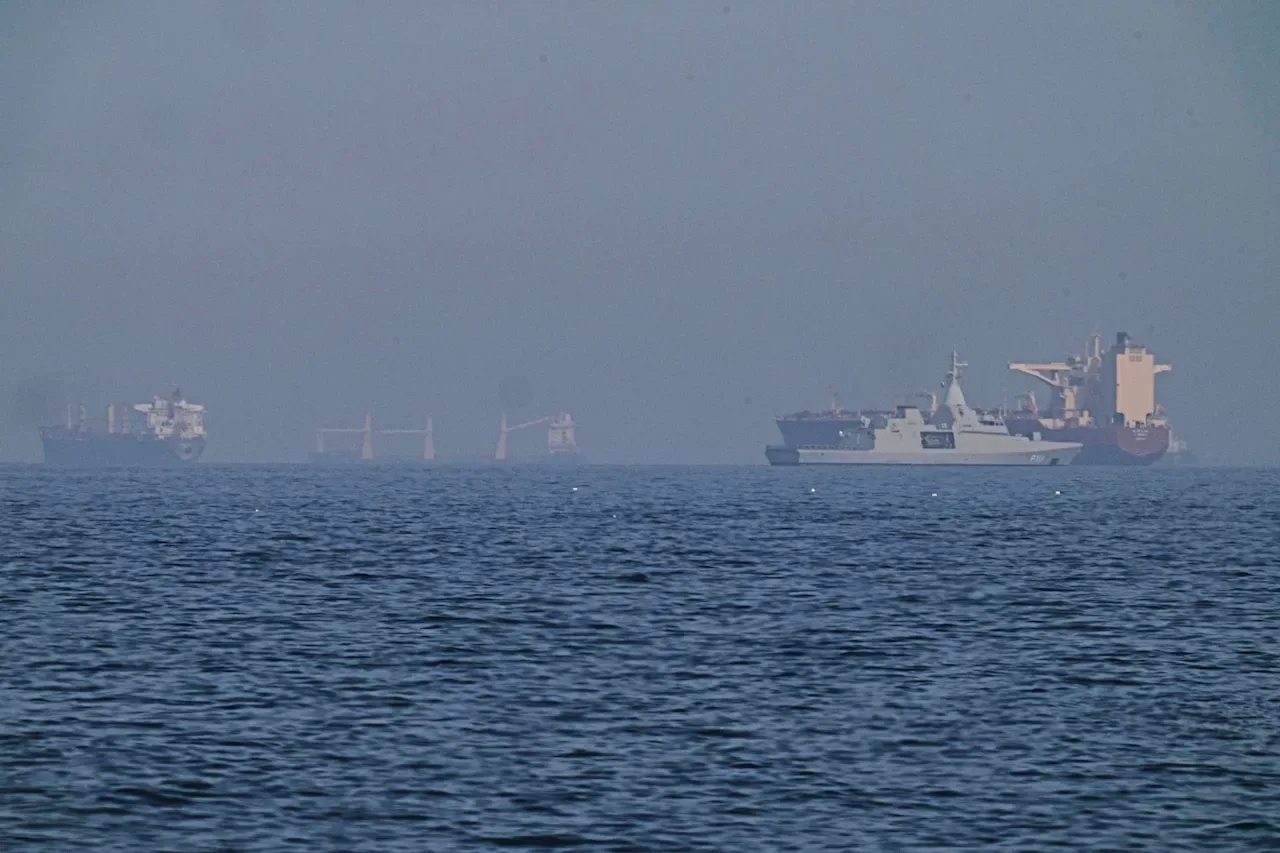
Geopolitical instability continues to shape investor behavior across global markets. The United States announced it would assist vessels stuck in the Strait of Hormuz, a vital shipping corridor for global oil supplies, though the scope of military support remains unclear. Uncertainty over maritime safety persisted following reports of a bulk carrier being attacked near Iranian waters. Brent crude rose modestly to around $108 per barrel, while U.S. crude hovered near $101, reflecting investor caution about further escalation.

Asian stock performance proved resilient. South Korea's market surged following a holiday reopening, while Hong Kong equities posted solid gains. Technology stocks led the regional advance. In the United States, futures markets edged higher as traders prepared for an earnings-heavy week featuring major corporations including Disney, AMD, and McDonald's.
The broader picture remains one of competing pressures. Strong corporate earnings growth offers support to equities, yet concerns over inflation and rising interest rates weigh on sentiment. Central banks worldwide, including the Federal Reserve and European Central Bank, are signaling tighter monetary policies to combat inflation, partly driven by elevated energy costs stemming from geopolitical disruptions.
Markets are effectively navigating between corporate earnings optimism and dual headwinds from geopolitical risk and inflation pressures. This combination has created a volatile yet opportunity-laden environment for investors still assessing how regional tensions will ultimately affect global growth and energy costs.