The phrase "Drill, baby, drill," originally coined in 2008 by Michael Steele, former lieutenant governor of Maryland, has evolved from political slogan into energy policy that advocates say has delivered substantial economic and strategic benefits to the United States. The approach prioritizes domestic oil and gas production over the energy independence framework pursued in previous decades.
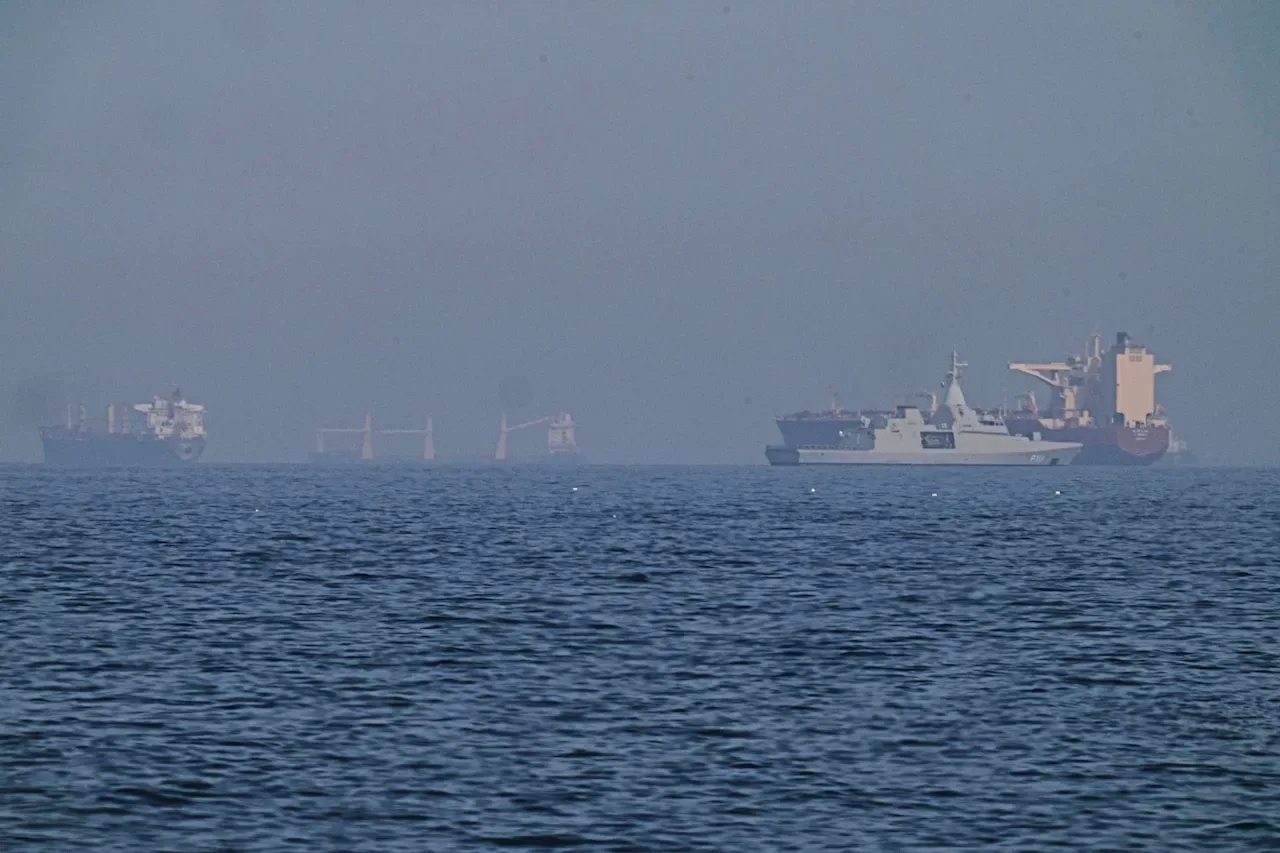
Recent geopolitical events underscore the strategic advantage of increased domestic energy production. The closure of the Strait of Hormuz has highlighted vulnerabilities in relying on Middle Eastern suppliers, even as US oil prices remain relatively stable compared to international benchmarks. West Texas Intermediate crude has stayed consistently lower than Brent crude throughout the Iran conflict, while natural gas prices in the United States have fallen to roughly a 17-month low despite the Middle East disruption affecting 20 percent of global supply.

The shift toward energy dominance represents a significant departure from previous policy frameworks. Domestic petroleum production increased from 9.5 million barrels per day in 2010 to 19.3 million in 2019. By 2020, the United States achieved a milestone by becoming a net exporter of petroleum products for the first time in 70 years—a reversal from decades of import dependence. In the mid-1950s, imported oil constituted less than 15 percent of national energy consumption. That figure climbed to 36 percent by 1973, leaving the country vulnerable to the Arab oil embargo and subsequent energy crises.
Current production levels have created new infrastructure challenges. Natural gas production in the United States is at record levels and continuing to rise, but pipeline capacity constrains further increases. Producers in West Texas face a surfeit of natural gas with limited pipeline space, forcing delays in output expansion. Liquefied natural gas export terminals are already operating at full capacity.
The energy strategy has broader geopolitical implications. US natural gas supplied critical support to Europe as it addressed energy shortages stemming from the Ukraine war. Proponents argue that expanding domestic production reduces vulnerability to international crises while positioning the nation to assist allies during supply disruptions. Rather than drilling alone, they contend, the priority now involves expanding infrastructure—pipelines, refineries, and export terminals—to fully capitalize on domestic reserves.