

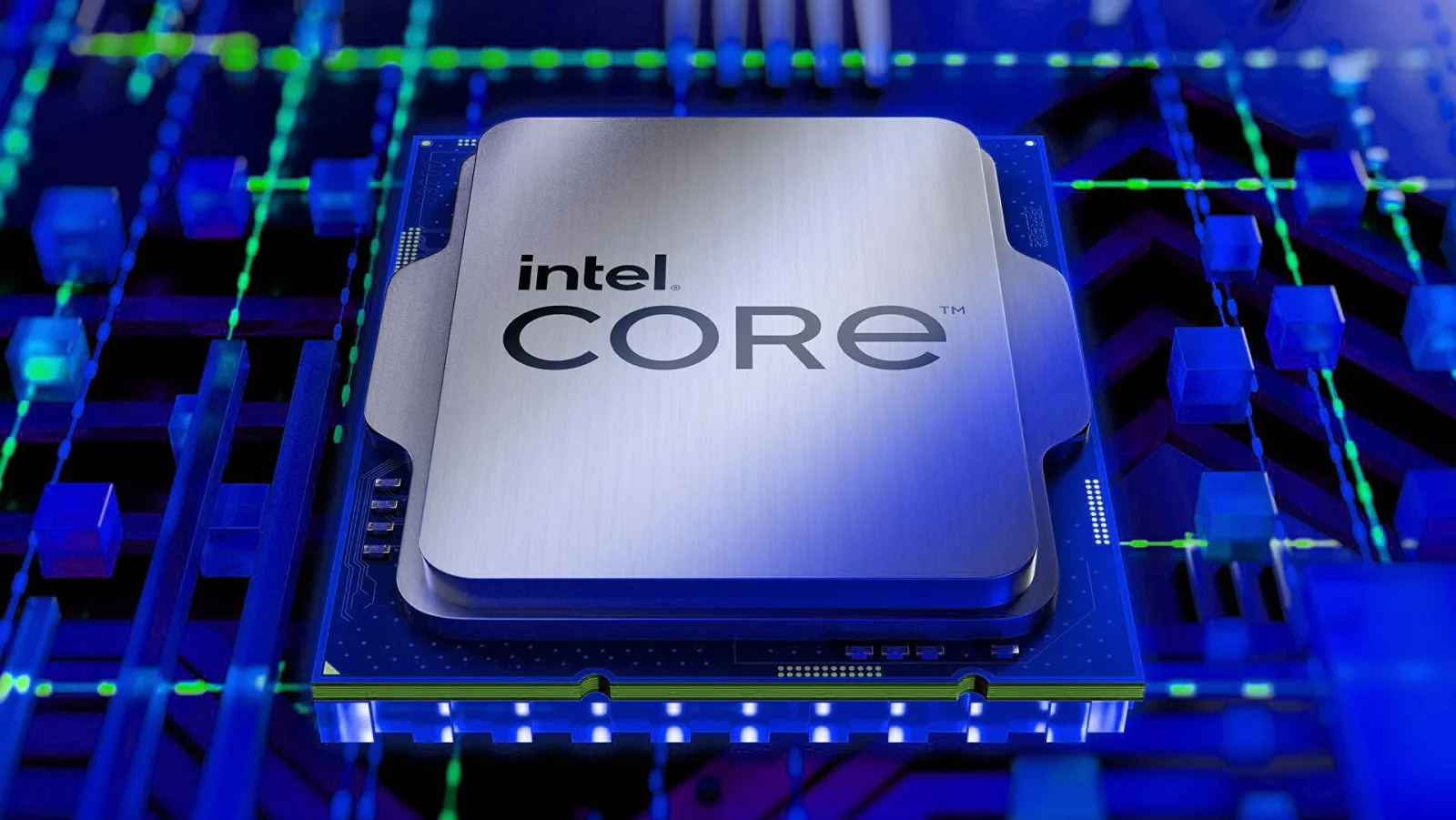
Intel is set to restart the supply of several past-generation processors in mainland China, aiming to address growing demand in the PC market. This move includes not only its latest 13th and 14th generation Raptor Lake chips but also the 10th generation Comet Lake and 12th generation Alder Lake processors, which support DDR4 memory platforms.
The decision coincides with motherboard manufacturers ramping up production of DDR4-compatible boards. The continued high cost of DDR5 memory, which currently sells at multiple times its original price, has constrained budget-conscious builders from adopting the newer platform. By offering processors compatible with DDR4 motherboards, Intel and vendors can provide more affordable PC configurations.

This strategy reflects Intel’s response to sustained DDR5 price inflation expected to persist through this year and beyond. While globally Intel has emphasized expanding production of 13th and 14th generation chips, reintroducing 10th and 12th generation CPUs in China appears targeted to ensure a broader supply chain synergy with existing DDR4 hardware.
In addition to reviving older processor generations, Intel is preparing to launch its upcoming Raptor Lake NEXT series. These new processors are expected to coexist with the Nova Lake lineup, introducing Core 7 and Core 9 variants with core counts aligned to current 14th generation models. Desktop variants will likely include Core 3, Core 5, and Core 7 SKUs, some featuring up to 20 cores, providing a wide range of options for different user needs.
This dual approach allows Intel to meet diverse market demands in mainland China, balancing affordability with the rollout of cutting-edge technology. Supporting DDR4 platforms with older generation chips facilitates access for users on tighter budgets, while new releases maintain Intel’s position in the high-performance segment.