

Lucid Motors is undertaking a significant restructuring effort that includes cutting nearly one-fifth of its U.S. workforce and eliminating the Chief Operating Officer role entirely. This move aims to simplify the company’s operational structure and sharpen execution as the luxury electric vehicle maker adapts to shifting market conditions.
The company will also end the second production shift at its Arizona AMP-1 factory to better match output with anticipated demand. These combined measures are expected to generate approximately $158 million in annualized cost savings, despite incurring about $32 million in restructuring charges.

The departure of Marc Winterhoff, Lucid’s COO who briefly served as interim CEO earlier this year, marks a notable shake-up within the automaker’s leadership. The COO position will not be refilled, signaling an ongoing consolidation of the executive team. Winterhoff did not provide comments when contacted.
Lucid’s recent turbulence extends beyond workforce cuts. Since the sudden resignation of longtime CEO Peter Rawlinson, several senior executives, including the SVPs of engineering, software, and strategy, have exited. The company faced legal challenges after firing its chief engineer, who subsequently filed a wrongful termination lawsuit.
Earlier this year, Lucid reduced its U.S. staff by 12%, and these latest cuts build upon that effort to stabilize the company financially and operationally. The recent appointment of Silvio Napoli as permanent CEO brings new leadership to tackle significant challenges ahead.
Napoli takes charge as Lucid prepares to launch the Cosmos, a more affordable SUV priced under $50,000, targeting mass-market competition including Tesla’s Model Y and Rivian’s R2. Additionally, Lucid continues to pursue innovative growth through partnerships focused on robotaxi services with companies like Uber and Nuro.
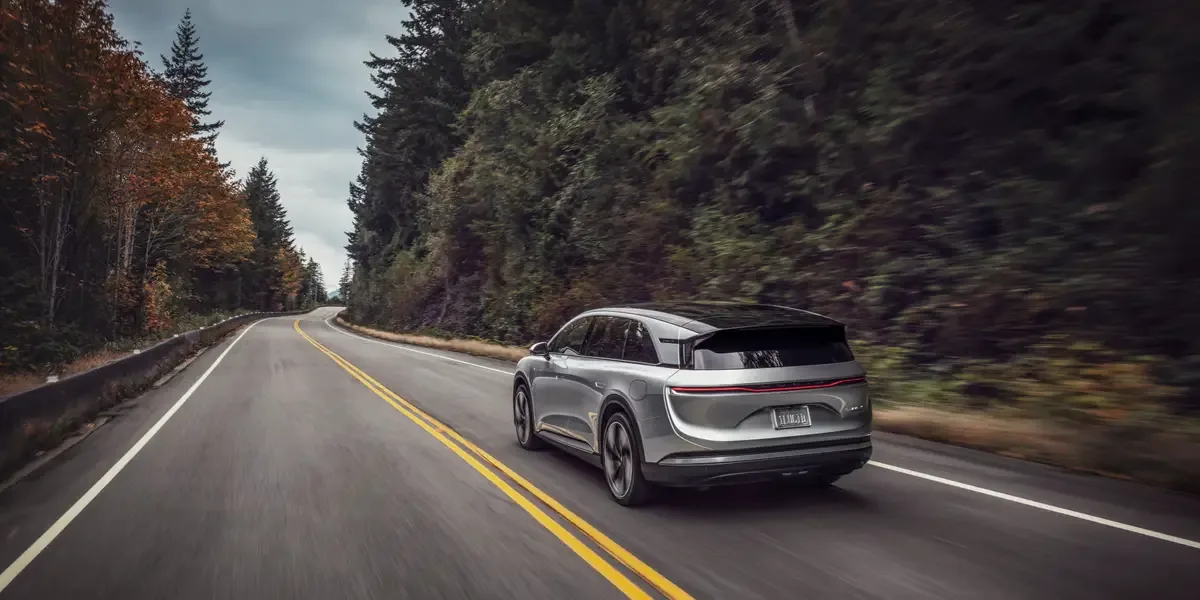
Despite these strategic plans, Lucid has encountered production delays and customer dissatisfaction related to software performance on its Gravity SUV. Aligning production with demand is a critical step in addressing inventory buildup and improving delivery timelines as the company navigates a changing EV market landscape.