

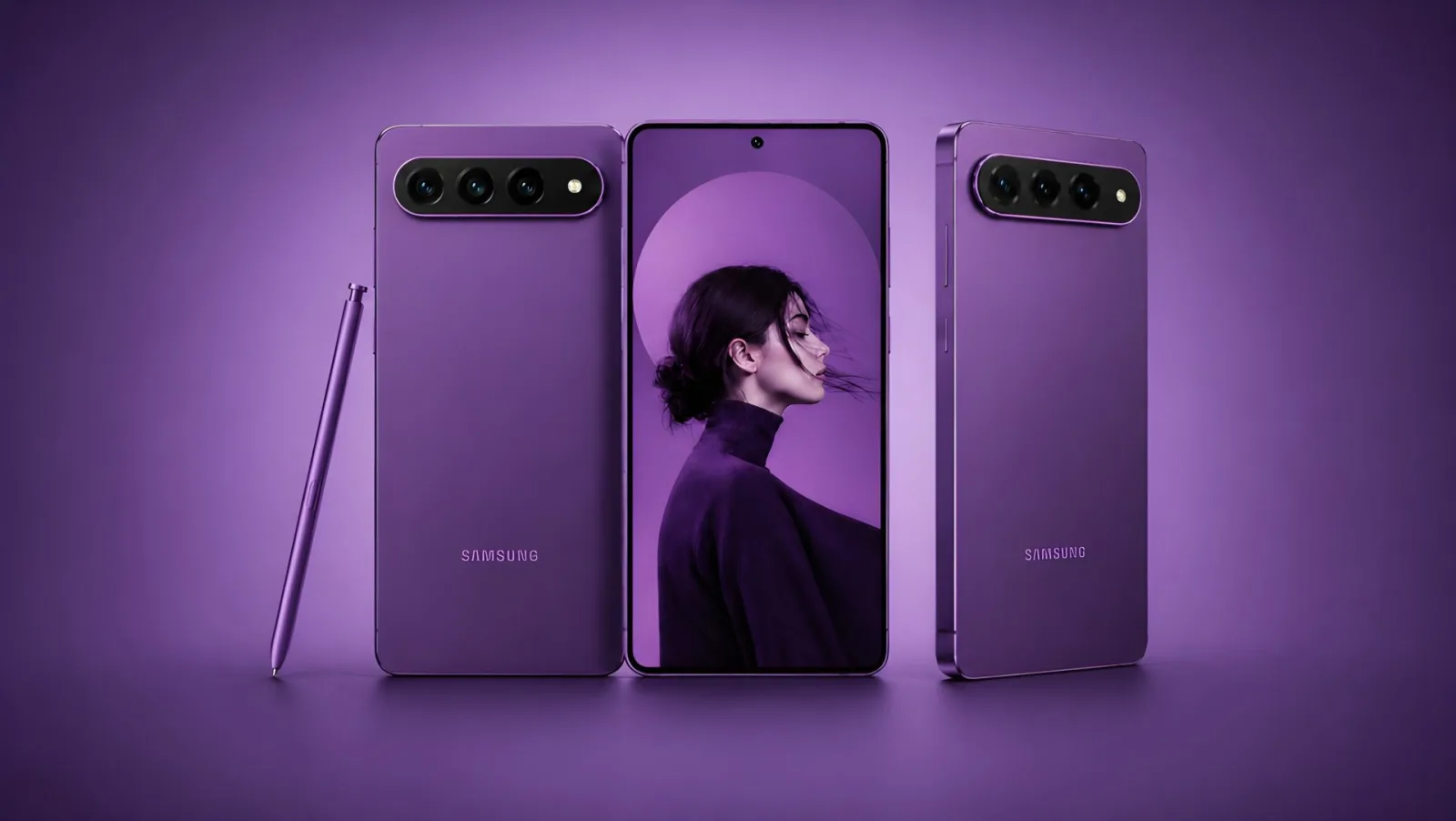
Samsung is reportedly exploring the use of OLED panels from Chinese manufacturer BOE for the base model of its upcoming Galaxy S27 smartphone as a strategy to manage soaring costs in memory chips and mobile processors. This move aims to preserve profitability on lower-margin models but introduces potential quality concerns for consumers.
The South Korean tech giant’s interest in BOE panels marks a notable shift since the two companies initially discussed a similar partnership around the Galaxy S21 in 2021, which did not develop further. Now, Samsung’s TV and smartphone division CEO plans an upcoming visit to BOE’s facilities to discuss commercial opportunities related to these display components.

BOE has grown into a major display supplier with an approximate 25 percent hold on the global OLED panel market, supplying LTPS OLED screens for several generations of Apple’s iPhone, including legacy models like the iPhone 13 through to the iPhone 16e. The company has also expanded into LTPO OLED technology, generating close to $30 billion in revenue despite relatively thin margins. Samsung’s potential collaboration with BOE could leverage their manufacturing scale to reduce costs.
However, BOE panels have faced criticism for occasional quality issues, specifically a tendency for “green line” defects to appear on some displays under normal use. This phenomenon has sparked concern among consumers and industry observers, as such flaws detract from user experience and risk Samsung’s reputation for high-quality screens.
While some industry insiders suggest that these defects might stem from quality control lapses or user handling rather than inherent panel flaws, the risk remains that integrating BOE displays could introduce variability in the Galaxy S series’ hallmark screen quality. Samsung’s challenge will be to balance cost reductions with maintaining visual standards that customers expect from its flagship lineup.
If Samsung and BOE manage to refine the panel technology, this collaboration might allow the South Korean firm to improve its smartphone division’s financial outlook without compromising performance. Given intensified competition from rivals such as Apple, which has recently elevated its innovation pace, Samsung’s decision to diversify display suppliers comes with significant stakes.