

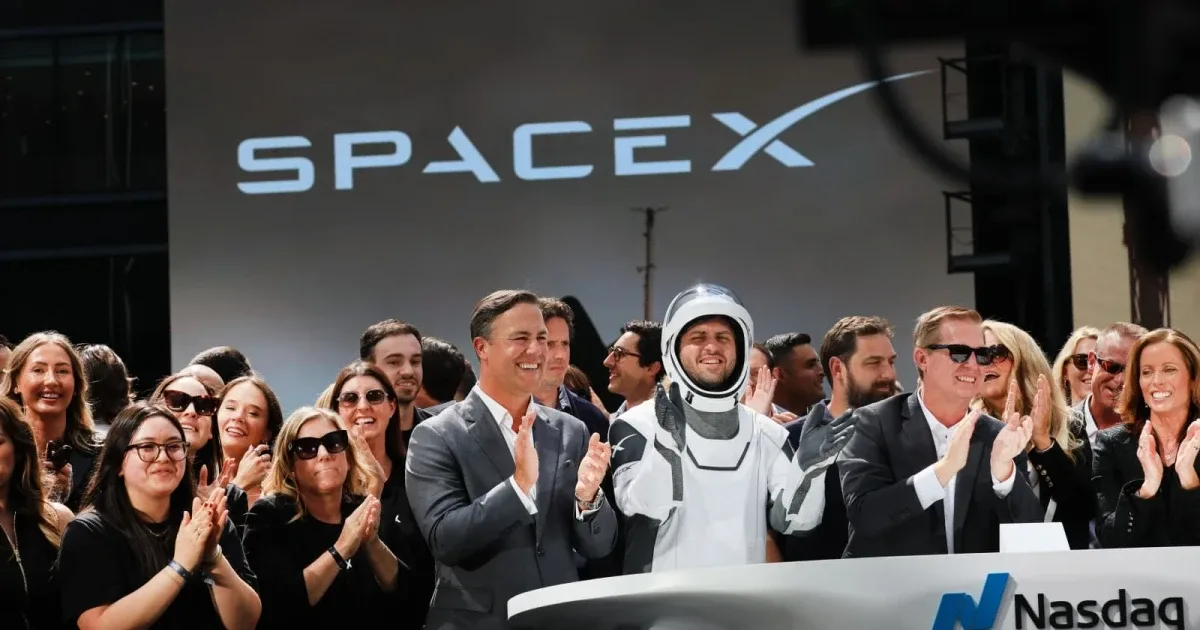
SpaceX has launched its initial bond offering mere days after completing a high-profile IPO, moving to secure additional funding to support its expansive growth plans. The company disclosed holding approximately $100.8 billion in cash and equivalents while issuing its first senior unsecured notes, signaling a strategic pivot toward long-term debt financing.
Despite raising around $85.7 billion through its public offering, SpaceX is opting to borrow in the bond market rather than diluting ownership by issuing more equity. The new notes, which rank equally with other unsubordinated debt, aim to fully repay existing bridge loans, cover associated fees, and bankroll general corporate needs. Analysts estimate the bond deal could reach at least $20 billion, with maturities spanning from five to 30 years, although specific terms remain undisclosed.

SpaceX’s rapid move to extend debt maturities aligns with its broader agenda: costly investments in AI infrastructure, Starship rocket development, and integration of its xAI initiatives. While Starlink revenues continue to grow, reporting suggests that the company posted a significant net loss as it funnelled substantial capital back into innovation and expansion.
The company recently secured a multi-year compute agreement with Reflection AI, potentially worth up to $6.3 billion. Under this deal, Reflection AI will pay a monthly fee for access to Nvidia GB300 GPUs hosted at SpaceX’s Colossus 2 data center near Memphis, Tennessee. This arrangement underscores the firm's commitment to becoming a key player in advanced AI computing alongside its aerospace ventures.
Overall, SpaceX’s financial maneuvers—combining a blockbuster IPO, a sizable cash reserve, and a large-scale bond issuance—illustrate a transformation from a speculative startup toward an industrial powerhouse demanding sophisticated capital structures to sustain its ambitious projects.