

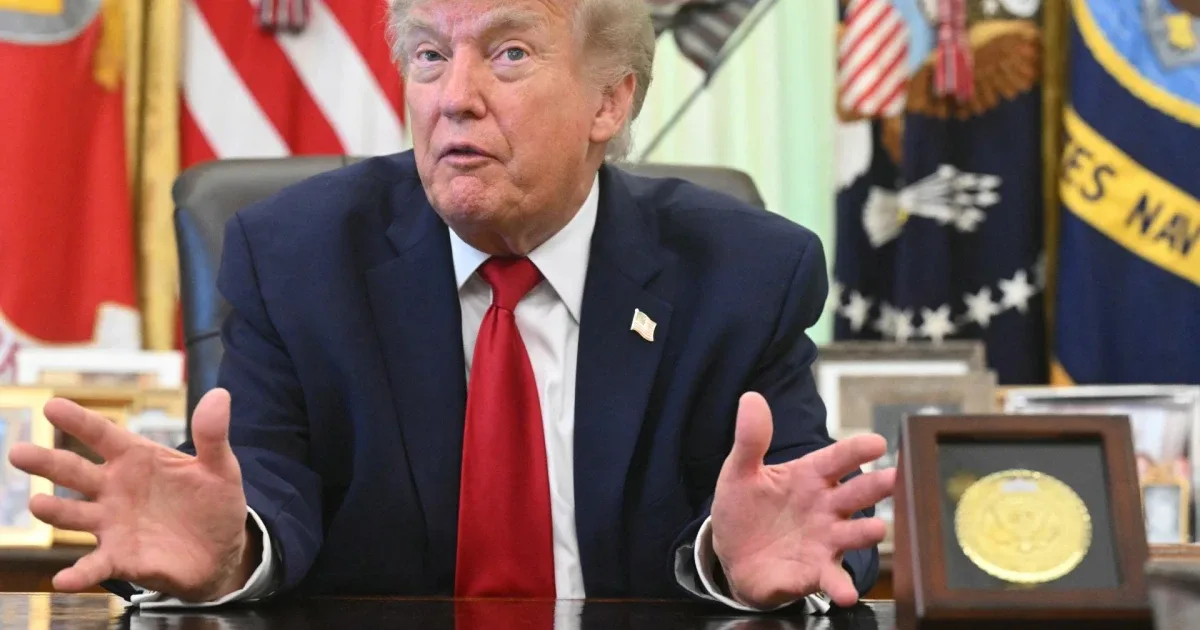
Donald Trump’s 2025 federal financial filing exposed a significant surge in crypto-derived income, exceeding $1.4 billion and highlighting the increasing role of digital assets in the president’s private finances. This disclosure detailed nearly $800 million revenue from World Liberty Financial, including token sales and company interest transactions, alongside over $600 million from royalties linked to Trump-branded meme coins. The White House defended these earnings, insisting there is no conflict of interest despite questions about the ethics of a sitting president’s family profiting from an industry closely intertwined with federal regulation and policy.
World Liberty Financial, a cryptocurrency venture launched by Eric Trump, Donald Trump Jr., and associates in late 2024, designates Donald Trump as co-founder emeritus. Independent analyses estimate the Trump family’s stake in multiple crypto projects since the president’s return to office totals at least $2.3 billion, a figure rivaled by reported losses from outside investors. These disclosures thrust renewed scrutiny on the sufficiency of current ethics and transparency rules when applied to emerging, lightly regulated industries like cryptocurrency.

Simultaneously, the Vatican announced a decisive disciplinary action against the ultratraditionalist Society of St. Pius X, a group long at odds with papal authority. After the society proceeded with consecrating four bishops despite a direct papal warning, the Vatican declared its members formally excommunicated and in schism. Founded in response to reforms from the Second Vatican Council, the group has maintained its adherence to the Latin Mass and resisted papal directives for decades. This move follows similar harsh sanctions imposed after unauthorized bishop consecrations in the 1980s.
These concurrent developments in Washington and Rome underscore shifting boundaries around institutional power and accountability. In the U.S., transparency mechanisms aim to manage the influence of private wealth aligned with government leadership, while the Vatican exercises doctrinal authority to preserve ecclesiastical unity amid dissent.