

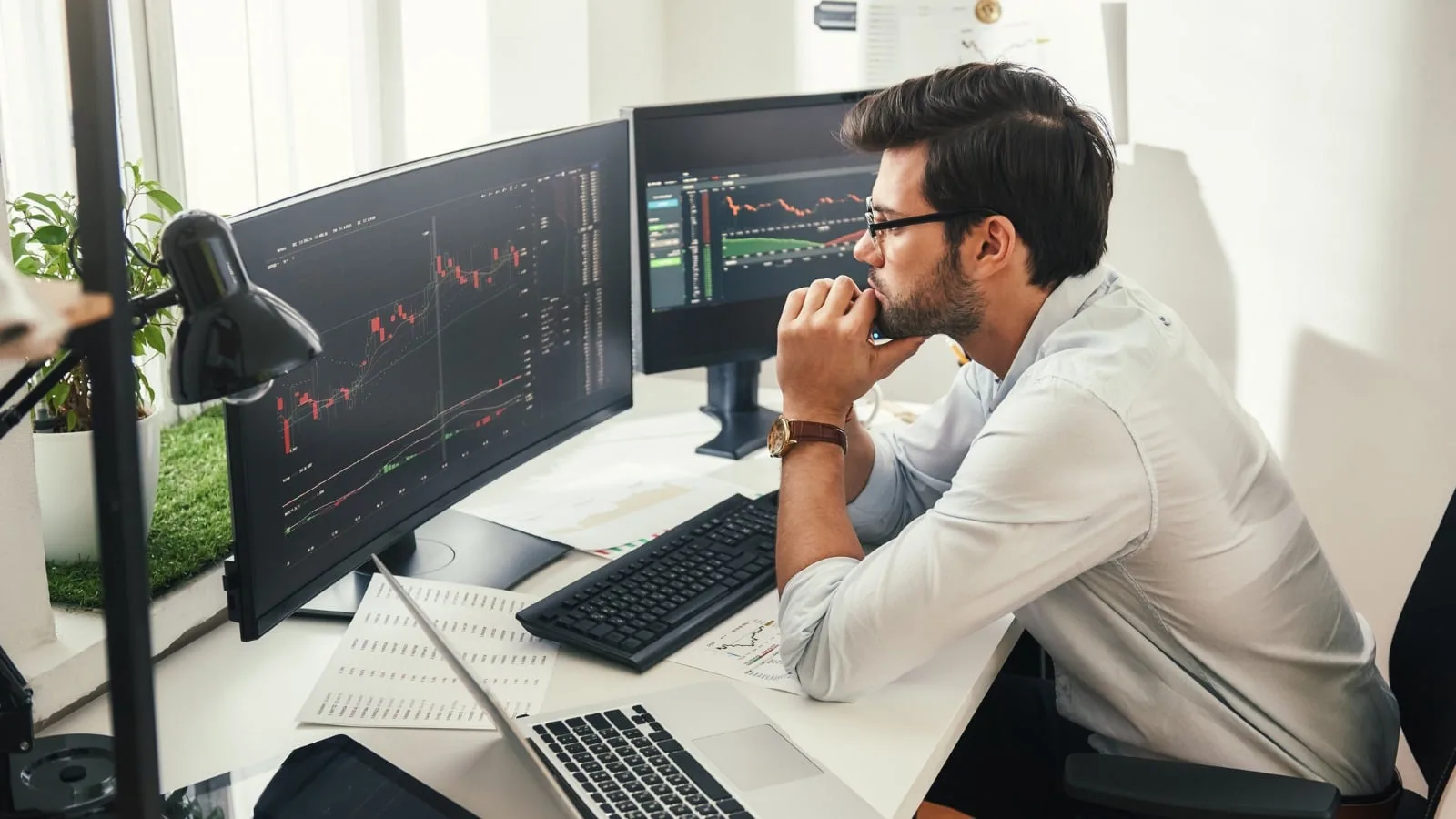
Recent trials of AI-driven stock trading systems on Wall Street have revealed significant limitations, with many bots failing to surpass even simple market benchmarks. While AI excels at processing vast amounts of data quickly, its performance in real-market conditions has been uneven, hindered primarily by an inability to exercise nuanced judgment.
The stock market demands more than speed and data analysis; it requires interpreting market signals, identifying transformative trends early, and maintaining conviction during turbulent periods. This human element of judgment remains a critical challenge for AI algorithms, as volatile conditions often lead these systems into irrational trades or costly whipsaws.

Investors have long speculated that AI could replace stock pickers, portfolio managers, and even entire hedge funds, given its capacity to monitor global markets continuously and analyze millions of data points effortlessly. Yet, practical experience shows that AI trading bots often falter under real-world complexities where adaptive decision-making is crucial.
This contrasts with successful investors who combine quantitative analysis with deep market insight. For example, some long-standing quantitative investment strategies identified major winners in past tech revolutions well before the broader market recognized their potential. Such foresight and discipline remain beyond AI, which typically lacks contextual awareness and the ability to judge transformational shifts in real time.
While AI undoubtedly represents a powerful megatrend that will generate significant wealth in the coming years, the current generation of AI stock pickers has not yet proven capable of replacing the strategic human role in investing. For now, the financial industry appears to benefit most from a hybrid approach, leveraging AI’s computational power alongside human expertise and judgment.