

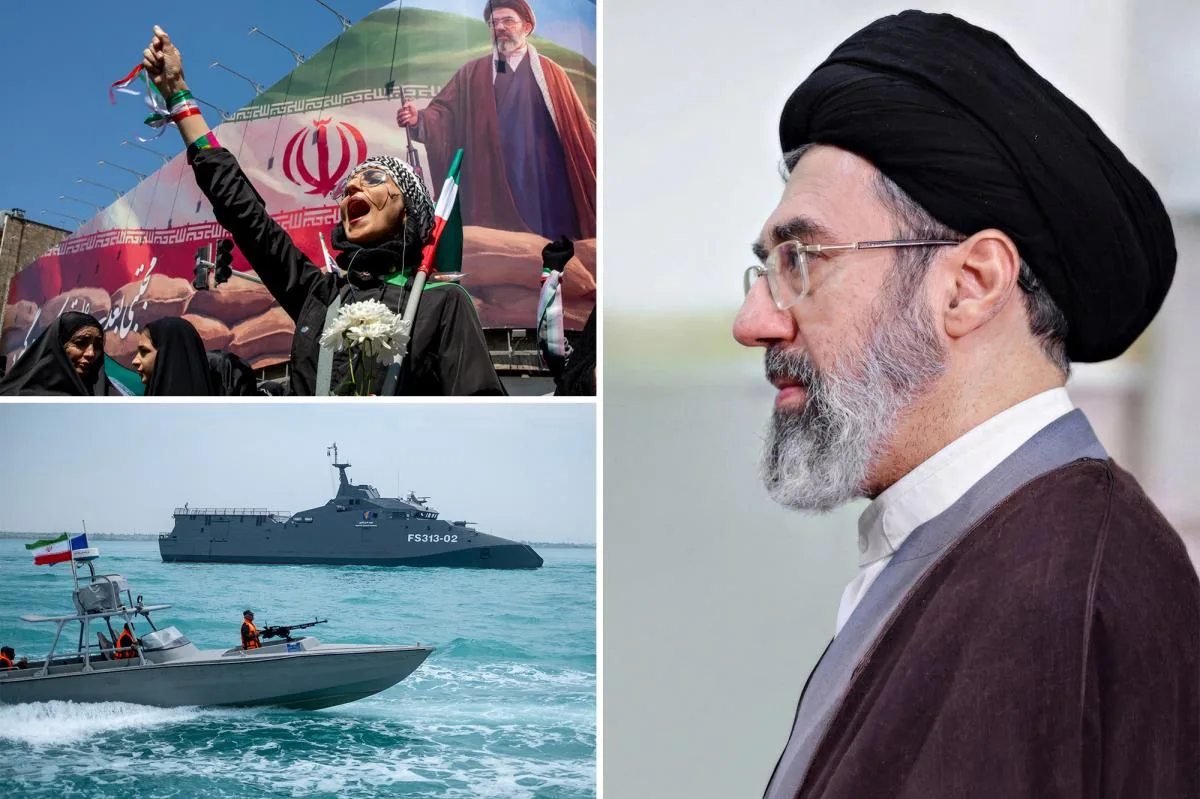
Mojtaba Khamenei, Iran’s recently appointed supreme leader, remains a central figure in the nation's strategy amid ongoing conflict, according to multiple US intelligence sources. Despite suffering severe injuries—including burns and the loss of a leg during early strikes—Khamenei continues to direct negotiations with the United States from an undisclosed safe location.
US intelligence reports indicate that the 56-year-old leader is avoiding electronic communication to remain hidden, relying instead on face-to-face meetings with senior officials or messages delivered through couriers. While his physical condition appears compromised, insiders close to Khamenei describe him as mentally alert and deeply involved in decision-making, particularly in peace talks mediated by Pakistan and efforts to reopen the strategic Strait of Hormuz.

Iranian state officials publicly maintain that Khamenei is in good health. Mazaher Hosseini, head of protocol in the supreme leader’s office, stated recently that Khamenei is recovering well after sustaining a minor shrapnel injury behind his ear. This contrasts with intelligence assessments that report widespread burns on his face, torso, arm, and leg. The supreme leader has remained largely absent from public view since March, communicating primarily through written statements rather than speeches or appearances.
Despite the veil of secrecy, Iran’s president recently confirmed holding a lengthy private meeting with Khamenei, highlighting the supreme leader’s vision and dedication to the Islamic Revolution. Meanwhile, the Islamic Revolutionary Guard Corps continues to manage daily operations in Tehran, allowing Khamenei to focus on high-level strategic and diplomatic efforts.