

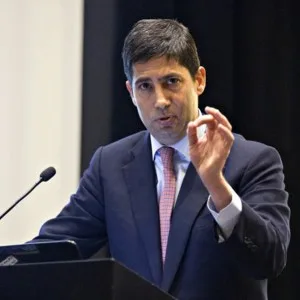
Bitcoin has climbed steadily, nearing the $80,000 mark for the first time since January, boosted by recent bullish momentum and a monthly gain of around 13%. This surge unfolds as Kevin Warsh prepares to assume the chairmanship of the Federal Reserve, positioning the cryptocurrency market at a pivotal intersection with U.S. monetary policy.
Warsh, known for his hawkish monetary stance, emphasized during Senate hearings that he intends to maintain the Fed’s independence and a firm approach to inflation control, rejecting early speculation about interest rate cuts. His statements caused Bitcoin prices to retreat slightly from their peak, reflecting investor caution over the Fed’s expected tighter monetary policy.

Historical patterns show that Bitcoin reacts strongly to macroeconomic policies: it soared during the quantitative easing phase of 2020-2021 but faced significant corrections in the tightening cycle of 2022. Analysts observe that Warsh’s commitment to a hawkish agenda indicates that the current liquidity-driven rally may face headwinds if inflation control remains the priority. However, his nuanced attitude toward digital assets introduces complexity into the outlook for cryptocurrencies.
Beyond his policy rigor, Warsh distinguishes himself as a crypto supporter, recognizing digital assets as integral to modern finance. He notably praised Bitcoin as “digital gold” for younger generations, hinting that it could become a regulatory standard within the evolving financial ecosystem. Yet, he remains skeptical about altcoins, dismissing some as dubious substitutes for money.
This dual approach—firm monetary discipline combined with a measured embrace of core blockchain technologies—frames the unique environment Bitcoin investors face in the new Fed era. While interest rates may not ease soon, Warsh’s engagement with the crypto sector suggests regulatory clarity and potential institutional adoption might strengthen over time.