

The Senate confirmed Kevin Warsh as the new chair of the Federal Reserve following a contentious vote, marking a significant shift in leadership at a critical moment for U.S. monetary policy. Warsh, known for his previous service on the Fed’s Board of Governors, will take over from Jerome Powell as the central bank confronts persistent inflation and uncertain economic conditions.
Warsh’s confirmation passed with a narrow margin closely aligned to party divisions, highlighting deep political divides over the Fed’s direction. He becomes the wealthiest person to hold the post and the 11th chair of the modern Fed era. Warsh’s appointment comes as markets grapple with unexpected acceleration in price pressures, complicating hopes for imminent interest rate cuts favored by President Donald Trump.

Earlier on the Fed Board, Warsh gained distinction as its youngest member and now returns amid geopolitical strains and a pending Supreme Court case involving another governor. The president’s preference for looser monetary policy was clear during the selection process, as Warsh was chosen from a broad group of candidates with rate cuts in mind. However, recent inflation data has softened expectations, and Warsh’s first Federal Open Market Committee meeting is set for mid-June.
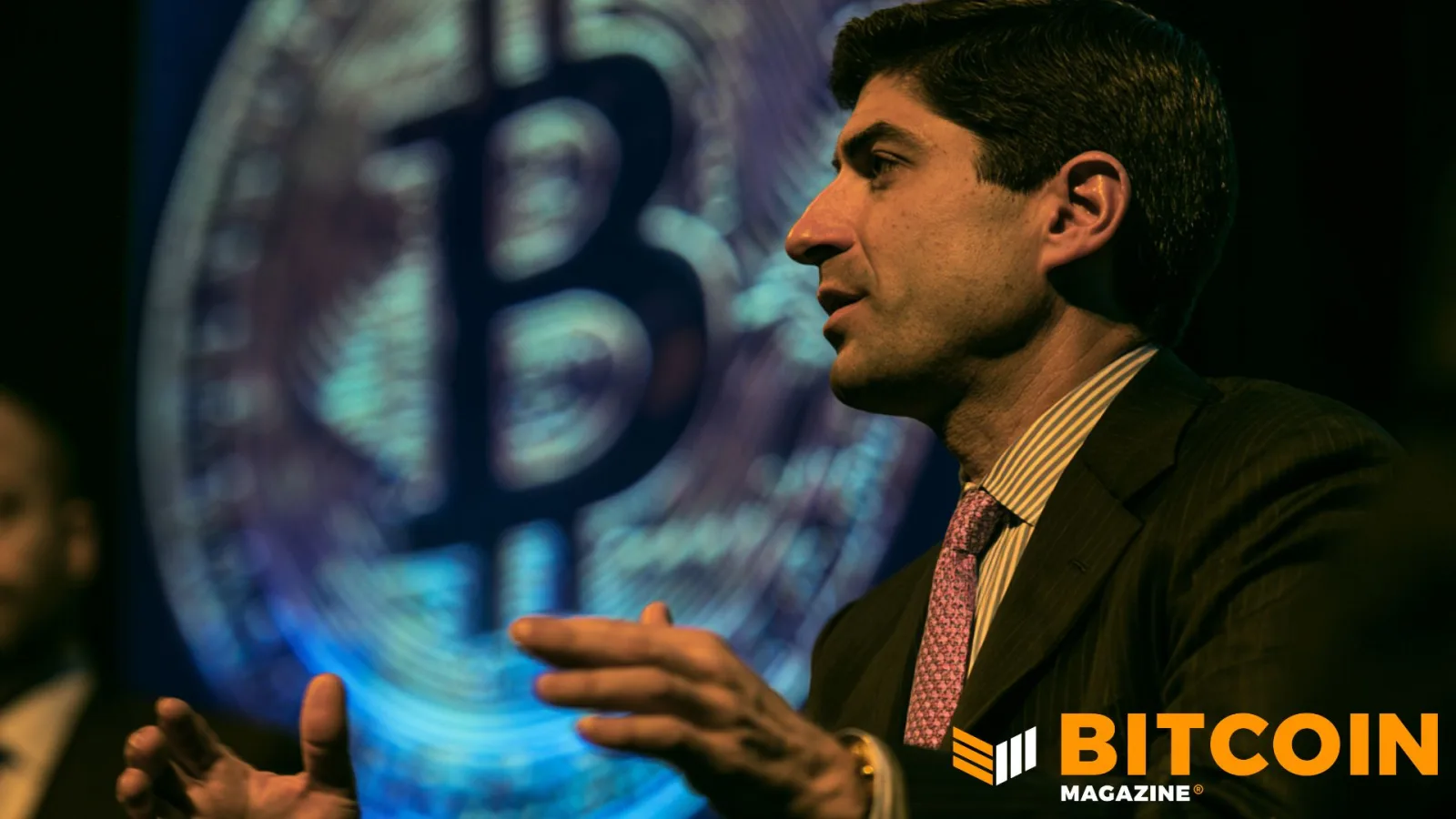
Warsh’s stance on cryptocurrencies sets him apart from predecessors. He holds direct investments in bitcoin-related ventures, including a bitcoin payments company and crypto investment firms, representing a historic first for a Fed chair. Warsh has publicly acknowledged bitcoin as a meaningful asset that signals market confidence rather than a threat, referring to it as a “good policeman” for policy and not a source of concern.
As Congress prepares to vote on the Clarity Act, a bill anticipated to clarify regulatory frameworks for bitcoin and digital assets, Warsh’s leadership could influence the broader U.S. approach to crypto. Supporters hail his disciplined monetary outlook as a catalyst for restored trust in the economy, while opponents voice concerns about potential White House interference in the Fed’s independence.