

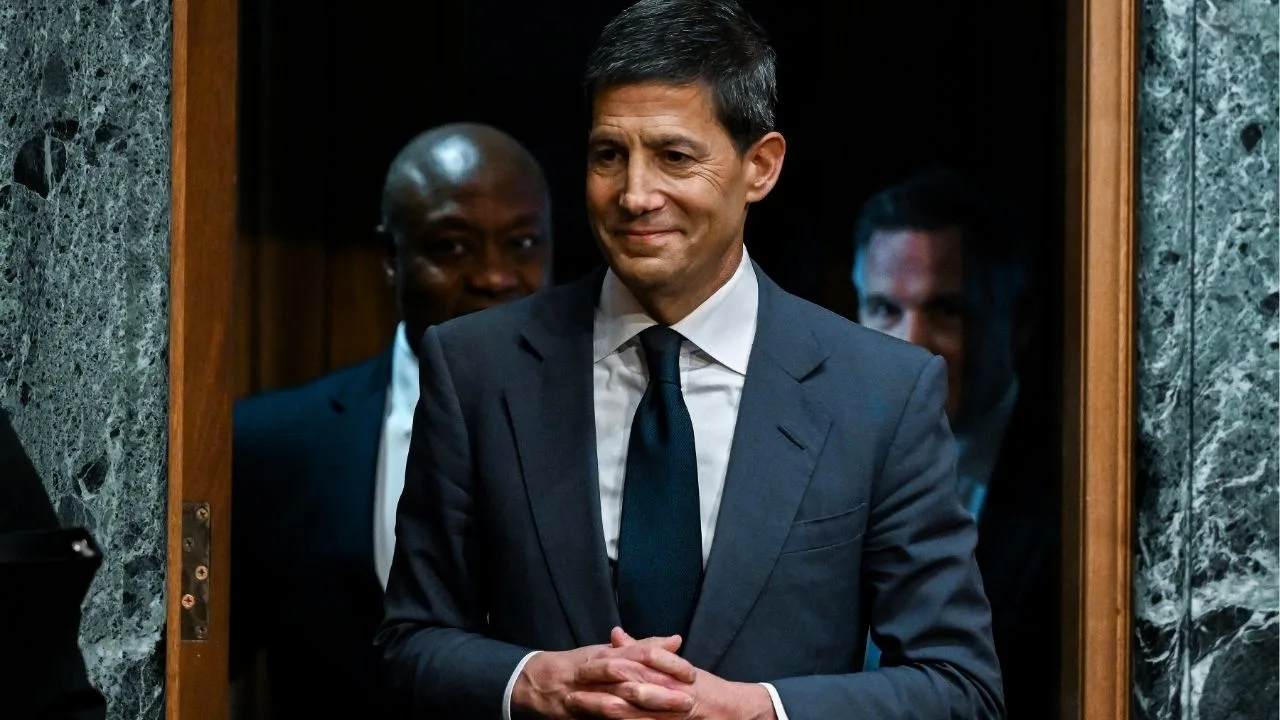
Kevin Warsh secured Senate confirmation as the next chair of the Federal Reserve, signaling a shift in leadership at the central bank during a period marked by political controversy. Warsh, nominated by President Donald Trump, won approval by a narrow 54-45 vote, with nearly all Democrats opposing the appointment due to concerns over his commitment to the Fed's traditional autonomy.
The new chair will replace Jerome Powell, whose term ends soon. Powell’s tenure was defined by intense pressure from President Trump, who publicly criticized the Fed for not lowering interest rates to his satisfaction and pursued aggressive measures aimed at undermining the institution's independence. This included threats to fire Powell, personal insults, and backing a Justice Department criminal probe into renovations of the Fed’s headquarters, which complicated Warsh’s confirmation process.

The Justice Department investigation, led by U.S. Attorney Jeanine Pirro, initially stalled Warsh’s nomination as Senator Thom Tillis blocked the appointment until the legal threats against Powell were dropped. Though Pirro relented last month, she maintained the potential to reopen the inquiry based on findings from the Fed’s internal watchdog. Powell requested this inquiry himself last year and has described the investigation as retaliatory for the Fed’s resistance to political pressure.
Despite the resignation of his chairmanship, Powell announced plans to remain on the Federal Reserve Board as a governor until his term expires, citing concerns over the damaging effects of political interference on the Fed’s credibility and effectiveness. His decision to stay could create a challenging dynamic with Warsh, who has promised significant changes in the Fed’s approach and governance.
Warsh’s prior experience includes a stint as a Fed governor from 2006 to 2011 and a career on Wall Street. His confirmation sets the stage for a potential “regime change” in how the Federal Reserve operates under mounting political scrutiny and heightened expectations from the executive branch.