

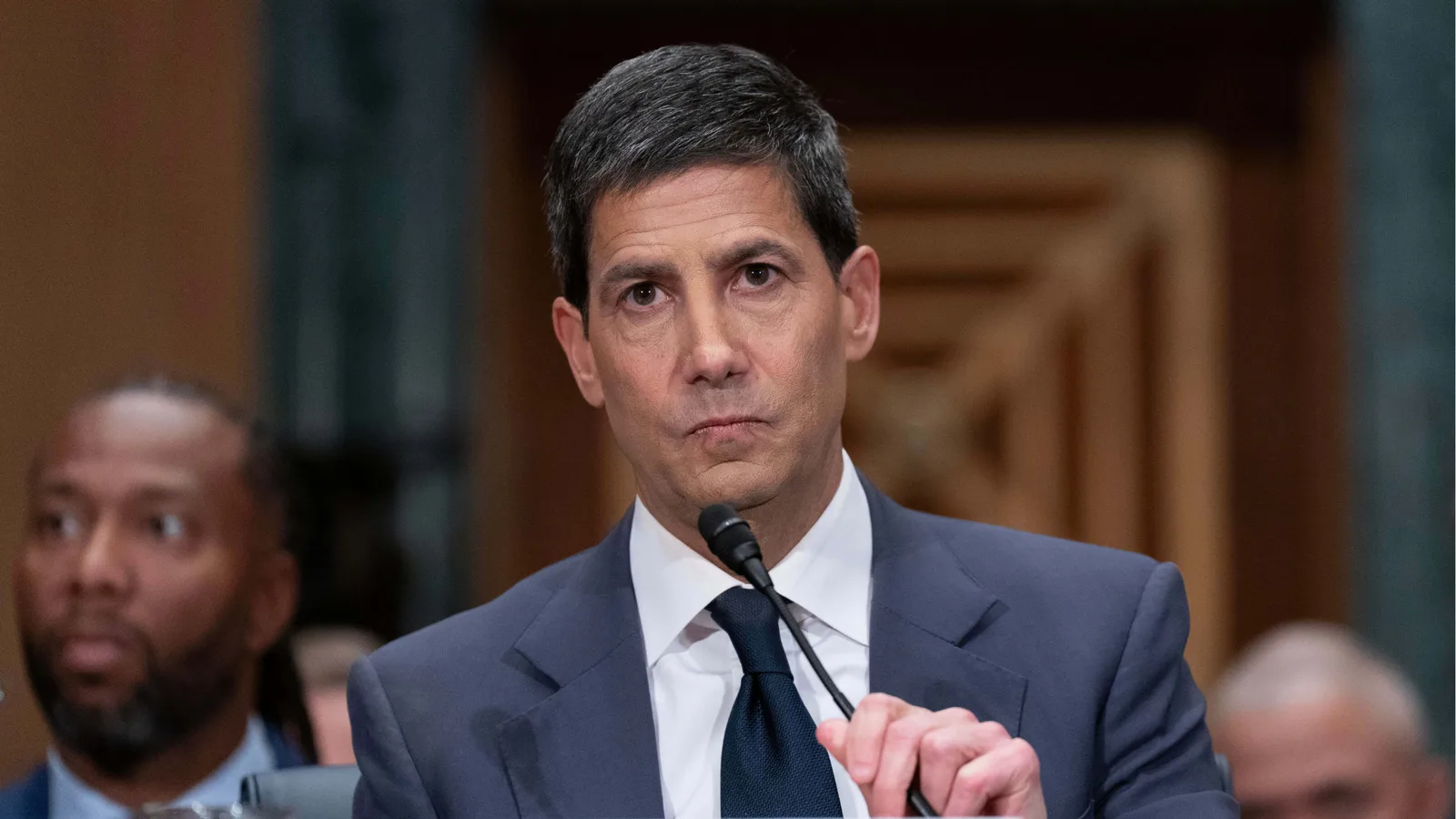
The Senate confirmed Kevin Warsh to lead the Federal Reserve, positioning him at the helm of the world’s most influential central bank during a turbulent economic period. The vote largely followed party lines after months of uncertainty tied to an investigation involving the outgoing Fed Chair Jerome Powell.
Warsh, a former senior Federal Reserve official, steps into the role as inflation remains above the Fed's target for an extended period and gas prices continue to surge. The Federal Open Market Committee has been visibly divided, registering the highest level of dissent in decades during recent interest rate decisions.

Senate Republicans rallied behind Warsh, with Senate Majority Leader John Thune highlighting Warsh’s understanding of both macroeconomic factors and the everyday realities of American workers. This backing became crucial after Republican opposition linked to a Justice Department inquiry paused Warsh’s confirmation. That inquiry, targeting Jerome Powell, was dropped, clearing Warsh's path to confirmation.
The Fed’s independence has been under significant strain following President Donald Trump’s repeated criticisms of Powell for resisting interest rate cuts. Trump also took aggressive stances against other Fed officials and launched investigations into Powell’s Senate testimony practices. Even after Warsh replaces him as chair, Powell plans to remain on the board, which observers say could split the Fed’s leadership.
White House economic officials have signaled confidence that Warsh will adopt a data-driven approach while managing interest rates, though Trump’s demands for rate cuts in response to stock market fluctuations have raised concerns about political interference. Democrats warned that Warsh’s chairmanship might reflect undue influence from Trump rather than economic evidence, recalling sharp criticism during confirmation hearings.