

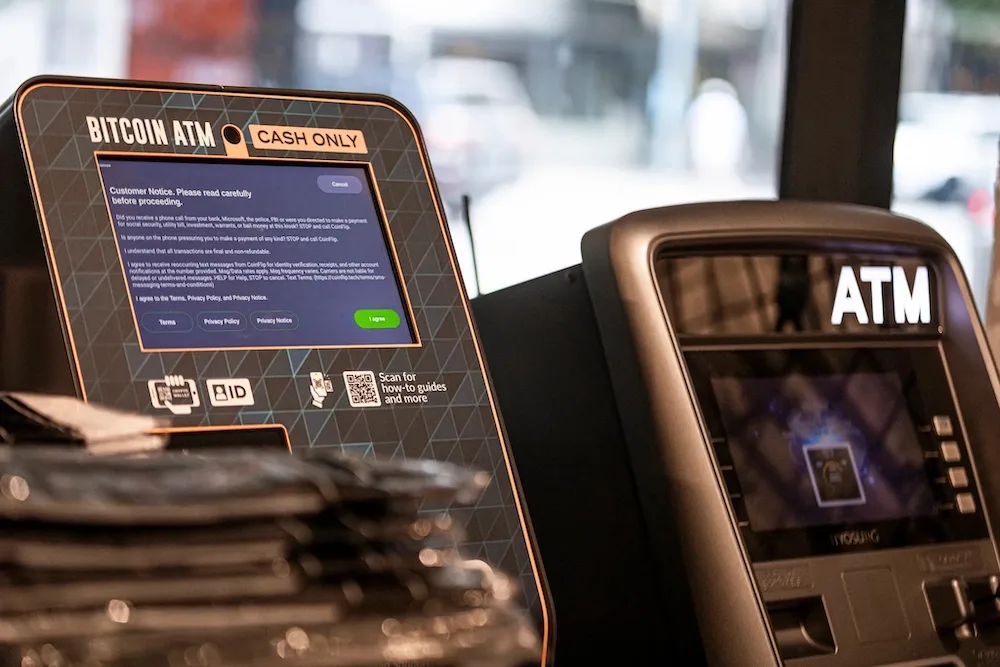
Texas saw a surge in cryptocurrency kiosk scams that drained almost $57 million from victims last year, making it the state with the highest financial losses nationwide. Fraudsters employed sophisticated tactics, including fake court documents and impersonating law enforcement, to coerce victims into depositing cash into Bitcoin ATMs installed in convenience stores and gas stations across the state.
The scams often began with threatening phone calls or messages claiming victims faced arrest or legal penalties due to fabricated charges. Scammers then instructed them to make bail payments through crypto kiosks, where cash was turned into cryptocurrency and transferred to untraceable accounts. While some victims lost life savings, others narrowly avoided losing money by recognizing the irregularity of the kiosks, highlighting the deceptive nature of the schemes.

Currently, Texas lacks specific regulatory oversight over crypto kiosks, creating a loophole that criminals exploit. Around 4,000 such machines operate statewide without monitoring, raising concerns among public safety officials and legislators. The FBI has noted a sharp increase in these kiosk-related frauds across the US, with other states responding by imposing restrictions or outright bans on the machines.
Victims told The Texas Tribune they experienced shame and reluctance to report the crimes, factors believed to contribute to underreporting and an incomplete picture of the fraud’s scale. These victims faced phone calls with caller IDs mimicking police departments or banks, sometimes yielding highly personalized information, increasing the scams’ plausibility.
In testimony before a Texas House committee, an expert from the Texas Financial Crimes Intelligence Center condemned the kiosks, calling them instruments primarily used for laundering illicit funds rather than for legitimate financial transactions. Advocacy groups and lawmakers are now pressing for comprehensive regulation to close the oversight gap and protect consumers from these pervasive scams.