

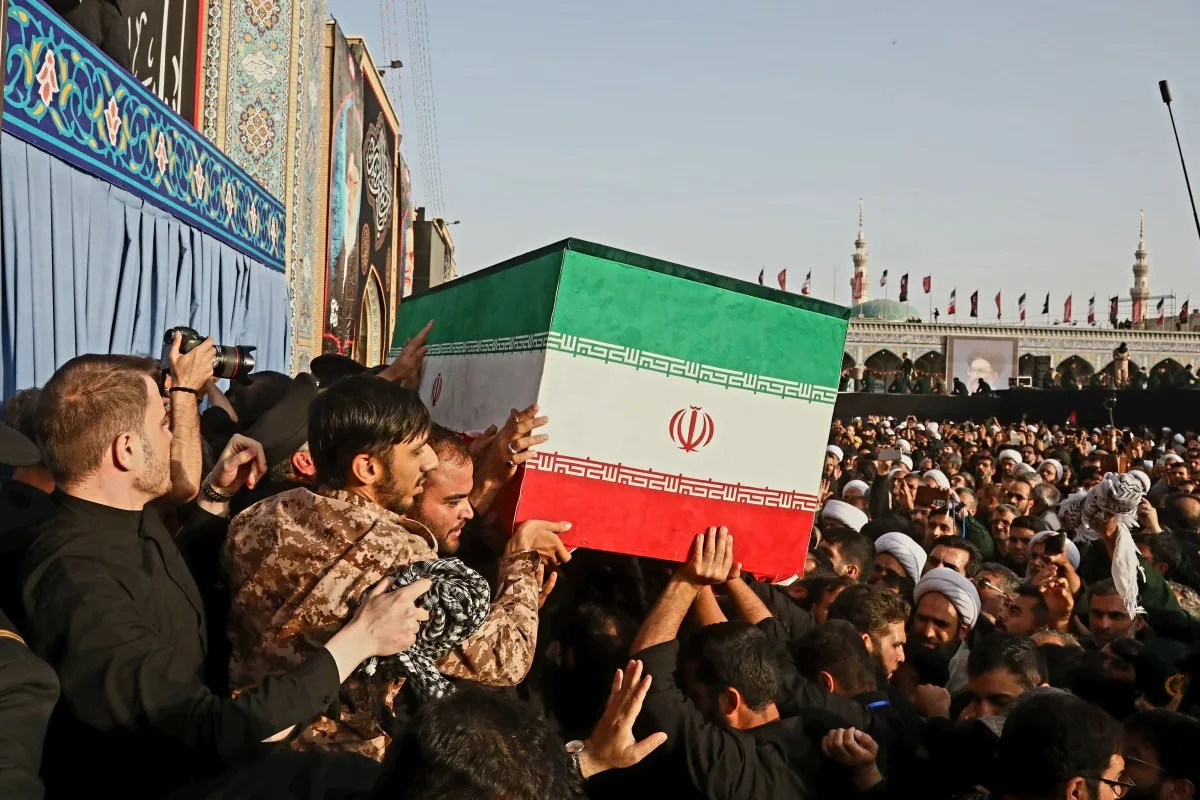
The United States resumed airstrikes on Iranian military sites shortly after President Trump ended a recent ceasefire during a NATO summit. The Pentagon confirmed the operations targeted Iran’s ability to threaten commercial vessels navigating the strategically vital Strait of Hormuz.
These strikes followed an earlier wave of US attacks the day before, as Washington responded to a series of Iranian drone and missile assaults on American installations in Bahrain and Kuwait. Although no significant damage was reported from Iran’s retaliatory attacks, Kuwait reported power outages caused by shrapnel from intercepted missiles and drones.

The conflict between the two countries had simmered during a fragile truce designed to ease sanctions and reopen key maritime routes while longer-term nuclear negotiations took place. However, this ceasefire rapidly deteriorated after the US revoked a critical sanctions waiver supporting Iranian oil exports.
In response to the escalating tensions, Iranian media linked to the Revolutionary Guards called for an official end to the ceasefire, while state broadcasts detailed multiple explosions and power outages along Iran’s southern coast. The Pentagon emphasized that these latest strikes aimed to hold Iran accountable for its recent aggressive actions against civilian maritime traffic and to deter further threats in the region.
President Trump indicated the US would continue applying military pressure, stating the strikes were significant and hinted at additional operations in the near future, while also asserting that the conflict might not escalate into a full-scale war.