

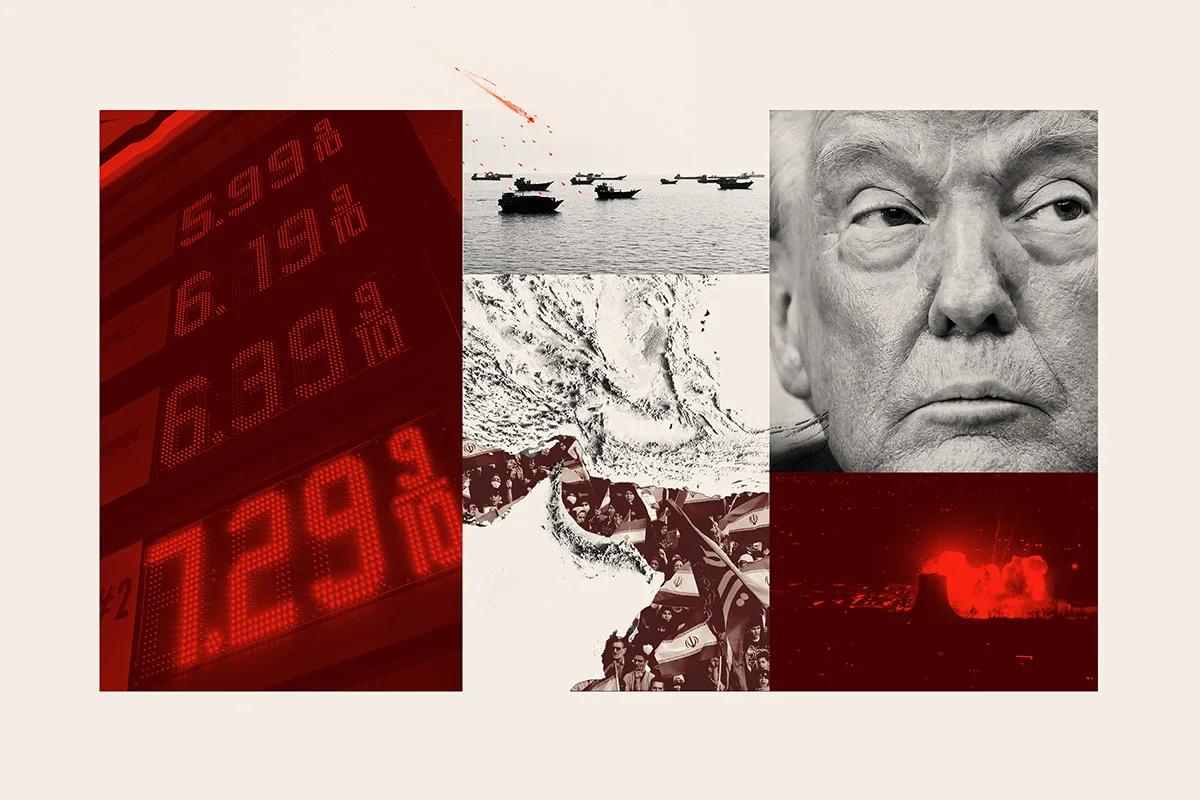
After over three months of military engagement with Iran, the United States faces a stalemate that challenges the perception of its uncontested global military strength. Although the US-led coalition succeeded in eliminating Iran’s supreme leader and damaging key military infrastructure, Tehran has endured the assault and continues to counterattack both militarily and diplomatically.
A critical dimension of Iran’s resistance has been its control over the Strait of Hormuz, a strategic chokepoint for global oil shipments. By leveraging this narrow waterway, Iran has significantly disrupted international energy supplies, contributing to rising fuel costs and war fatigue among the US public. This tactic serves as a potential model for other powers seeking to challenge US influence without direct warfare.

Experts note that this strategy could influence China’s approach to controlling key maritime passages, such as the Strait of Taiwan or the Malacca Strait, to further regional ambitions without conventional conflict. The conflict has prompted analysts to question the effectiveness of US political decisions even more than its military capabilities, suggesting that strategic missteps and unclear objectives limit operational success.
The Trump administration’s deliberate ambiguity over war aims has compounded these challenges. While preventing Iran’s acquisition of nuclear weapons remains a central objective, other goals such as degrading Iran’s missile program and fostering regime change have blurred the strategic focus. Reports from international bodies also suggest that despite damage to Iran’s nuclear sites, Tehran’s capabilities remain resilient.
This ongoing conflict underscores the complexity of modern warfare where conventional military dominance does not guarantee swift or decisive outcomes. The evolving situation offers valuable insights into the limits of US power and the innovative forms of resistance employed by adversaries.