

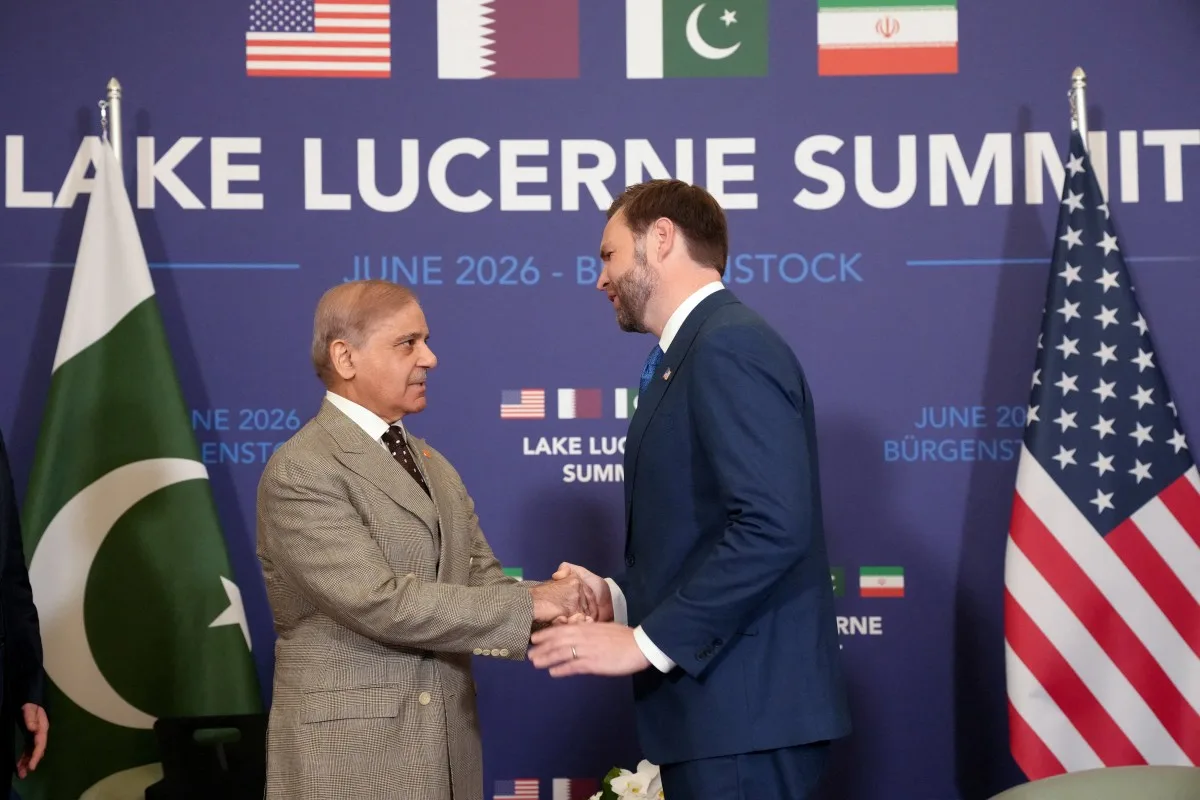
Pakistan continues to wield disproportionate geopolitical influence by skillfully positioning itself between two global superpowers, the United States and China. This balancing act enables Islamabad to secure ongoing economic and diplomatic support despite longstanding political and security turmoil at home. Its recent participation in high-level peace talks hosted in Switzerland underscores its pivotal role in regional issues, especially involving Iran, Qatar, and broader Middle Eastern security concerns.
Historically, Pakistan has used both its geographic location and nuclear capabilities to maintain relevance on the world stage. It initiated multiple conflicts with India, ranging from Kashmir disputes to the 1999 Kargil War, often shaping the regional security dynamics to its advantage. Pakistan was also an early mover in acquiring advanced military technology and conducting nuclear tests shortly after India, reinforcing its deterrence posture. Beyond South Asia, Pakistan has played critical roles in larger geopolitical contests, such as facilitating U.S.-China rapprochement in the 1970s and operating as a proxy for American interests against Soviet forces in Afghanistan.

Despite its strategic leverage, Pakistan faces deep structural problems. Its military institution dominates politics and controls vast economic interests, frequently accused of corruption and wealth accumulation abroad. Domestically, the army maintains political supremacy through constitutional amendments that centralize military command and influence electoral outcomes, exemplified by the highly contested elections of early 2024. While achieving tactical victories against militant groups, the army also struggles with setbacks in conventional warfare and internal governance crises.
The country’s policy of supporting armed groups like the Taliban as a means of securing strategic depth has backfired, exposing Pakistan to volatility on multiple fronts. Moreover, the terrorist elements once nurtured to extend Pakistan’s influence now threaten internal stability and political control. In the Middle East, Pakistan still exerts influence by positioning itself as a security provider to wealthy Islamic states such as Qatar and Saudi Arabia, leveraging religious and ideological ties reinforced by its nuclear status.
This entangled web of military dominance, diplomatic maneuvering, and domestic fragility encapsulates Pakistan’s approach to staying relevant on the global stage. However, the trend also highlights the risks of relying on asymmetric strategies and the internal contradictions undermining long-term stability.