

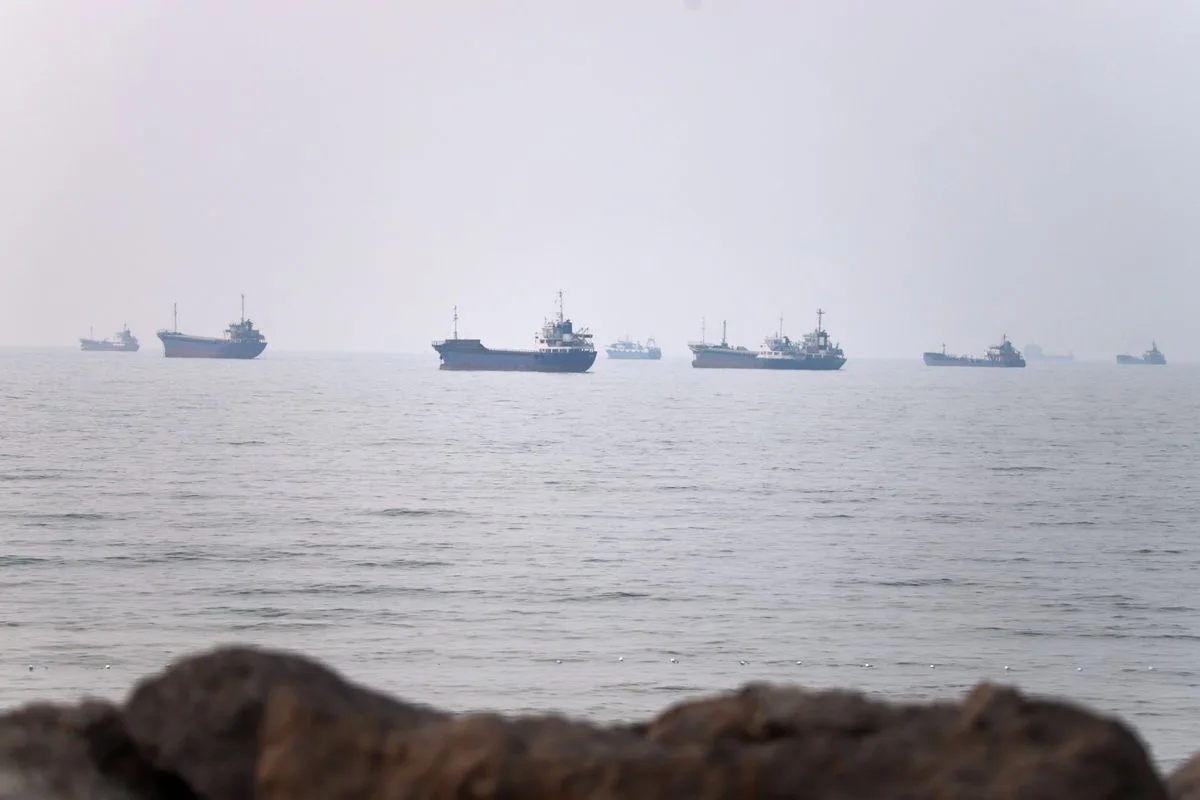
Iran’s joint military command issued a stern warning to all oil tankers navigating the Strait of Hormuz, stating that any vessel deviating from approved transit routes or ignoring Iran’s navigation protocols would face a “forceful response.” This decisive announcement escalates tensions in a key global energy corridor through which a significant portion of the world’s oil supplies pass.
The Strait of Hormuz, a narrow strategic waterway linking the Persian Gulf to the open ocean, frequently becomes a flashpoint in Middle Eastern geopolitics. Iran’s statement, broadcast by state media, followed diplomatic talks involving U.S. and Iranian officials mediated in Qatar, underscoring the fraught atmosphere surrounding control and security over this crucial passage.

Iran’s military authority emphasized that any breach of its prescribed routes would threaten vessel security and provoke an immediate reaction from its armed forces. Simultaneously, Tehran criticized the ongoing presence of U.S. fighter jets in the area, describing them as provocations that undermine regional stability and security.
The Iranian warning also explicitly identified U.S. interference in the Strait’s security as a threat to Iran’s national sovereignty, promising a swift and decisive response to such actions. This rhetoric compounds a broader dispute over Iran’s insistence on controlling shipping routes and imposing transit fees—measures strongly opposed by the United States and Gulf Arab nations, which advocate for free passage without charges.
As part of an interim agreement, Iran and the U.S. had previously consented to allow ships to transit the strait without passage fees for a limited period. However, Tehran’s push to assert control over routing and fees has challenged long-standing maritime norms, provoking regional unease.
Recent efforts by Oman and a United Nations agency to establish an alternative shipping route near Omani waters triggered a series of attacks across the Middle East, highlighting the fragile security environment. This context frames Iran’s current warning as part of its broader strategy to assert sovereignty over the Strait of Hormuz during a sensitive moment marked by ongoing conflicts and political transitions in the region.