

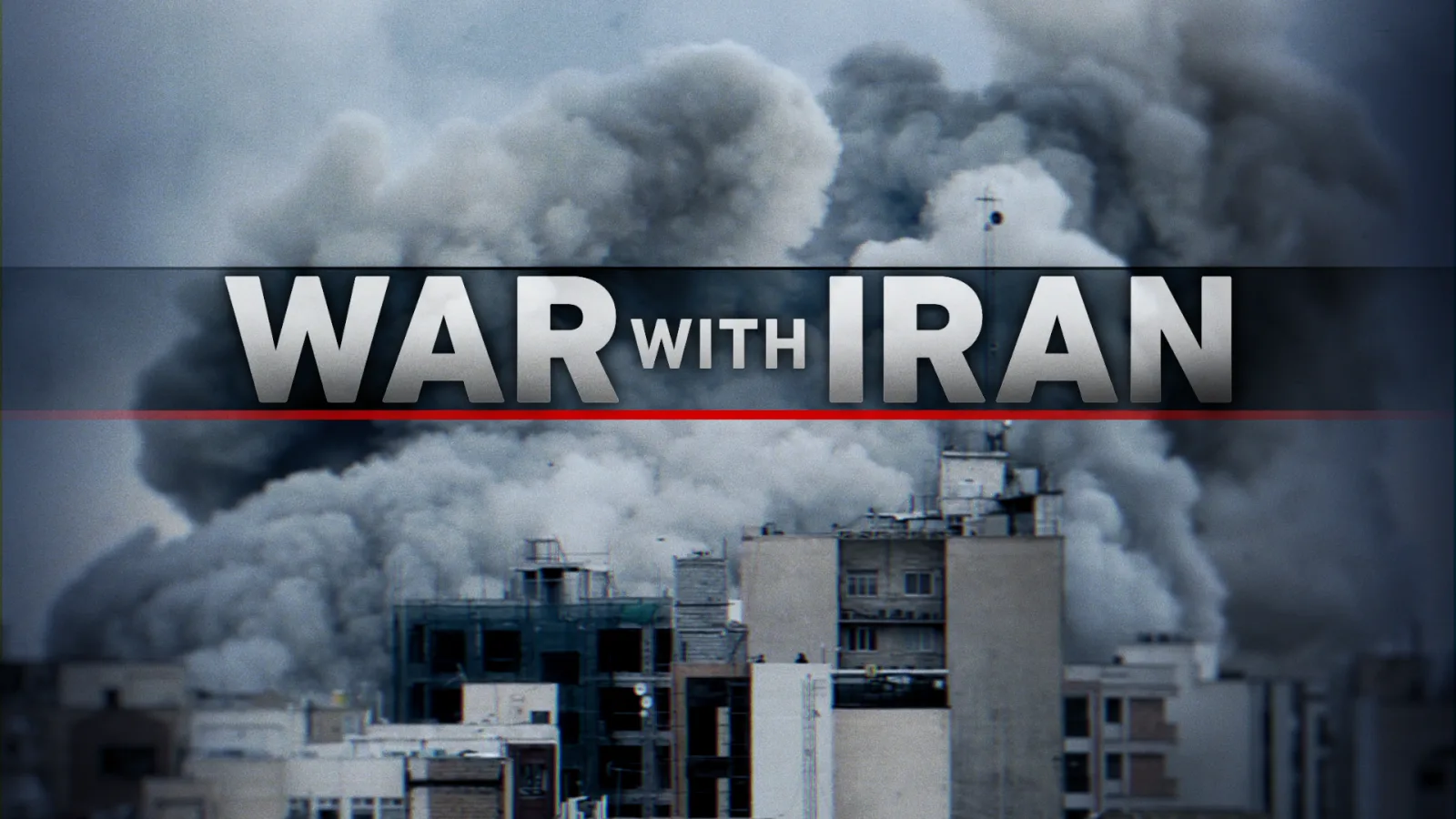
Iran fired multiple missiles and drones toward neighboring Kuwait and Bahrain in a sharp escalation following recent U.S. airstrikes, a U.S. official confirmed. The attacks mark a continuation of a growing cycle of military exchanges, with no reported casualties or significant damage to U.S. assets as the situation remains fluid.
These Iranian assaults came shortly after Tehran announced plans to retaliate for U.S. strikes on its military sites, which the U.S. launched earlier the same day. The American strikes targeted Iranian missile and drone storage locations, coastal radar installations, and communication systems in direct response to an Iranian drone assault on a Panama-flagged oil tanker near the Strait of Hormuz.

The drone attack on the oil tanker, confirmed by U.S. officials, triggered the latest round of U.S. actions aimed at hindering Iran’s military surveillance and drone deployment capabilities. The U.S. Central Command described its operations as a response to continued Iranian aggression against commercial shipping in the strategically vital Gulf region.
In reaction to the U.S. airstrikes, Iran’s Ministry of Foreign Affairs condemned the bombings as clear violations of the existing memorandum of understanding aimed at de-escalation. The Iranian government specifically cited damage to its coastal surveillance infrastructure as part of the targeted sites during the U.S. counterattacks.
President Donald Trump publicly addressed the escalating conflict, warning that the U.S. might be compelled to "militarily complete the job" if Iranian attacks persist. He criticized Iran for repeatedly violating the ceasefire agreement, emphasizing the possibility of a more forceful U.S. response that could threaten Iran’s existence as a state.