

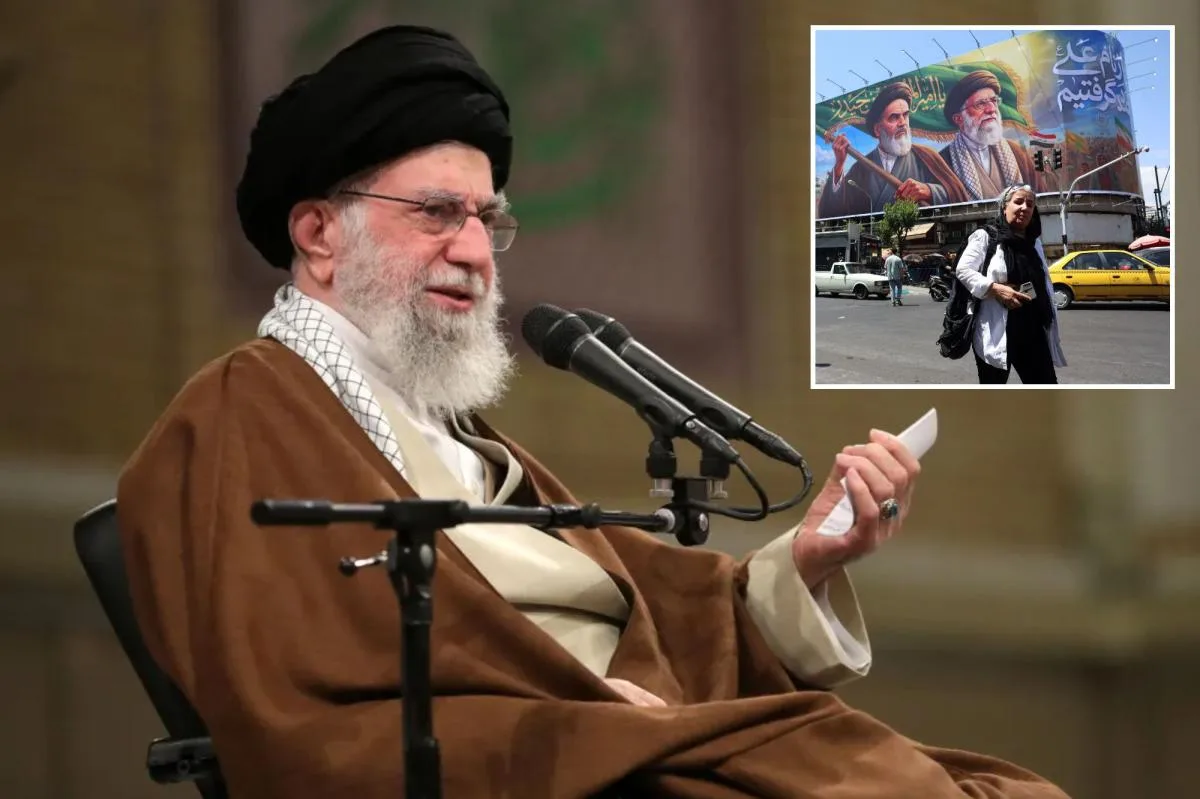
Iran is gearing up for the burial of Supreme Leader Ali Khamenei, scheduled weeks from now, more than four months after his death. Authorities have launched an unprecedented security operation and mobilized the Basij militia in anticipation of an enormous turnout, expected to draw millions.
The extended delay between Khamenei’s death and his funeral has sparked speculation about how his body has been preserved. Islamic tradition typically requires prompt burial and prohibits chemical embalming, presenting a religious and logistical dilemma. Experts suggest that cold storage refrigeration, rather than embalming, has likely been used to maintain his remains. According to counterterrorism analyst Dr. Mohammed Omar, Shia law permits delayed burial under exceptional circumstances, particularly with clerical approval, making refrigeration a plausible method.

Operation Epic Fury, a U.S. strike launched months ago, targeted Khamenei’s compound and resulted in his death. This action also killed several others, whose bodies were reportedly recovered weeks later through DNA identification. Dr. Omar noted that Khamenei’s body may have sustained significant damage from a bunker-penetration strike, complicating the presentation of his remains. The repeated shifts in funeral timelines and venues hint at challenges preserving or displaying the body.
Despite these difficulties, Iranian officials are framing the funeral as both a solemn farewell and a demonstration of strength, rallying public sentiment under the banner “We Must Avenge.” Funeral organizers project a monumental gathering, with millions expected to participate in various events across Tehran and Qom, a vital religious city for Shiite Islam.
Yaqoub Soleimani, one of the coordinators and a cultural figure at the Martyrs Foundation, declared the ceremony would proceed with full grandeur, aiming to etch the occasion as a defining moment in Iran’s national memory. Public viewings will begin days before the funeral procession, which local authorities estimate could attract 15 to 20 million people in Tehran alone. An additional procession will follow in Qom.
The state media highlight projections of attendance figures reaching upwards of 35 million nationwide, with representation expected from over 90 countries and thousands of accredited journalists covering the event. Security operations along with the mass mobilization underline the regime’s intent to transform the funeral into both a tribute and a political statement.