

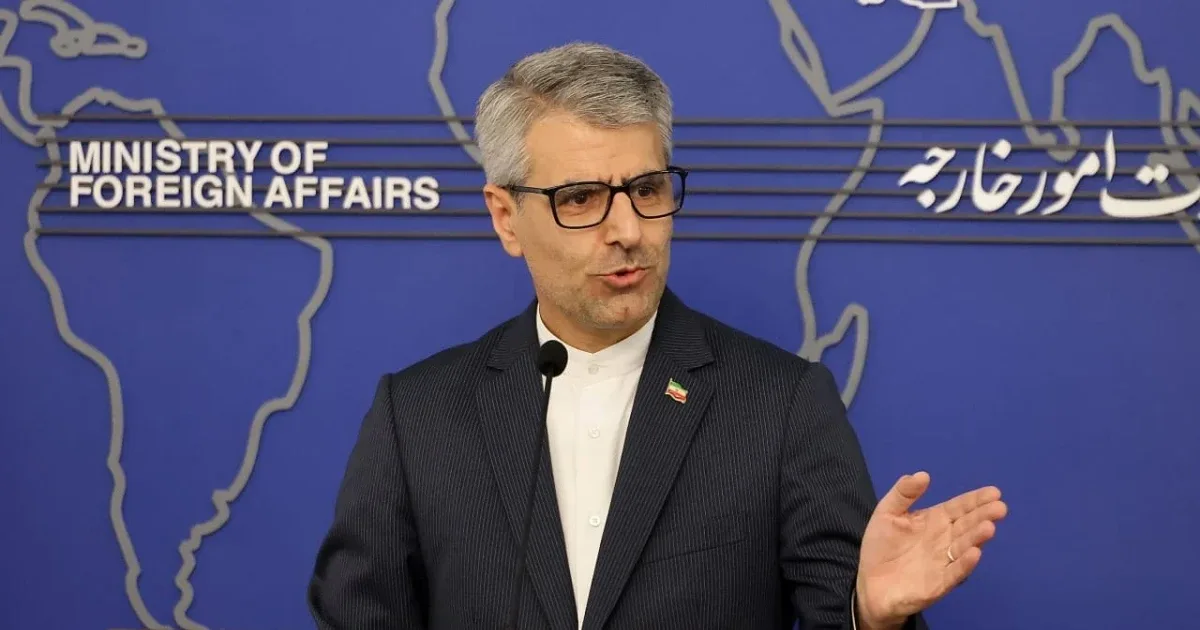
Iran swiftly refuted U.S. claims that it had consented to the return of United Nations nuclear inspectors to previously damaged sites. The Foreign Ministry clarified that no plans exist for International Atomic Energy Agency (IAEA) inspections of facilities impacted during a series of attacks earlier this year. This disagreement highlights deepening tensions between Tehran and Washington.
The standoff extends beyond nuclear oversight to strategic control of the Strait of Hormuz, a critical artery for global oil shipments. Recent confrontations have underscored the vulnerability of energy markets and maritime traffic, with U.S. gasoline prices surging amid fears of a prolonged blockade or conflict in the region. Reports indicated that disruptions contributed to a significant oil shock, pushing fuel prices sharply higher over a brief period.

The diplomatic deadlock followed talks between U.S. and Iranian officials in Switzerland, aiming to lay groundwork for a ceasefire and reopening of the strait alongside the resumption of nuclear negotiations. However, verbal threats from both sides have heightened the risk of escalation. The U.S. verbally warned of possible destruction of Iranian power plants if the strait remained closed, while Iranian military leaders threatened total closure in response to any American military action.
At the core of the nuclear dispute lies Iran’s refusal to allow inspectors access to sites damaged in June 2025 strikes that severely impaired IAEA monitoring capabilities. The agency confirmed these attacks undermined safeguards and nuclear security, citing damage at key facilities including Arak, Esfahan, Fordow, and Natanz. Maintaining oversight remains vital since Iran continues to be a party to the Nuclear Nonproliferation Treaty, which mandates inspections to verify peaceful nuclear activities.
The breakdown in cooperation traces back to the 2018 U.S. withdrawal from a 2015 multinational nuclear agreement, which had granted inspectors wide-ranging access. Since then, restrictions on oversight have intensified amid concerns over Iran’s stockpile of highly enriched uranium — reportedly enough to produce several nuclear weapons if further processed.