

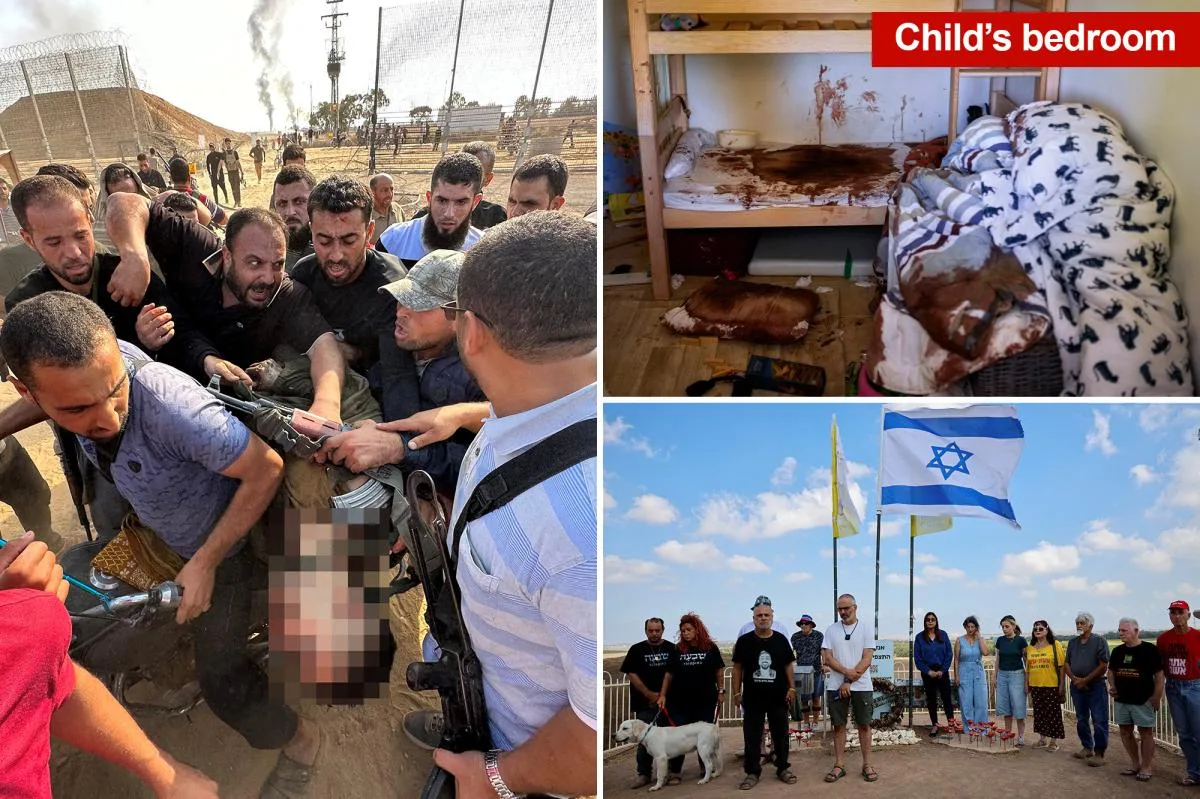
Israel observed the milestone of 1,000 days since the brutal Hamas-led attack on southern Israel that claimed more than 1,200 lives and resulted in hundreds being taken hostage. The assault began early morning, marking the start of a conflict that reshaped the region and tested Israel’s resilience.
In a statement posted on social media platform X, Israel’s Foreign Ministry highlighted the nation’s response to the massacre, emphasizing community rebuilding, the reopening of schools and businesses, and the revival of agriculture and tourism as symbols of persistence against terror. The ministry described Israel’s reaction as overcoming hatred with resilience and destruction with reconstruction.

Memorial events took place across the country, including silence at sites hit by the attack, such as the former Nova music festival location where fatalities and kidnappings occurred. Relatives and citizens gathered near Gaza border areas to honor victims and call for a formal state inquiry into the events. The memory of the tragedy remains vivid, sustaining public demand for justice and clarity.
American diplomatic representatives also joined the remembrance. The US Ambassador to Israel stressed the importance of never forgetting the victims and repeatedly asking how such an atrocity was allowed to happen. His remarks underscored the international attention the attack continues to command.
The Israel Defense Forces (IDF) marked the day by hosting a strategic conference reflecting on the ongoing War of Redemption, a military campaign initiated in response to the 2023 massacre. IDF Chief of Staff Lt. Gen. Eyal Zamir led the session, which included assessments by senior commanders and paused to honor the nearly 1,000 soldiers who have died since the attack.
The ceremony also featured archival audio of a wartime declaration made in the immediate aftermath of the assault, exemplifying Israel’s rapid mobilization. Personal accounts and footage related to the initial hours of the attack have continued to circulate as part of the public and military memory, underscoring the lasting trauma.