

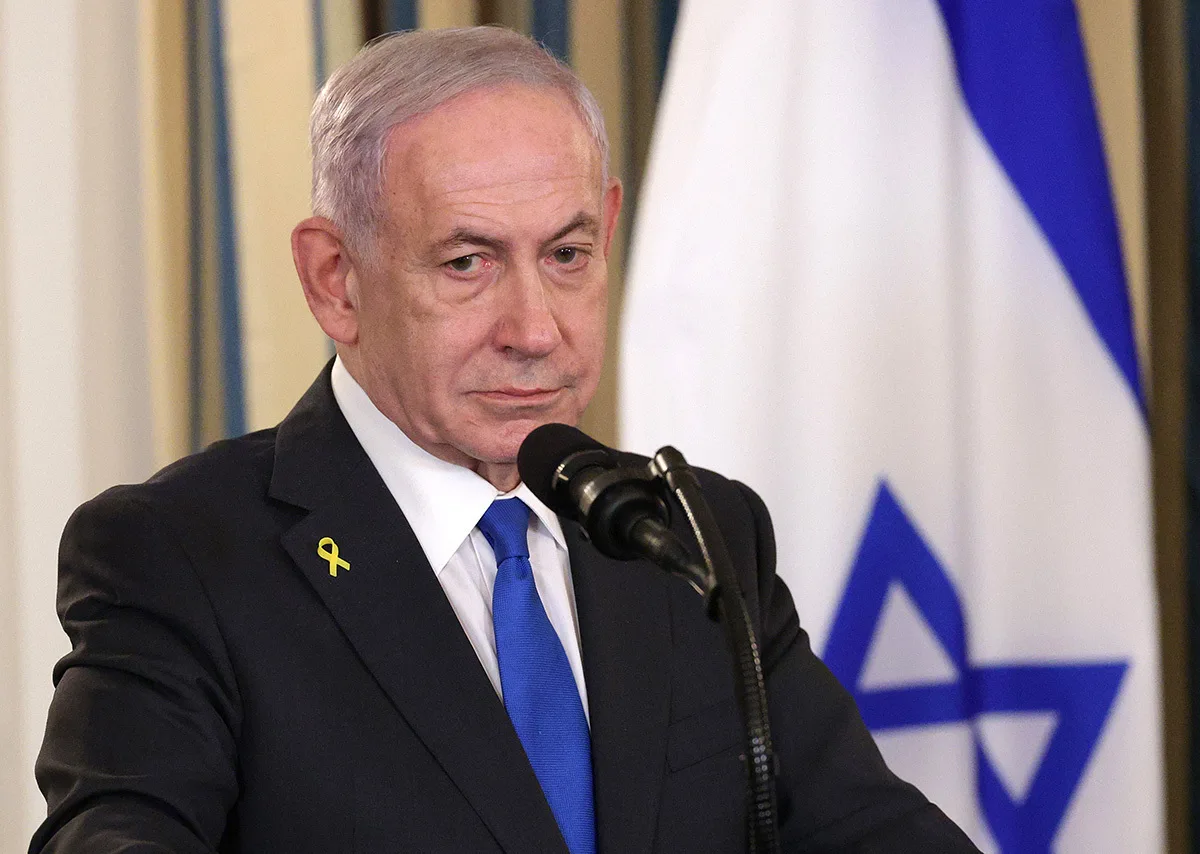
A leading Christian figure from southern Lebanon dismissed Israeli Prime Minister Benjamin Netanyahu’s statement that Christian villages in Lebanon have requested annexation by Israel. The claim surfaced as Israel intensified military operations targeting Hezbollah, a powerful Iran-backed militia entrenched in Lebanon.
Netanyahu previously asserted that some Christian communities, seeking protection from Hezbollah, had expressed a desire to be part of Israel. He expanded this claim to include other groups such as Druze and Sunni and Shiite Muslims purportedly seeking liberation from Hezbollah’s influence. However, Hanna Al-Amil, mayor of the Christian village of Rmeish, labeled these assertions as entirely unfounded. He emphasized that no towns in southern Lebanon have asked to join Israel, describing such a scenario as inconceivable given their strong patriotic bond to Lebanon.

The mayor underscored the vitality of these villages within Lebanon’s national identity, affirming that they embody deep-rooted patriotism and loyalty to their country rather than any affiliation with Israel. A senior official from the Lebanese Kataeb Party, a political group opposed to Hezbollah, also refuted Netanyahu’s claim. The official stressed that the residents neither seek Israeli occupation nor align with Hezbollah, framing the situation as a struggle against siege rather than a matter of choice or allegiance.
Meanwhile, Israeli and Lebanese authorities plan to resume talks in Rome, aiming to address longstanding security concerns and regional stability. Israeli Ambassador to the U.S., Yechiel Leiter, stated Israel does not harbor territorial ambitions in Lebanon and intends to remain until the Lebanese Armed Forces take concrete steps to disarm Hezbollah.
Last month, a U.S.-backed agreement ratified mutual recognition between Israel and Lebanon, establishing a shared objective of securing lasting peace. The accord highlighted Israel’s military actions as responses to threats posed by Hezbollah, which has launched attacks against Israeli territory. This ongoing dynamic underlines the complex interplay between local Lebanese communities, regional militias, and Israeli defense strategies.