

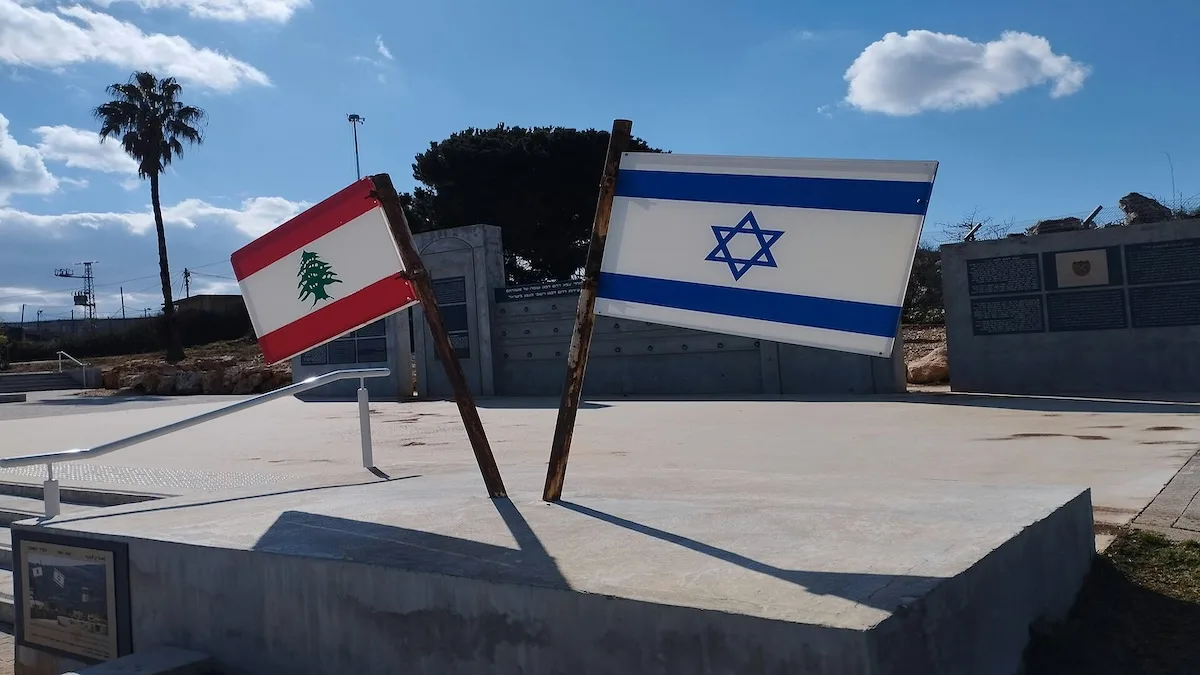
Lebanon and Israel have entered their third round of direct talks, a notable shift in a long-standing conflict marked by hostility and indirect negotiations. These discussions address sensitive issues such as border disputes, ongoing Israeli military operations, and the contentious subject of Hizballah’s disarmament. Driven largely by the United States, the talks aim for a broad peace and security framework but hinge on Lebanon’s willingness to take concrete action against Hizballah, a powerful armed group backed by Iran.
The Lebanese government faces a complex dilemma: it officially supports the disarmament of Hizballah, yet pushing this agenda risks alienating large segments of the Lebanese population and provoking retaliatory threats from Hizballah and its sponsors. Despite being heavily affected by past conflicts with Israel, Lebanon cannot realistically request Israel to continue its military campaigns, which have caused extensive civilian suffering and displacement. Lebanese officials understand, however, that Israeli strikes will persist as long as Hizballah maintains its arsenal, regardless of diplomatic efforts.

Within Lebanon, tensions run high over how to reconcile its official stance with political realities on the ground. The Lebanese Armed Forces claim they can challenge Hizballah’s dominance, particularly while the group remains under Israeli pressure. Yet this prospect raises fears about potential fractures within the military, especially among Shia soldiers who may resist orders against Hizballah due to sectarian loyalties. Polling data highlights this divide, showing widespread national support for disarming Hizballah except among the Shia community, where only a minority favors exclusive state control over weapons.
Lebanon’s negotiation team, led by its ambassador to the United States, is focused on communicating the government’s official positions rather than advancing new initiatives. This cautious approach underscores Lebanon’s precarious position as it tries to satisfy international demands without provoking internal destabilization. The outcome of these talks remains uncertain as Lebanon attempts to walk a narrow path between external pressure for peace and internal political realities that sustain Hizballah’s influence.