

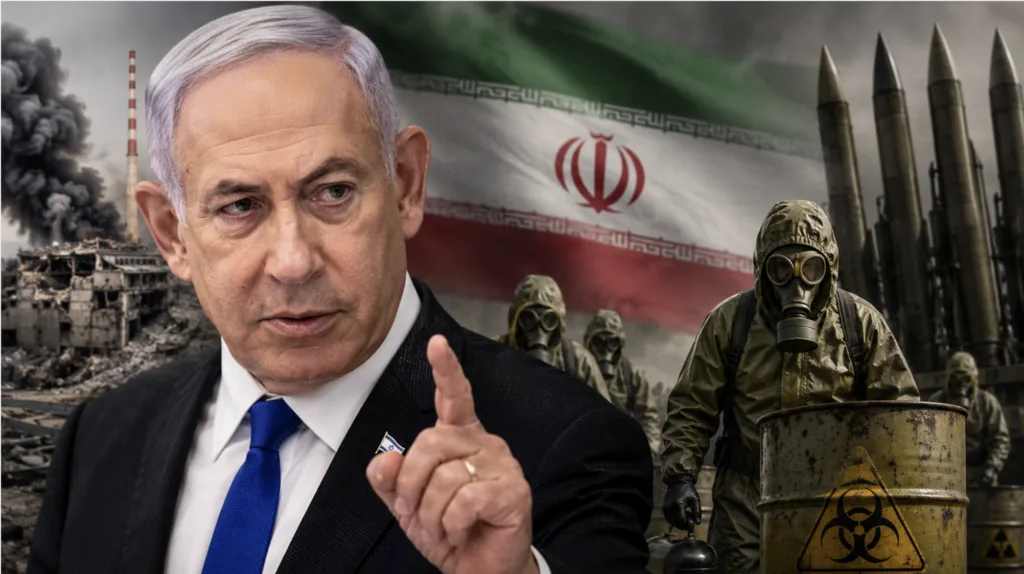
Israeli Prime Minister Benjamin Netanyahu has publicly declared that Iran continues to hold a chemical weapons arsenal, highlighting it as a persistent threat amid ongoing regional tensions. Speaking in an interview on Newsmax’s The Record With Greta Van Susteren, Netanyahu stressed that despite successful efforts to undermine Iran’s nuclear capabilities, its chemical weapons remain a serious concern for Israel and its allies.
Netanyahu described the impact of Operation Roaring Lion, a coordinated campaign by Israeli and U.S. forces targeting Iran’s nuclear infrastructure. The operation reportedly destroyed numerous centrifuges, manufacturing sites, and laboratories essential to Tehran's nuclear development, while eliminating key nuclear scientists involved in the program. The Israeli leader credited these strikes with significantly delaying Iran’s progress toward weapon-grade nuclear material.

However, Netanyahu warned that these setbacks do not signal a permanent defeat. He compared the campaign against Iran’s nuclear ambitions to removing a cancerous growth, cautioning that the threat could resurface if vigilance falters. The Prime Minister emphasized the continued need for pressure and preparedness, highlighting the ongoing dangers posed by Iran’s military capabilities, particularly its ballistic missile program, which poses risks to both regional and American security interests.
Netanyahu also referenced Iran’s hostile posture toward the United States, noting that threats against American leadership and interests necessitated decisive intervention. He portrayed the Iranian regime as deeply unpopular within its population, estimating that a vast majority of Iranians oppose the government’s repressive tactics, which have resulted in widespread internal violence and economic hardship while elites maintain lavish privileges.
The Prime Minister underscored the severe damage inflicted on the Islamic Revolutionary Guard Corps’ infrastructure, which has contributed to the regime’s internal strain. This ongoing pressure, combined with public dissent, could influence Iran’s future trajectory amid a complex geopolitical struggle involving Israel, the U.S., and other Middle Eastern actors.