

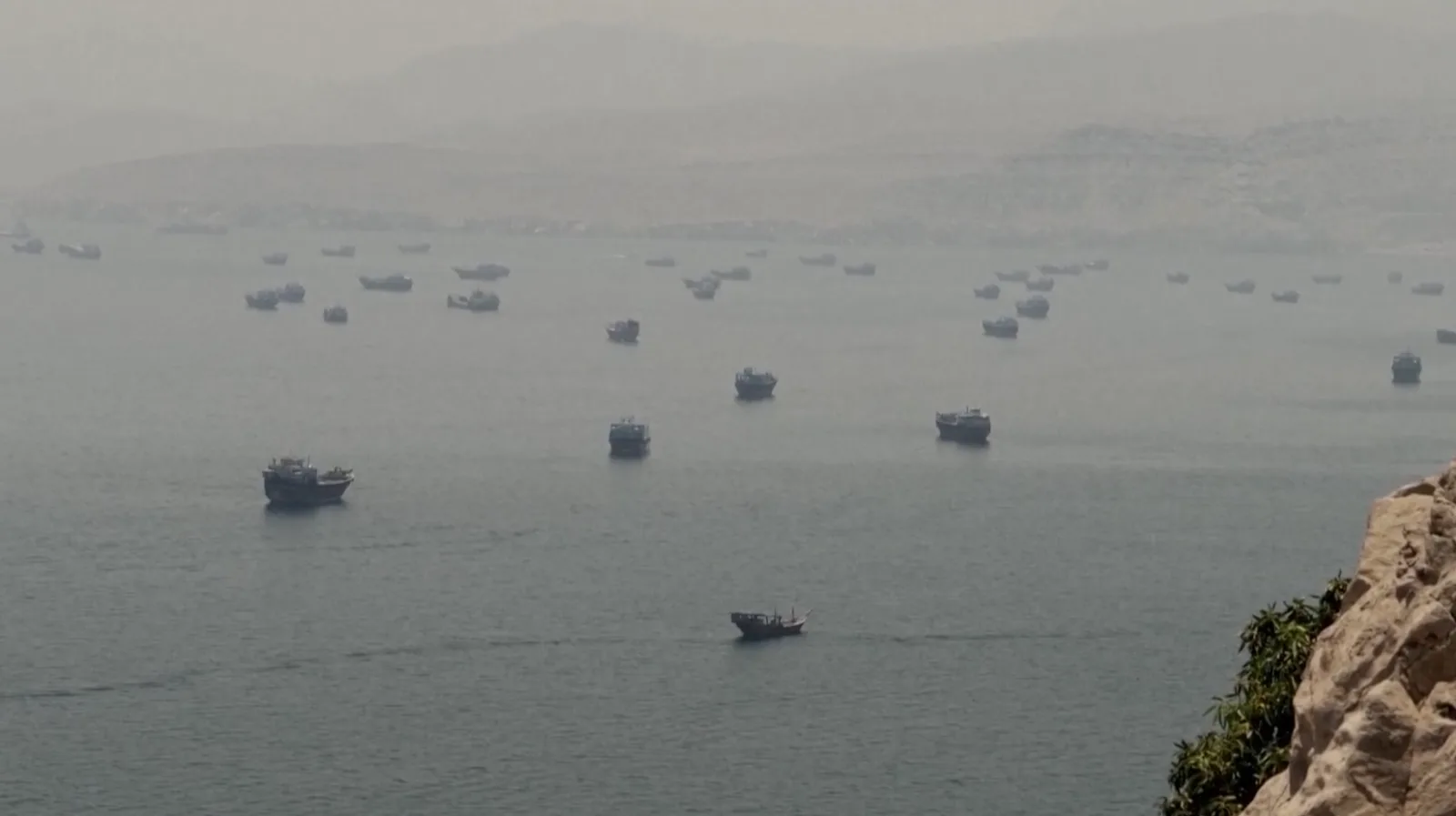
The fragile pause in hostilities between Iran and the United States faces serious jeopardy following a new exchange of attacks in the Gulf. Iran targeted U.S. military installations after American forces conducted airstrikes on several Iranian sites, a response to Tehran’s recent assaults on commercial vessels navigating the Strait of Hormuz. This waterway is critical, as a significant share of the world’s oil and natural gas passes through it.
The U.S. Central Command indicated that strikes focused on Iranian air defense systems, radar installations, and a flotilla of more than 60 small boats belonging to Iran’s paramilitary Revolutionary Guard. These boats have been instrumental in Iran’s ability to disrupt shipping in the strait, which was near complete paralysis during the conflict’s earlier phases. Iran’s leverage over the strait became a strategic advantage that pressured international markets and escalated global energy prices.

President Donald Trump intensified doubts about the ceasefire’s sustainability by declaring it “over” when asked about its status. Although he permitted U.S. representatives to continue diplomatic negotiations, he expressed skepticism about their prospects, suggesting the talks might be futile. This statement came amid rising oil prices that surged after his comments, reflecting market worries over renewed conflict and restricted fuel shipments.
The planned negotiations were slated to commence following a multi-day funeral for Iran’s Supreme Leader Ayatollah Ali Khamenei, who died early in the war. The period of mourning in Shiite holy cities was intended to quell tensions and create space for dialogue on contentious issues, including reopening the Strait of Hormuz fully and curbing Iran’s disputed nuclear program.
Meanwhile, Iran’s Parliament Speaker Mohammad Bagher Qalibaf reinforced Tehran’s stance, rejecting pressure from the West and vowing no concession. These developments come amid fears that any breakdown in the ceasefire could spark broader conflict across the Middle East, further destabilizing a region vital to global energy supplies and security.