

The latest hostilities in the Gulf unfolded as the U.S. launched strikes against multiple Iranian military targets following attacks on ships in the Strait of Hormuz, a critical energy passage. Tehran responded by targeting American military sites, intensifying fears of a broader conflict in the already volatile region.
U.S. forces struck air defense systems, radars, and dozens of small boats linked to Iran’s paramilitary Revolutionary Guard, which have repeatedly menaced commercial shipping in the strait. This waterway previously carried a significant portion of the world’s oil and gas before the outbreak of war, making its security key to global energy markets. In response to these developments and President Donald Trump’s remarks, oil prices surged sharply.

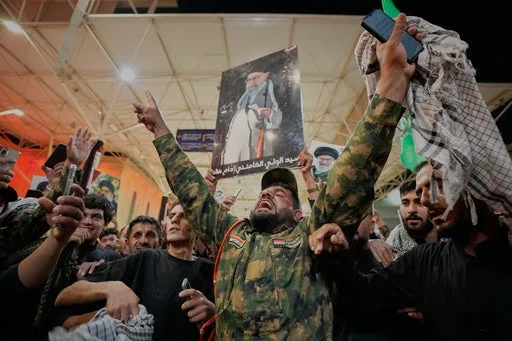
Trump challenged the viability of the interim ceasefire, stating the pause in hostilities was effectively over. Although he said negotiations could continue, he expressed skepticism regarding their success. These comments undercut a fragile calm meant to endure through the period of mourning for Iran’s late Supreme Leader Ayatollah Ali Khamenei, whose death earlier in the year had initially raised hopes for reduced tensions.
Iran’s leadership rejected pressure and maintained a defiant stance, with Parliament Speaker Mohammad Bagher Qalibaf declaring the "era of bullying and extortion is over." Tehran remains focused on key negotiation points, including reopening shipping lanes and managing its nuclear ambitions, but escalations on the ground complicate diplomatic efforts.
The U.S. Central Command framed its strikes as punitive measures aimed at deterring Iranian attacks on civilian vessels. The military underscored its readiness to respond if Iran failed to comply with the terms intended to prevent further disruption in the region. Despite this, both sides exchange fire, sustaining a cycle of confrontation that threatens to unravel the uneasy status quo.