

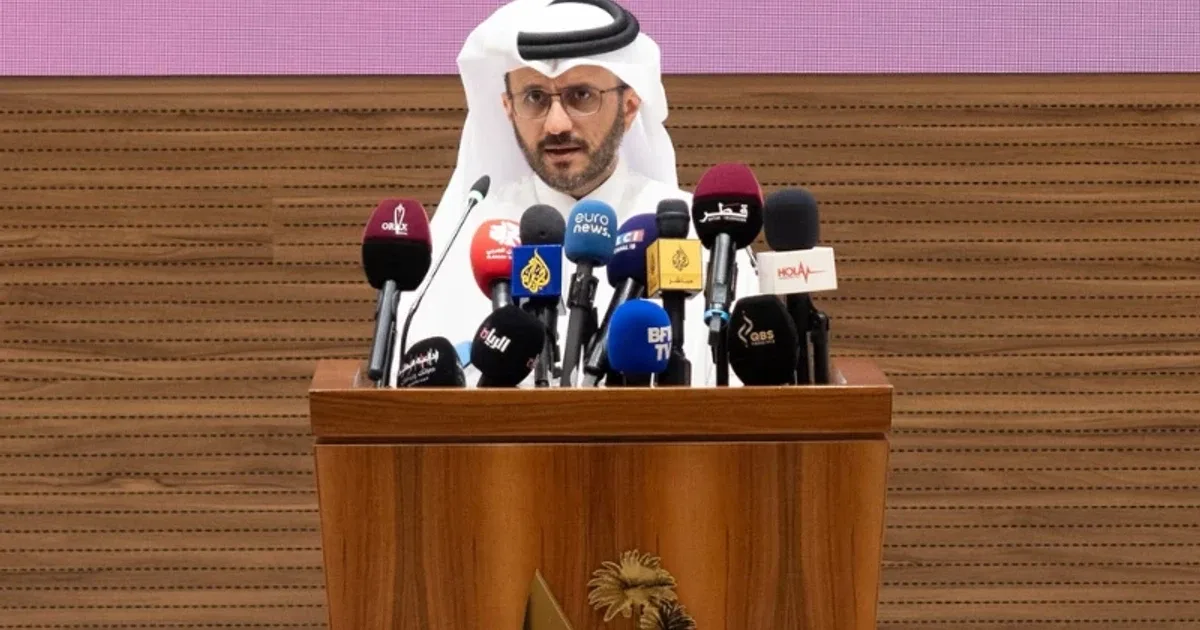
Two days of indirect talks between U.S. and Iranian officials concluded in Qatar with cautious optimism but no breakthrough agreement on shipping through the Strait of Hormuz or related sanctions. Mediated by Qatari diplomats, the discussions were confined to immediate maritime security concerns and the status of frozen Iranian assets, underscoring the limited scope of current negotiations.
The Strait of Hormuz remains a strategic choke point responsible for nearly one-fifth of global oil and liquefied natural gas shipments before conflict heightened regional tensions. The central aim of the talks was to ensure safe, uninterrupted passage through these waters and explore pathways to unfreeze Iranian funds tied to broader economic sanctions.

Despite positive remarks from Qatar about the talks’ progress, no definitive agreements emerged on nuclear restrictions, sequencing of concession measures, or regional security guarantees—elements essential for a durable peace deal. The indirect format kept American and Iranian delegates separate, with U.S. representatives Steve Witkoff and Jared Kushner meeting only through Qatari mediators, while Iran was led by Deputy Foreign Minister Kazem Gharibabadi.
This round of discussions carried forward months of tentative diplomacy conducted partly in Oman and Switzerland earlier in the year. For now, these talks reinforce a cautious ceasefire framework focused on managing immediate risks rather than building a comprehensive accord.
Market responses reflected the tentative nature of the outcome: oil prices dipped following Qatar’s statement on progress, indicating how sensitive global markets remain to any signals of stability in the Hormuz corridor.
The next session is not expected until after July 9, following the funeral of Ayatollah Ali Khamenei, as indicated by Qatar’s foreign ministry. Until then, diplomatic efforts will likely remain focused on limited confidence-building around shipping security and economic issues.