

The United States has granted a temporary 60-day license allowing the sale of Iranian crude and petrochemical products, signaling a tentative diplomatic opening even as Iran denies having agreed to new nuclear inspection terms. This move represents a significant departure from previous sanctions policies aimed at pressuring Tehran over its nuclear program.
The license, set to expire in late August, allows Iranian oil exports to resume under U.S. Treasury regulations. The decision follows diplomatic talks held in Switzerland, mediated by Qatar and Pakistan, where U.S. officials described progress in reinstating International Atomic Energy Agency (IAEA) inspectors to Iranian nuclear sites.

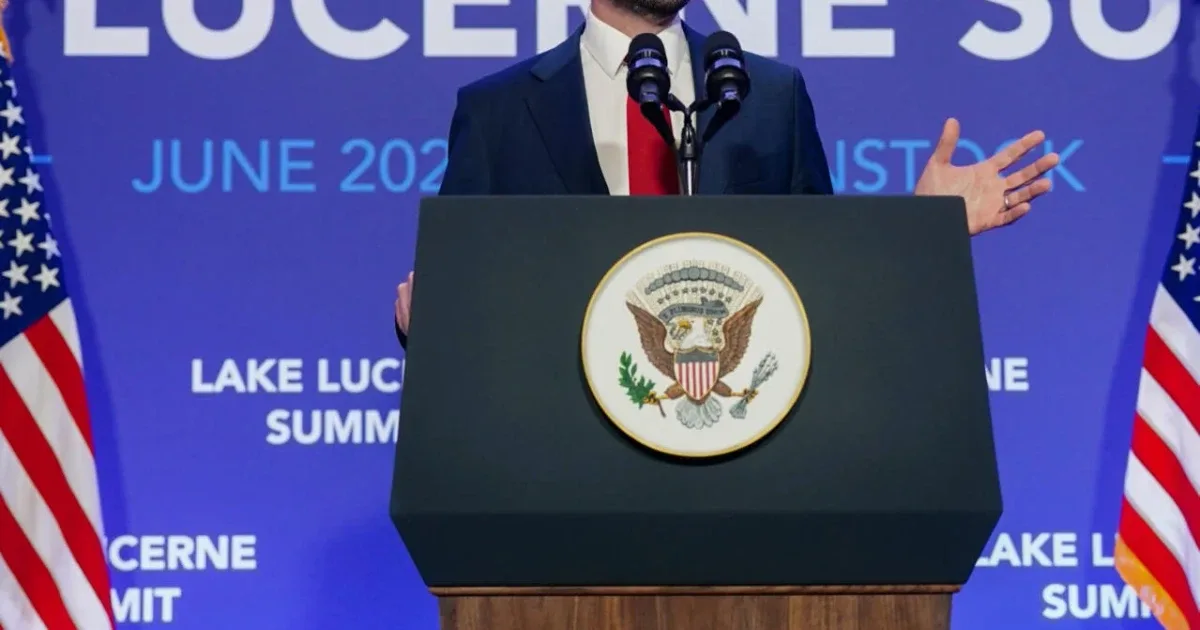
Vice President JD Vance stated that Iran had consented to let nuclear inspectors return, potentially enabling the IAEA to resume monitoring activities at sites impacted by last year’s attacks. This would mark the first comprehensive visit since Iran suspended cooperation following the regional conflict in June 2025 and later limited inspections to unaffected locations like the Bushehr facility.
However, Iranian Foreign Ministry spokesperson Esmail Baghaei rejected these claims, emphasizing that Tehran had made no new commitments regarding nuclear access. The discrepancy between the two sides highlights ongoing mistrust and conflicting narratives surrounding the diplomatic effort.
The broader context remains the disputed legacy of the 2015 Joint Comprehensive Plan of Action (JCPOA), which previously linked sanctions relief to stringent nuclear restrictions and monitoring. The U.S. withdrew from the agreement in 2018, leading to heightened uranium enrichment levels and diminished IAEA oversight. The IAEA has raised alarms over lost continuity in tracking Iran’s enriched uranium stocks, especially material enriched up to 60%, which poses a proliferation risk.
The temporary sanctions waiver may ease some pressure on Iran’s oil sector and influence global oil markets by increasing supply, but it falls short of resolving the core issue of nuclear transparency. The U.N. nuclear watchdog’s Board of Governors recently passed a U.S.-backed resolution demanding Iran declare its uranium stockpiles and allow full inspection access, a demand that Tehran has yet to satisfy.