

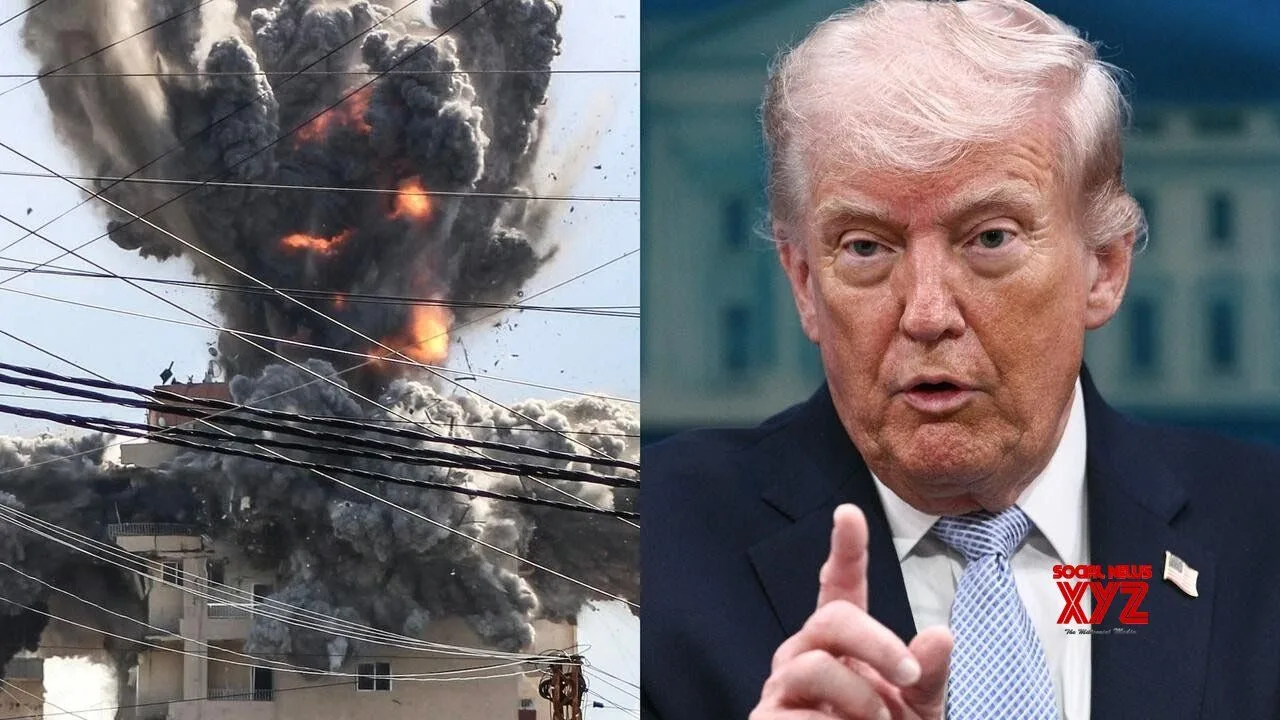
Negotiations aimed at reviving a U.S.-Iran agreement are confronting significant hurdles as military tensions escalate between Israel and Hezbollah in Lebanon. While the White House has remained largely silent on the specifics of the deal, Iran asserts that any agreement would lead to a cessation of hostilities across multiple fronts, including Lebanon.
The ongoing clashes in Lebanon reflect a broader proxy conflict impacting Middle East stability. Israel continues to engage Hezbollah forces, its Iran-backed adversary, amid fears that a U.S.-Iran pact might embolden Tehran's regional influence. This escalation challenges diplomatic efforts and raises questions about the feasibility of securing a comprehensive accord.

Iran's insistence that the deal would halt all hostilities suggests an attempt to link diplomatic progress with tangible security outcomes on the ground. Meanwhile, the United States balances its negotiation strategy with concerns about Israel’s security and maintaining alliances. The interplay of these military and diplomatic pressures underscores the complex environment surrounding the negotiations.
The resumed discussions occur against the backdrop of persistent regional volatility. Israel’s proxy conflict with Hezbollah serves as a tangible reminder of the high stakes for all parties, complicating the U.S. government’s efforts to secure diplomatic breakthroughs with Iran. Observers note that progress on the deal may hinge on managing or reducing these localized conflicts.