

Negotiations between the United States and Iran, held indirectly in Doha, marked a step forward with both sides focusing on enhancing security around the Strait of Hormuz, a vital narrow waterway critical for global oil transportation. The discussions kept maritime safety at the forefront, reflecting ongoing concerns over commercial shipping and regional stability.
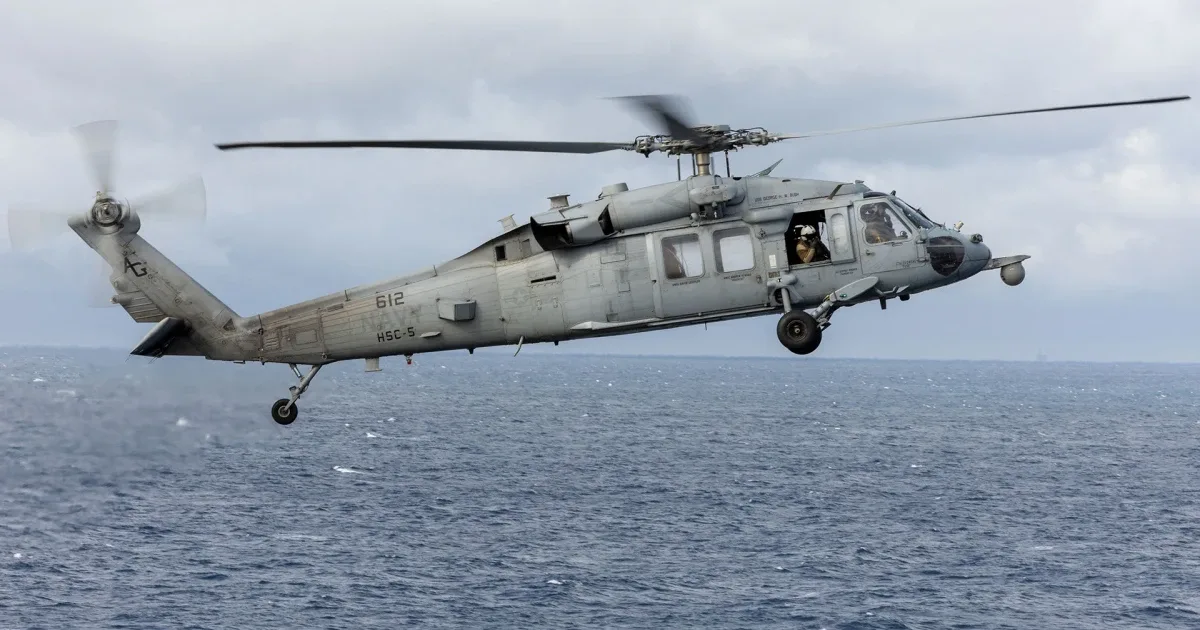
The U.S. Navy’s search for the missing MH-60S Seahawk crew added urgency to the situation. This helicopter, designed for missions including combat search and rescue and medical evacuation, poses significant challenges for recovery efforts, especially given past incidents in deep water. The continued search highlights operational complexities amid heightened diplomatic activity.

Qatar and Pakistan played crucial roles as mediators, helping bring Washington and Tehran back to the negotiating table. The two sides signed a memorandum of understanding aimed at improving security in the strait, a move welcomed by the Gulf Cooperation Council (GCC), which urged further progress toward sustainable peace and reduced hostilities in the region.
For the United States and its Gulf allies, success will be measured by tangible improvements such as fewer threats to commercial vessels crossing the strait and a decrease in military tensions. The talks seek to diminish the repeated flashpoints that require the U.S. military to maintain heightened alert in the Gulf, which in turn affects global energy markets through recurring uncertainty.
Diplomatic efforts are complemented by a proposed United Nations Security Council resolution, jointly drafted by the U.S., Bahrain, and other Gulf partners, aiming to secure freedom of navigation through the Strait of Hormuz. This underscores the close link between ongoing diplomacy and maritime security operations.
Meanwhile, Iran maintains firm stances, including restrictions on International Atomic Energy Agency (IAEA) inspection access to certain nuclear sites damaged in past U.S. strikes. This remains a sticking point and leaves the extent of nuclear monitoring unresolved. Iran’s deputy foreign minister also engaged in talks with Omani officials, reflecting persistent back-channel communications from Muscat alongside the Doha process.
The MH-60S Seahawk involved in the search is a multi-mission platform. Previous Navy recoveries of downed MH-60S helicopters, such as one from deep waters near Okinawa, have demonstrated the extreme difficulty of such operations, which factor into the broader regional security concerns present during the current diplomatic efforts.