

The recent U.S.-Iran nuclear negotiations hinge on the contentious issue of Iran’s enriched uranium stockpile and the ability of international inspectors to verify it. After military strikes on Iranian nuclear facilities in mid-2025, Iran reportedly retained over 440 kilograms of uranium enriched to 60%, a level highly sensitive but still below weapons-grade. This stockpile has become a central obstacle as diplomats work against a tight 60-day deadline to reach an agreement.
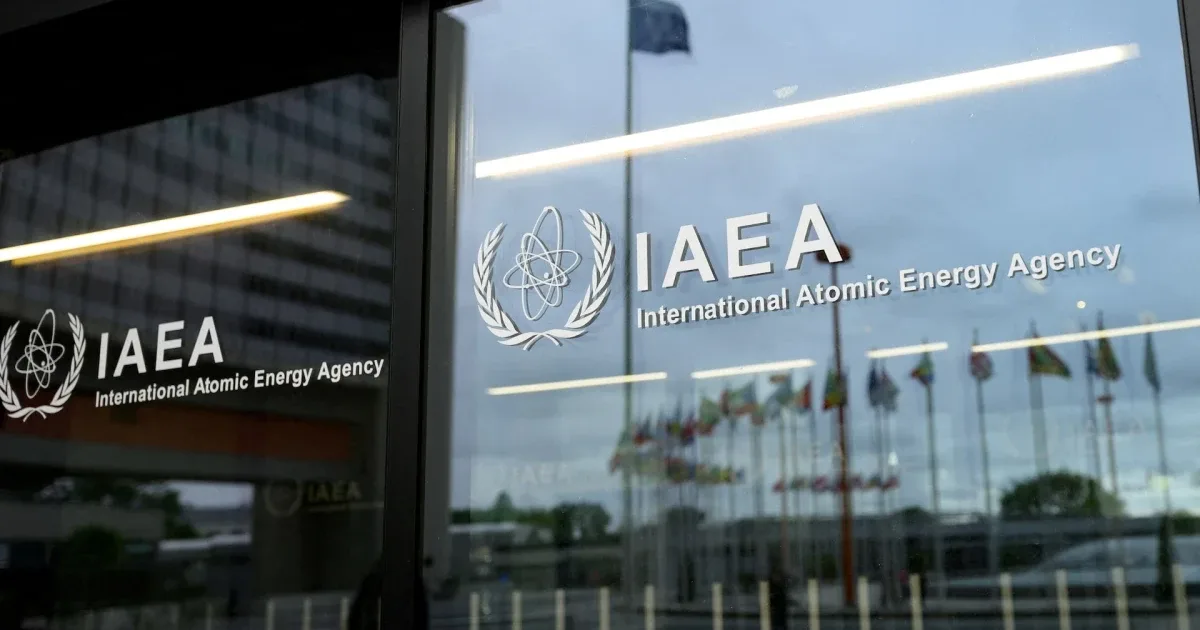
The International Atomic Energy Agency (IAEA) has pressed Iran to fully disclose all remaining uranium stocks and grant unrestricted inspection access. During the past year, the agency issued several formal reminders to Tehran about its obligation to report on affected facilities under its safeguards. The IAEA’s Board of Governors, with support from the U.S., passed a resolution urging Iran to comply with these verification demands, reflecting deep international concerns about the transparency and enforceability of any deal.

Since talks restarted in April 2025, following the collapse of the previous multilateral nuclear agreement—undermined by the U.S. withdrawal in 2018 and Iran’s subsequent violations—the focus has shifted from preventing outright conflict toward ensuring robust verification mechanisms. The recent strikes initially aimed to pressure Iran into concessions, but reactions in Tehran have added complexity, increasing suspicion and complicating inspections.
The negotiation window also covers critical issues beyond uranium verification, including the future of enrichment facilities, sanctions relief, and broader nuclear restrictions. Observers note that without clear accounting of Iran’s nuclear material and unhindered inspector access, any agreement risks failure if disputes arise again. The strategic importance of the Strait of Hormuz adds urgency, given its role in regional security and global energy supplies.
The talks thus encapsulate a broader dilemma: whether coercive measures can produce a durable deal or merely deepen mistrust. The resolution of the uranium stockpile verification, inspection rights, and enforceable limitations will ultimately define the viability of this diplomatic effort within the compressed timeline.