

Recent indirect talks between the United States and Iran have made headway on non-nuclear matters, specifically maritime traffic through the Strait of Hormuz and the release of frozen Iranian funds. However, the critical issue of Iran’s nuclear program remains unsettled, leaving the path to a comprehensive agreement unclear.
The discussions, held in Doha and mediated through intermediaries, focused on practical tradeoffs: easing financial sanctions and shipping restrictions in exchange for limitations on Iran’s nuclear activities. Although officials described the talks on maritime and financial issues as constructive, no consensus was reached regarding nuclear limits, a core sticking point for both sides.

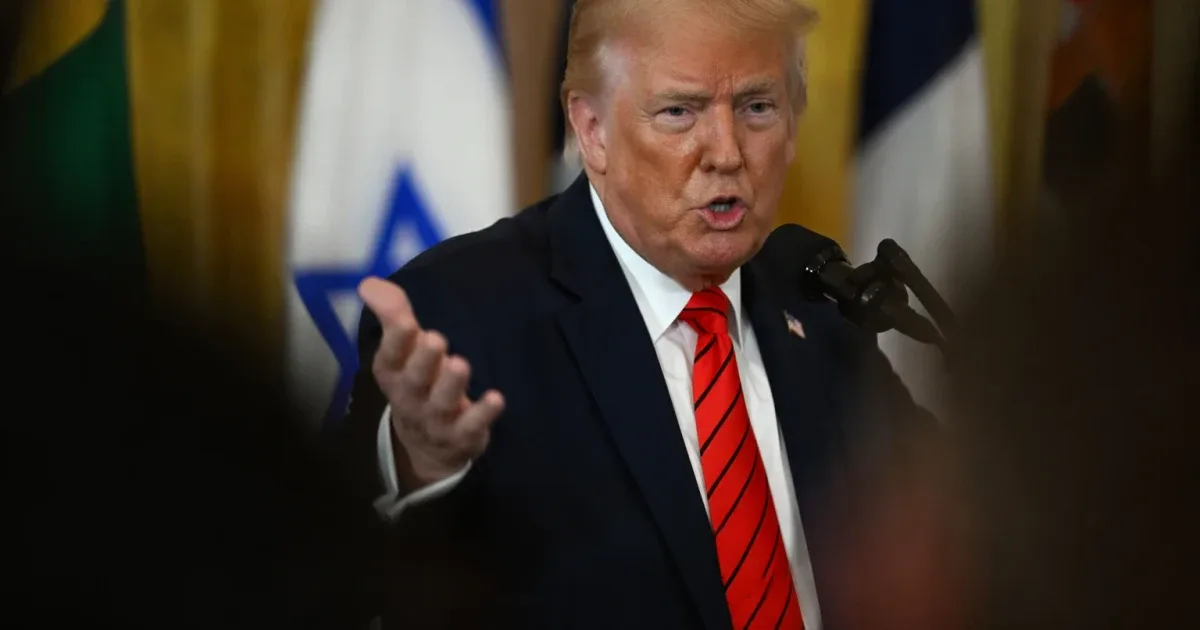
The U.S. administration highlighted progress, with the former president stating the "denuclearization of Iran is moving along well," yet internal voices expressed caution. Former national security adviser H. R. McMaster warned that premature concessions on peripheral issues could grant Iran leverage before securing verifiable nuclear restrictions. Vice President JD Vance also emphasized that nuclear matters remain unresolved.
Adding a political dimension, the negotiations coincided with key diplomatic events in the Gulf region and were punctuated by the upcoming burial of Iran’s former Supreme Leader, which delayed further meetings. U.S. figures such as Steve Witkoff and Jared Kushner were present in Doha but did not participate directly in the talks.
This approach of addressing tangible issues like maritime freedom and financial sanctions first, while leaving the sensitive nuclear framework for subsequent sessions, reflects a cautious strategy but carries risks. A strong agreement would require verifiable limits on enrichment and enhanced regional security measures, coupled with sanctions relief and fund access. Conversely, a weaker deal could ease pressures on Iran prematurely without guaranteeing nuclear constraints, undermining long-term stability.