

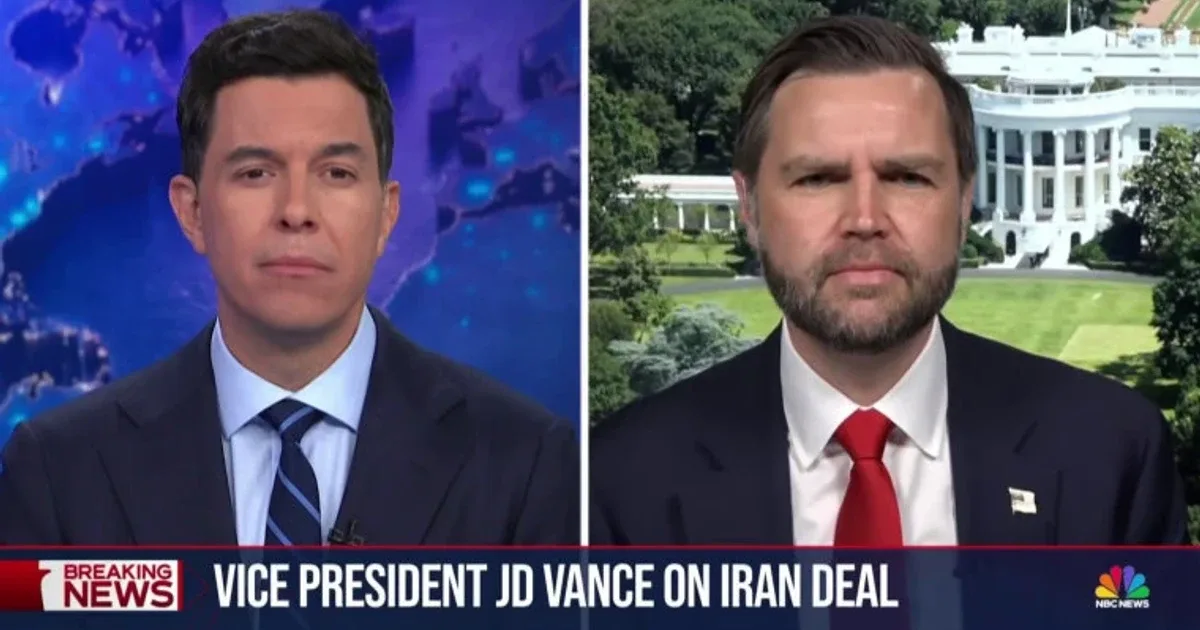
A senior U.S. official has confirmed that nuclear inspectors will resume monitoring Iran’s nuclear program as part of an emerging deal framework. However, crucial elements of the agreement, including the handling of Iran’s highly enriched uranium and the future scope of its nuclear activities, remain unresolved and confidential ahead of a scheduled memorandum release.
The non-binding memorandum of understanding, reportedly signed in principle and to be formally unveiled in Geneva, initiates a 60-day period for further negotiations on the agreement’s operational details. While the framework aims to revive inspections and impose compliance mechanisms, important enforcement provisions are still being finalized, raising questions about how effectively Iran’s nuclear activities can be verified.

Verification through inspections is the cornerstone of assessing the deal’s credibility. Observers stress that timely and unrestricted access for inspectors is vital, especially given the sensitivity surrounding Iran’s stockpile of highly enriched uranium—material that significantly influences how rapidly Iran could advance toward weapons capability if left unchecked.
The agreement reportedly includes plans to reopen the Strait of Hormuz without tolls and to condition sanctions relief on Iran’s adherence to the deal. This link further heightens the stakes for verification, as independent confirmation of compliance will determine the legitimacy of sanctions relief and Iran’s nuclear limitations.
Despite assurances from officials, the delay in releasing the memorandum’s full text has drawn scrutiny from lawmakers, regional governments, and arms-control experts, all concerned about the transparency and enforceability of the emerging deal. Authorities acknowledge that numerous critical details remain under negotiation, underscoring that the current framework is an initial step rather than a concluded treaty.